Nearly Fifty Years Later: The Enduring Legacy of Meritorious Artist Thanh Nga and Memories Shared by Her Peers

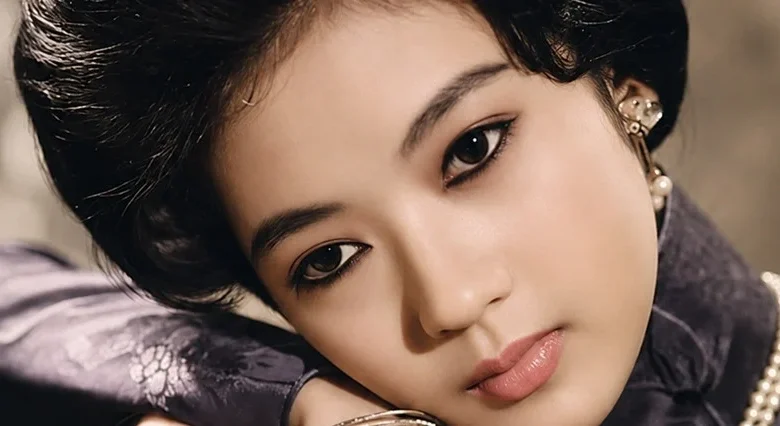
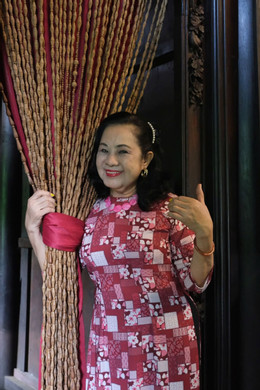
Nearly half a century has passed since the tragic assassination of Meritorious Artist Thanh Nga, yet her legendary status, unparalleled artistry, and profound influence on Vietnamese cai luong (reformed theater) remain deeply etched in the collective memory of the public and her contemporaries. Long-time colleagues and fellow icons of the stage, including Xuân Lan, Bạch Lê, and Mộng Tuyền, continue to cherish deeply personal memories of a woman who was not only a towering theatrical luminary but also a devoted sister, mentor, and steadfast friend.
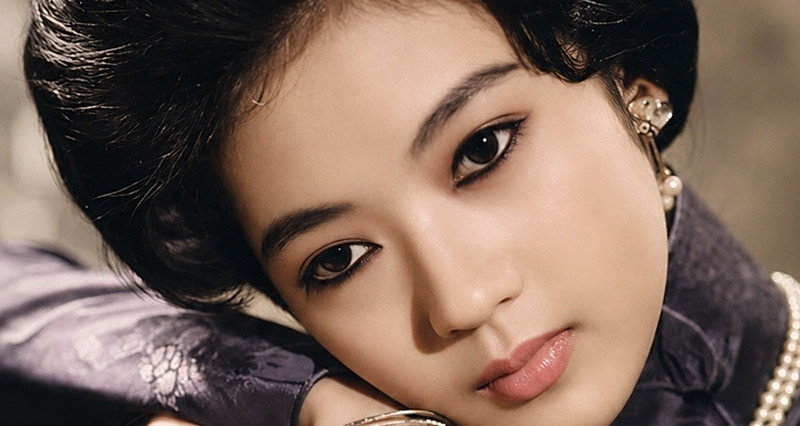
The tragic events of late November 1978 altered the landscape of Vietnamese performing arts forever. To this day, Thanh Nga’s name evokes both reverence for her immense contributions and heartbreak over a life cut short at the height of her creative powers. Through reflections shared by those who stood beside her in the wings and under the blinding stage lights, the portrait of a resilient, elegant, and deeply compassionate artist comes alive once more, bridging a generational divide in the rich history of southern Vietnamese theater.
A Tragic Loss That Shook the Theatrical World
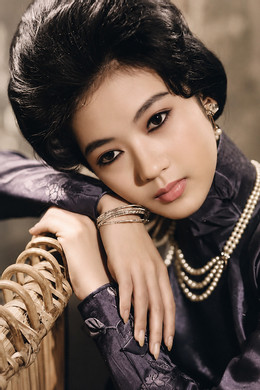
On November 26, 1978, the Vietnamese cultural community suffered an irreparable blow. Meritorious Artist Thanh Nga and her husband, Mr. Phạm Duy Lân, were gunned down outside their home while attempting to shield their six-year-old son, Phạm Duy Hà Linh, from assailants. The senseless tragedy stunned the nation, plunging the cai luong community and millions of devoted fans into profound mourning.
Thanh Nga was not merely a celebrity; she was the reigning queen of the southern stage, celebrated for her breathtaking beauty, impeccable vocal control, and a dramatic range that could effortlessly encompass both classical historical heroines and complex modern figures. Her sudden passing marked the end of a golden era for the Thanh Minh – Thanh Nga theatrical troupe, an institution that had long served as a cradle for theatrical excellence. For the actors and actresses who shared the stage with her, the grief was compounded by a sense of profound vulnerability. Yet, in the wake of the tragedy, her peers rallied together, vowing to preserve her artistic standards and honor her memory through unwavering dedication to the craft she loved.
Xuân Lan Remembers a Mentor and Sister
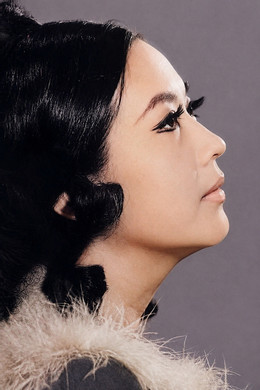
Decades after the fateful night, artist Xuân Lan preserves a meticulous archive of photographs, newspaper clippings, and historical records, including the front-page issue from December 1, 1978, documenting Thanh Nga’s final resting place at the Ho Chi Minh City Artist Cemetery. As a member of the Thanh Minh troupe, Xuân Lan was taken under Thanh Nga’s wing, treated much like a younger sister. Thanh Nga routinely offered guidance on both professional development and personal matters.
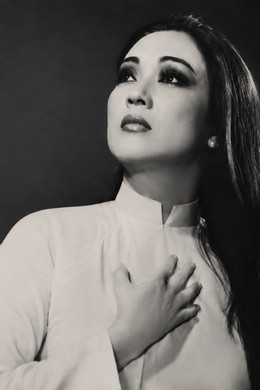
Among Xuân Lan’s most treasured possessions is a traditional conical hat purchased and inscribed by Thanh Nga with the encouraging words, "Xuân Lan goes to the sun." This simple gift remains a poignant reminder of the elder artist’s thoughtfulness. Xuân Lan vividly recalls the tense and emotionally charged days following the assassination, noting how legendary artist Kim Cương wept openly, comparing Thanh Nga’s martyrdom to that of a brave soldier on the frontline—an act of ultimate sacrifice that inadvertently galvanized the artistic community.
During the enshcoffing ritual, as Mai—Thanh Nga’s younger sister—gently combed the hair of the fallen icon, Xuân Lan was struck by the realization that no one would ever again tend to her dear mentor’s hair with such tenderness. Standing before the casket, Xuân Lan made a solemn vow to perform with the same fiery dedication and emotional authenticity that defined Thanh Nga’s career. Despite receiving anonymous threats in the weeks leading up to her death, Thanh Nga had consistently shielded those around her from anxiety, masking her own fears—particularly concerning her hypertension—behind a radiant smile and comforting anecdotes. For Xuân Lan, her passing remains not only the loss of a revered national treasure but also the agonizing absence of a trusted confidante, role model, and pillar of artistic integrity.
Bạch Lê Recalls the Humility and Grace of a Legend
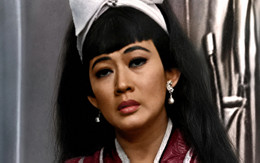
Operating from France, Meritorious Artist Bạch Lê shared her extensive recollections of working within the legendary Thanh Minh – Thanh Nga framework. Before 1975, Bạch Lê and Thanh Nga frequently shared the stage under the auspices of the Phượng Hạo Cai Luong troupe, managed by artist Bảy Phòng Hả. Following the reunification of Vietnam in April 1975, theatrical troupes gradually resumed operations in Ho Chi Minh City. Because the Minh Tần troupe was slow to re-establish its schedule, Thanh Nga personally visited Bạch Lê’s home to invite her to collaborate with Thanh Minh.
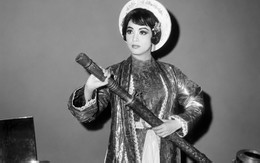
Within the troupe, Bạch Lê was entrusted with prominent roles, including Trung Nhếu in Tiếng trống Mê Linh (The Drums of Mê Linh), Princess Bạch Vân in Bên cầu dệt lụa (By the Silk-Weaving Bridge), and Thu Sương in Hoa Mộc Lan (Hua Mulan). Reflecting on a production of Bao Công tra án Trấn Thám Mối, Bạch Lê recalled how Thanh Nga unhesitatingly stepped aside to let her junior colleague take on the coveted lead role of Tấn Hướng Liên. What left a lasting impression on Bạch Lê was Thanh Nga’s complete lack of ego; her primary focus was always the collective success of the production and the professional growth of her peers.
One particularly memorable incident occurred during a performance of Hoa Mộc Lan. According to the original blocking, actor Hoàng Long, portraying a military officer, was scheduled to perform a musical introduction behind the curtain before exiting to allow the narrative to progress. However, due to a sudden guitar string breakage on the night of the show, Hoàng Long opted to speak his farewell lines rather than sing them before exiting. When the curtain rose, Thanh Nga—portraying Thu Sương—found herself stranded alone on stage, visibly startled. Despite frantic hand signals from offstage director Phạm Duy Lân, the veteran actress managed to navigate the sudden vacuum with professional poise.
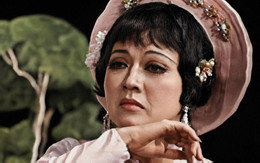
When Bạch Lê later apologized for the disruption caused by the instrumental failure, Thanh Nga merely laughed it off, remarking with characteristic humor, "She’s angry with me now!" For Bạch Lê, outside of professional triumphs, Thanh Nga’s deep personal empathy during moments of romantic and personal turmoil provided a vital anchor, leaving an indelible mark on her life and career.
Mộng Tuyền: The "Traditional Beauty" and Eternal Sisterhood
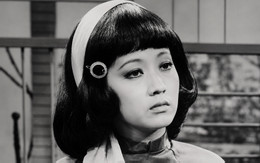
Meritorious Artist Mộng Tuyền, four years Thanh Nga’s junior, remains one of the closest confidantes from the golden era of the Thanh Minh – Thanh Nga troupe. Mộng Tuyền recalled Thanh Nga’s captivating stage presence—her radiant smile accented by two charming dimples, which often prompted affectionate jokes from colleagues comparing her to the legendary Chinese beauty Xi Shi. Offstage, Thanh Nga was playful, gentle, and remarkably lighthearted, though moments of quiet reflection would occasionally cast a fleeting shadow across her expressive eyes.
Despite being born into theatrical royalty as the daughter of troupe managers, Thanh Nga remained remarkably grounded, dutifully respecting her mother’s artistic direction while navigating a personal life often marked by turbulence. Her relationship with Phạm Duy Lân blossomed amid international tours to Laos, Japan, and France between the late 1960s and early 1970s. Despite weathering severe public scrutiny and financial instability, the couple built a resilient partnership. Mộng Tuyền noted that even at the height of her fame, Thanh Nga’s earnings were modest, yet she and her husband found profound happiness in mutual support.
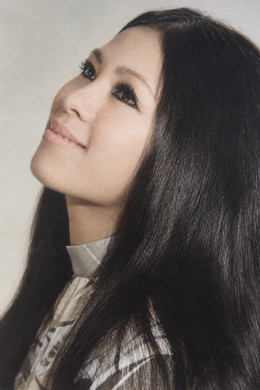
Following the events of 1975, Mộng Tuyền traveled extensively with provincial troupes, yet every return to Saigon included a mandatory visit to Thanh Nga and film star Thẩm Thúy Hằng. During one late-night gathering alongside Ba Thanh Loan—the matriarch who had guided Thanh Nga’s early years—Thanh Nga expressed a quiet, haunting premonition: "I worry about the day I must bury Mr. Lân! He is so much older than me… I only hope that we might depart this world together."
When news of the tragedy reached Mộng Tuyền in Long Xuyên, she rushed back to Saigon to find the municipal hospital morgue overflowing with grieving spectators. Upon seeing Thanh Nga dressed in a white ao dai, her face serene as if asleep, Mộng Tuyền collapsed from overwhelming grief. By 1980, Mộng Tuyền returned to the Thanh Nga troupe, stepping into iconic roles previously anchored by her mentor, including Quỳnh Nga, Trưng Trắc, and Thái hậu Dương Vân Nga. Adorning her dressing table with fresh flowers and photographs of Thanh Nga, Mộng Tuyền channeled her mentor’s artistic legacy, eventually earning a Gold Medal at the National Theater Festival in Hải Phòng for her performance in Bóng tối và ánh sáng (Darkness and Light).
Historical Legacy and Cultural Impact
The enduring reverence for Meritorious Artist Thanh Nga underscores the unique role that cai luong played in the cultural fabric of southern Vietnam during the 20th century. Beyond her technical mastery of traditional singing and dramatic interpretation, Thanh Nga represented a standard of artistic dedication that transcended entertainment. Her ability to embody complex historical figures with modern psychological depth elevated reformed theater from popular diversion to high art.
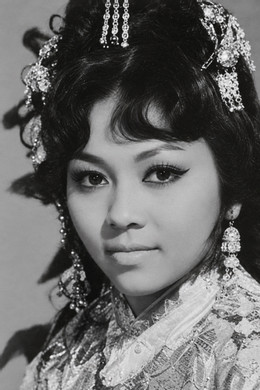
Nearly five decades after her passing, the preservation of her memory by artists such as Xuân Lan, Bạch Lê, and Mộng Tuyền serves as a vital bridge for contemporary audiences. Institutional archives, digital restorations of her classic performances, and annual commemorative gatherings ensure that younger generations of artists understand the sacrifices and standards established by pioneers like Thanh Nga. As Vietnamese performing arts continue to evolve in a modern media landscape, the artistic ethos championed by Thanh Nga—characterized by selflessness, rigorous discipline, and an absolute devotion to the public—remains an enduring benchmark of professional excellence.