Long Châu Maintains Rapid Expansion as Pharmaceutical Retail Dominates Vietnam Healthcare Landscape

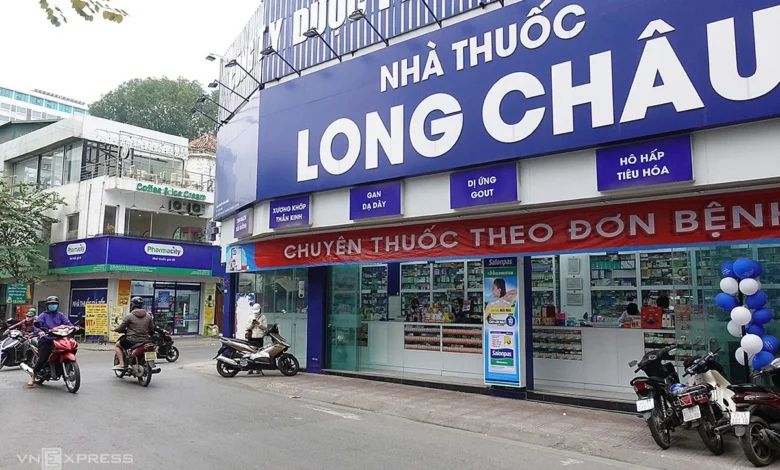
The Vietnamese pharmaceutical retail sector is undergoing a profound transformation, characterized by the aggressive scaling of organized chains that are steadily displacing traditional, independent pharmacies. Central to this shift is FPT Retail’s subsidiary, Long Châu, which has solidified its position as one of the largest and most influential pharmacy networks in the country. By the conclusion of June 2026, the chain reached a significant operational milestone, boasting 2,639 pharmacies—an increase of 448 locations compared to the same period in the previous year. When accounting for an additional 236 vaccination centers, the total footprint of the Long Châu ecosystem has reached 2,875 points of service, signaling a robust and sustained growth trajectory.
A Strategic Expansion Model
According to a comprehensive update released by VNDIRECT on September 18, 2026, the reach of the Long Châu brand has achieved a level of market penetration that captures approximately one-third of the Vietnamese population. This level of coverage serves as a significant competitive moat, creating substantial barriers to entry for rival pharmacy chains. While competitors often struggle with the time-intensive process of logistics integration, supply chain management, and data infrastructure, Long Châu has leveraged its parent company’s technological pedigree to streamline operations.
The current strategy relies on a multi-pronged approach: prioritizing high-traffic urban locations, establishing a dense network in smaller municipalities, and integrating advanced data analytics to refine inventory management. Even with more than 2,600 locations already operational, market analysts at VNDIRECT suggest that the company retains significant runway for further expansion. Projections indicate that the chain is poised to open approximately 400 additional pharmacies by the end of 2026, bringing the total count to roughly 2,800 units, with a long-term goal of reaching 3,700 pharmacies by the end of 2030.
The Macroeconomic Context of Retail Pharmacy
Despite the rapid proliferation of branded pharmacy chains, the total market remains highly fragmented. The current count of organized pharmacy points still represents less than 10% of the total number of pharmacies nationwide. The majority of the market is comprised of small, independent operators, which underscores the immense growth potential remaining for organized retail models. In recent years, while several chains have expanded, they have struggled with the inherent risks of rapid site selection.
The most desirable locations in major cities are typically prioritized for early entry. As the network density increases, new locations must necessarily penetrate deeper into areas with lower purchasing power or higher competition from incumbent independent retailers. However, Long Châu’s operational data suggests that this expansion has not resulted in the "cannibalization" of existing stores. Instead, the company has managed to maintain stable revenue metrics, suggesting that the demand for professionalized pharmaceutical services is rising in tandem with the physical store count.
Financial Performance and Revenue Projections
The financial health of individual outlets remains a primary indicator of the chain’s viability. As of the end of June 2026, the average monthly revenue per pharmacy reached approximately VND 1.3 billion, a marked improvement from the VND 1.1 billion reported during the same period in 2025. This growth is attributed to improved supply chain efficiencies and a better product mix that aligns with local consumer demand.
Analysts at VNDIRECT maintain this VND 1.3 billion revenue-per-store benchmark in their 2026 financial models. The report forecasts that the pharmaceutical retail division of Long Châu will generate approximately VND 41,533 billion in revenue for the 2026 fiscal year, representing a 27.1% year-on-year increase. This figure accounts for approximately 65.5% of the total projected revenue for FPT Retail, illustrating that the pharmacy business has evolved from a nascent venture into the core engine of the parent company’s growth.
Technological Integration: Data-Driven Healthcare
The shift in Long Châu’s growth narrative is no longer solely dependent on the number of new storefronts opened each year. Instead, the company is pivoting toward leveraging big data and Artificial Intelligence (AI) to optimize operational efficiency, curate product portfolios, and personalize the customer experience. This technological shift is critical given the geographical diversity of the Vietnamese market, where health needs and consumer behaviors vary significantly between urban centers and rural provinces.
For instance, a pharmacy located in the heart of Ho Chi Minh City may require a vastly different inventory profile—focusing on chronic disease management and lifestyle supplements—compared to a location in a secondary city or a rural district. With a network now spanning thousands of locations, the central data repository allows Long Châu to tailor its inventory at a micro-level rather than applying a standardized, one-size-fits-all model across the entire system. By utilizing predictive analytics, the company can forecast demand surges, reduce stock-outs for essential medications, and optimize the shelf-space allocation for high-margin health products.
Beyond the Pharmacy Counter: An Evolving Ecosystem
A defining trend in the current expansion phase is the transformation of the pharmacy from a simple dispensary into a comprehensive healthcare touchpoint. This is evidenced by the integration of 236 vaccination centers, which serve as a foundational element of a broader healthcare ecosystem. By partnering with international pharmaceutical manufacturers, Long Châu is consistently introducing new specialty drugs and hard-to-access health products into its distribution network.
This strategy is referred to by analysts as the construction of an "integrated healthcare ecosystem." In this model, while the pharmacy remains the primary point of contact for the consumer, it is increasingly supplemented by secondary services that enhance the value proposition for the patient. While these newer services have yet to contribute a significant portion to the overall top-line revenue when compared to traditional medicine sales, they serve as a critical differentiator in a crowded retail landscape.
Implications for the Future of Retail Medicine
The sustained growth of the Long Châu chain serves as a case study for the modernization of Vietnam’s healthcare retail sector. The transition from informal, unorganized, and often unregulated small-scale drug stores to large, data-backed, and professionalized chains brings several structural changes to the industry:
- Supply Chain Standardization: Large chains force the formalization of supply chains, ensuring that pharmaceutical storage, transport, and dispensing meet higher safety standards.
- Pricing Transparency: The scale of these operations often leads to more competitive and transparent pricing for consumers, as chains leverage their bulk-buying power.
- Professionalization of Staff: The shift toward branded chains creates a higher demand for qualified pharmacists who are trained in clinical interaction and patient counseling, rather than just transaction processing.
- Regulatory Alignment: As the market becomes dominated by a few major players, it becomes easier for regulatory bodies to monitor compliance with safety and licensing requirements.
As the industry moves toward 2030, the success of the Long Châu model will likely serve as a catalyst for further consolidation. While the presence of thousands of independent pharmacies remains a hurdle, the increasing consumer preference for the convenience, reliability, and technology-enabled service of major chains suggests that the landscape of Vietnamese healthcare retail will continue to shift in favor of organized, large-scale operators. For investors and industry observers, the focus will now shift from the pace of site expansion to the efficacy of the ecosystem approach and the ability of these chains to maintain high revenue density as they reach deeper into the national geography.
Related posts: