When AI Singers Compete with Real Music Stars: A New Frontier in the South Korean Music Industry


The emergence of artificial intelligence (AI) as a legitimate contender in the South Korean music charts has ignited a profound debate regarding the future of artistry, copyright law, and the structural integrity of the global music industry. The recent success of AI-generated tracks on major platforms like Melon has shifted the conversation from speculative technology to a tangible disruption of traditional music production.
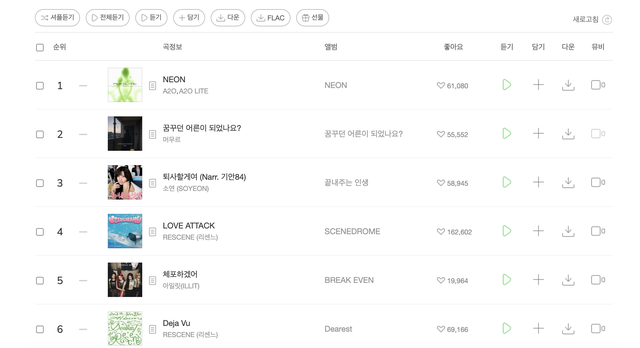
In late October 2026, the track Have You Become the Adult You Dreamed Of, produced by the project group Meomuru, reached the number two spot on the Melon Top 100—South Korea’s premier music streaming chart. This feat is particularly striking because, despite the polished, emotive vocals and sophisticated production, there is no human singer behind the microphone. The track’s success forces a critical inquiry: can AI vocalists genuinely threaten the cultural and economic dominance of human superstars?
A Chronology of AI’s Chart Infiltration
The rise of AI-generated music in South Korea has not been an overnight occurrence but rather a steady progression of technological integration.
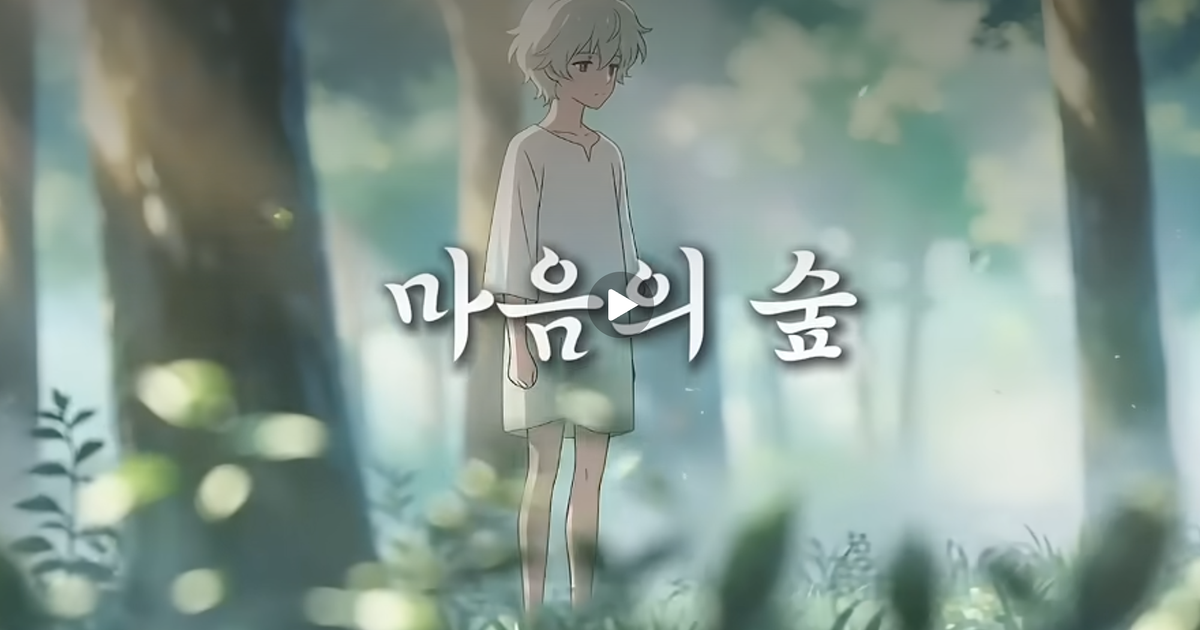
In June 2026, the industry witnessed the first significant breakthrough when the track Forest of the Heart, produced under the Joseon Hip-hop project, successfully entered the Melon Top 100 at the 89th position. While a modest debut, the song’s rapid dissemination across short-form video platforms served as a proof of concept, moving AI music from experimental technical novelty to a commercial commodity.
By October 14, 2026, the Korea Herald reported that the track had ascended to the third position on the Melon Top 100. The viral success of the song on social media platforms bypassed traditional radio and television, proving that AI-generated content could resonate with the public without the conventional marketing infrastructure that usually underpins K-pop success.
The momentum continued with the Meomuru project. Behind this endeavor are music producers Lee Yong Seok and Choi Sung Hyuk, industry veterans with over a decade of experience collaborating with established South Korean artists. Utilizing the AI platform Suno, the duo crafted the melody and vocal characteristics, then meticulously edited, arranged, and mastered the final output. This collaborative model—human producers directing AI tools—highlights a shift in production methodology where the AI acts as a sophisticated instrument rather than an autonomous creator.
Data and Market Impact
The impact of these tracks is measurable through consumer engagement metrics. According to music critic Lim Hee Yun, writing for The Korea Daily on October 16, 2026, the Meomuru track reached the fourth position on the daily chart and the 12th on the weekly Melon chart, bolstered by over 32,000 "likes."
These figures suggest that the emotional resonance of the track is not hindered by the artificial nature of the voice. The lyrics address the universal anxieties of adulthood, the pressures of modern life, and existential doubts—themes that allow listeners to project their own experiences onto the song, regardless of whether a human stood in a recording booth.
In contrast, the market also saw the rise of virtual idols like PLAVE. It is vital to distinguish between AI-generated singers and virtual idols. PLAVE, which recently debuted its fifth EP, Hyperdrive, at number 31 on the Billboard 200, operates under a different paradigm. While the members appear as digital, motion-captured avatars, the actual singing and performance are driven by human performers. This distinction is crucial for understanding the market’s current segmentation: one category utilizes technology to replace human input, while the other utilizes technology to enhance human expression.
Legal and Ethical Conundrums
The rapid advancement of AI music has immediately collided with the existing legal framework. The central question remains: who is the author of a song composed by an algorithm, directed by human prompts, and sung by a synthetic voice?
Current South Korean law, as noted by the Korea Herald, recognizes copyright only for human creative contributions. Content generated entirely by AI is generally ineligible for copyright protection. In August 2026, the Korea Music Copyright Association (KOMCA) attempted to establish criteria for registering copyright for works that utilize AI, provided that a human maintained "creative leadership." However, this regulation was retracted after only 22 days following intense public outcry and confusion regarding the threshold of "human contribution."
The legal ambiguity extends to the training data used by AI models. Many of these models are trained on the vocal signatures, recordings, and compositions of existing artists without explicit consent or compensation. This "theft" of artistic identity has forced tech companies and the music industry into a defensive posture, with several high-profile disputes currently being litigated in international courts.
For producers like those behind Forest of the Heart, the lack of copyright protection means they cannot claim authorship royalties in the traditional sense; instead, they are only eligible for "neighboring rights" as record producers. This creates a significant financial imbalance that threatens the livelihoods of traditional songwriters and performers, who rely on a system that is currently being bypassed by AI-driven, lower-cost production models.
Industry Reactions and Expert Analysis
The reaction from the broader music industry has been a mix of caution and strategic experimentation. Some producers, initially skeptical, have begun incorporating AI tools into their workflows to handle tedious tasks or to iterate on melody ideas quickly. Lim Hee Yun notes that several prominent Korean composers have started using AI to generate demos, effectively using the technology to bridge the gap between initial conception and final production.
However, the consensus among industry leaders remains that technology cannot yet replicate the "x-factor" of human performance—the nuance of lived experience, the ability to interact with fans in real-time, and the authenticity of a stage presence. The connection between an artist and their audience is built on a narrative, and as of now, AI struggles to sustain a coherent, multi-year narrative that feels authentic to the listener.
The Future of Artistry
The emergence of AI singers like those in the Meomuru project signifies a turning point in the cultural landscape. The lines between a technological product and an artistic creation are blurring, forcing stakeholders to rethink the value of human labor in the creative arts.
The success of these AI tracks is not merely a technological milestone but a reflection of changing consumption patterns. When consumers prioritize the "vibe" or the emotional utility of a song over the identity of the performer, the market becomes highly susceptible to AI disruption.
As we look ahead, the challenge for the South Korean music industry—and by extension, the global industry—is to establish a balanced ecosystem. This involves creating new regulatory frameworks that protect the rights of human artists while acknowledging the creative potential of AI. Whether this results in a collaborative future or a market flooded with synthetic content remains to be seen. What is clear, however, is that the era of AI in the music charts is no longer a distant possibility; it is a present reality, and the traditional pillars of the music industry are currently being reshaped by the very tools intended to serve them.
The trajectory of this movement suggests that while technology will continue to advance, the core human desire for stories, personal connection, and shared experience remains the primary currency of the music industry. The ultimate challenge will be to ensure that in the pursuit of efficiency and innovation, the human essence of music is not lost in the digital noise.