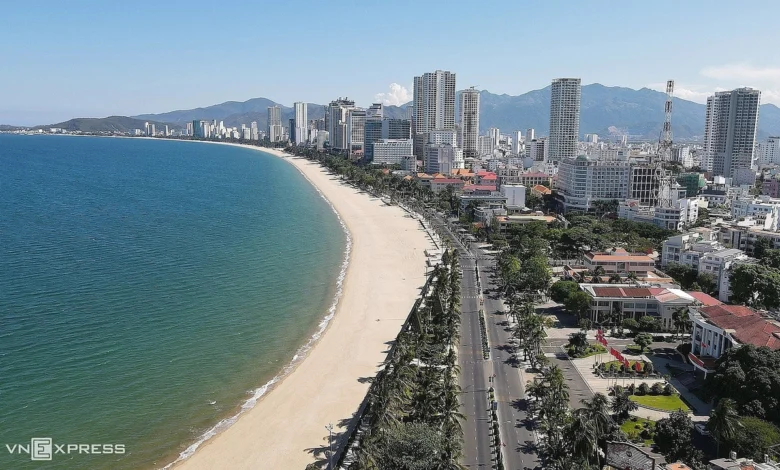
The People’s Committee of Khanh Hoa Province has officially ratified a comprehensive land-use right auction plan for the year 2026, marking a significant step in the province’s strategy to leverage its natural resources for sustainable economic growth. This ambitious roadmap includes the auctioning of 11 major project-based land areas and five residential zones, encompassing a total surface area of more than 211 hectares. These sites are strategically located across high-potential regions, including the provincial capital of Nha Trang, the scenic coastal area of Dai Lanh, and neighboring hubs such as Ninh Chu and Phan Rang – Thap Cham. The initiative is designed to catalyze the development of high-end resorts, modern urban complexes, traditional yet modernized beach villages, and specialized high-tech aquaculture zones.
Strategic Overview of the 2026 Land Auction Plan
The 2026 auction plan represents a pivotal component of Khanh Hoa’s broader socio-economic development goals. According to the provincial administration, the primary objective is to maximize the efficiency of the state’s land fund, thereby generating substantial revenue for the provincial budget. These funds are earmarked for critical public investment projects, infrastructure upgrades, and social welfare programs.
The Land Fund Development Center has been entrusted with the responsibility of preparing the necessary documentation, formulating specific auction methods for each plot, and ensuring that the entire process adheres to the strictest legal and transparency standards. By moving toward open auctions rather than direct land allocation, the province aims to ensure that land is awarded to investors with the strongest financial capacity and the most viable development visions.
The 2026 list is diverse, reflecting a shift toward multi-sectoral growth. While tourism remains the cornerstone, the inclusion of land for high-tech aquaculture and commercial centers suggests a desire to diversify the local economy. The plan also addresses the growing demand for housing and urban services as Khanh Hoa continues its trajectory toward becoming a centrally-run city by 2030.
Key Projects and Geographical Focus
Among the 11 major project sites, the Ho Na Resort and Housing project in Dai Lanh Commune stands out as the most significant in terms of scale. Covering more than 144 hectares, this project is a "transition" initiative carried over from the 2025 plan. Dai Lanh, known for its pristine beaches and strategic location between Khanh Hoa and Phu Yen provinces, is viewed as a future hotspot for eco-tourism and luxury residential development. The Ho Na project is expected to transform the local landscape, integrating high-end hospitality with sustainable residential infrastructure.
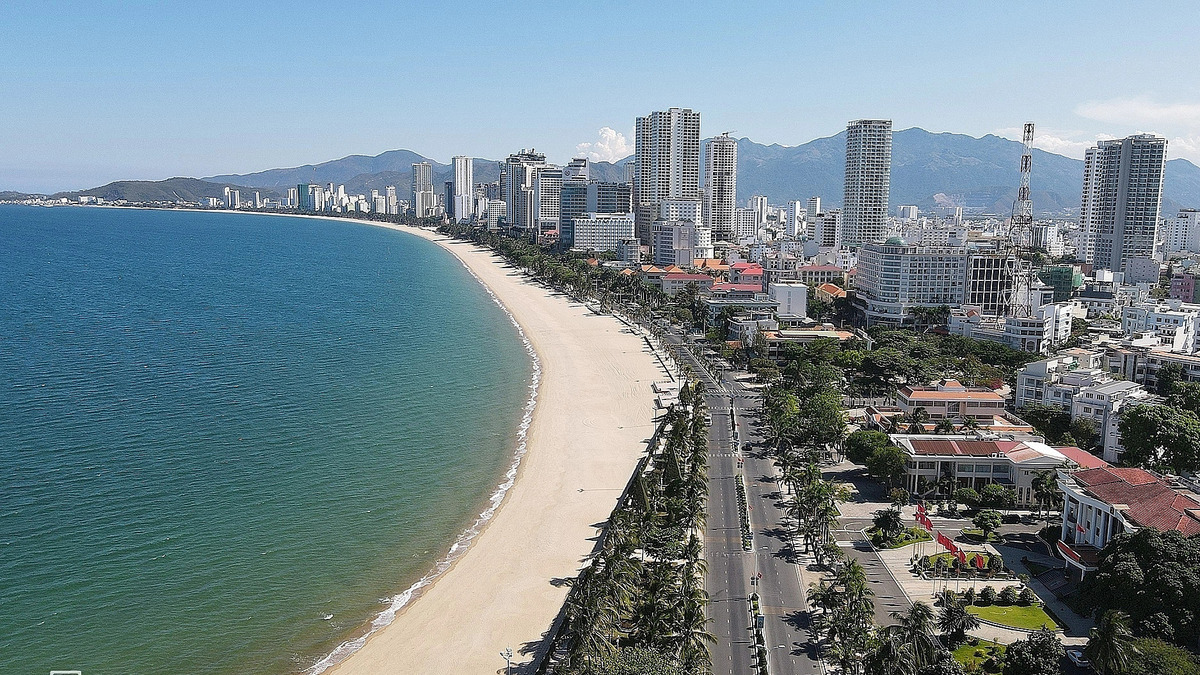
In Nha Trang, the provincial government is focusing on the "Nha Trang Beach Village" project. Spanning approximately 3 hectares in the heart of the city’s coastal ward, this project aims to preserve the cultural essence of coastal living while providing modern amenities for tourists and residents. Nha Trang remains one of Vietnam’s premier tourism destinations, and the auctioning of such prime coastal real estate is expected to draw intense competition from major hospitality developers.
Furthermore, the auction plan extends into the Ninh Chu and Phan Rang – Thap Cham areas, highlighting a regional approach to development. Notable plots include:
- The Khanh Hai New Urban Area in Ninh Chu, covering 2.2 hectares.
- The Thap Cham Commercial Center in Do Vinh Ward, spanning 1.1 hectares.
- A 1.6-hectare plot adjacent to the former Ninh Thuan Provincial Guest House.
These inclusions suggest a coordinated effort to boost the urban and commercial profile of the South Central Coast corridor, fostering a seamless link between the tourism hubs of Khanh Hoa and the emerging markets of Ninh Thuan.
Fiscal Performance and the Role of Land Revenue
The decision to accelerate land auctions is underpinned by the province’s current fiscal performance. As of mid-July, Khanh Hoa has reported total budget revenue exceeding 26,800 billion VND. This figure represents approximately 63% of the annual estimate, indicating a robust recovery in economic activity.
A closer analysis of the revenue streams reveals the critical importance of the real estate sector. Revenue derived directly from land-use rights and land-related taxes accounted for 14,883 billion VND, or roughly 55% of the total provincial revenue. This heavy reliance on land-based income necessitates a steady and transparent pipeline of land auctions to maintain fiscal stability and fund the province’s ambitious infrastructure projects, such as the Van Phong Economic Zone developments and the expansion of the regional transport network.
By planning as far ahead as 2026, the provincial government is providing a clear signal to the market, allowing domestic and international investors to align their capital expenditure plans with the province’s development schedule. This long-term visibility is essential for attracting large-scale "eagle" investors who require significant lead times for feasibility studies and financing.
Institutional Framework and Implementation
To ensure the success of the 2026 plan, the Khanh Hoa People’s Committee has mandated a rigorous implementation process. The Land Fund Development Center is tasked with:
- Legal Clearance: Ensuring all auction plots are "clean" land, free from encumbrances, and fully compensated for resettlement.
- Valuation: Conducting accurate market valuations to set competitive yet fair starting prices.
- Promotion: Actively marketing the auction list to reputable developers to ensure high participation rates.
The provincial leadership has emphasized that these auctions must be conducted with absolute transparency to prevent "land fever" or speculative bubbles. The focus is on selecting investors who demonstrate a commitment to project completion deadlines and environmental stewardship, particularly for projects located in sensitive coastal ecosystems like Dai Lanh and Nha Trang.
Market Sentiment and Investor Interest
Khanh Hoa has long been a magnet for Vietnam’s largest corporations. The province’s status as a tourism "capital" has already attracted billions of dollars in investment from giants such as Vingroup, Sun Group, Ecopark, Hoa Phat, and Sovico. These developers have played a transformative role in creating world-class landmarks like Vinpearl Nha Trang and various luxury coastal resorts.
Market analysts suggest that the 2026 auction list will likely see strong interest from these established players, as well as new entrants looking to capitalize on the province’s post-pandemic tourism surge. The shift toward "Beach Villages" and "High-tech Aquaculture" is particularly noteworthy. It reflects a growing trend in the Vietnamese real estate market where investors are moving away from traditional high-rise hotels toward low-density, sustainable developments that offer unique cultural experiences or integrate production with tourism.
The high-tech aquaculture component, in particular, aligns with national goals to modernize the seafood industry. By auctioning land specifically for this purpose, Khanh Hoa is positioning itself as a leader in sustainable marine economy practices, balancing the needs of the tourism sector with the traditional livelihoods of coastal communities.
Broader Economic Implications and Regional Integration
The 2026 land auction plan is more than just a budgetary tool; it is a blueprint for the future of the South Central Coast. The development of 211 hectares of land will have a multiplier effect on the local economy. Beyond the immediate construction jobs and auction proceeds, these projects will create thousands of long-term positions in the hospitality, service, and technology sectors.
Moreover, the focus on urban areas like Ninh Chu and Thap Cham indicates that Khanh Hoa is looking to strengthen its regional ties. By developing commercial and residential hubs along the borders of neighboring provinces, Khanh Hoa is facilitating a more integrated regional economy. This is crucial for the success of the South Central Coast’s tourism circuit, which relies on seamless travel and diverse offerings across different provinces.
The environmental aspect of these developments will also be under the spotlight. As Khanh Hoa pursues its goal of becoming a "green" and "smart" city, the provincial government will likely impose stricter environmental standards on the winners of the 2026 auctions. This includes requirements for wastewater treatment, renewable energy integration, and the preservation of coastal biodiversity.
Conclusion and Future Outlook
The announcement of the 2026 land auction plan reinforces Khanh Hoa’s reputation as a proactive and investor-friendly province. By identifying over 211 hectares of high-value land for development, the provincial government is laying the groundwork for the next decade of growth.
While challenges remain—including the need for synchronized infrastructure development and the careful management of coastal resources—the clarity of the 2026 plan provides a solid foundation. As the province continues to meet and exceed its budgetary targets, the successful execution of these auctions will be vital in transforming Khanh Hoa into a modern, prosperous, and sustainable coastal hub that serves as a model for the rest of Vietnam. Investors and stakeholders will be watching closely as the Land Fund Development Center begins the formal process of bringing these prime assets to the market, signaling a new chapter in the South Central Coast’s economic evolution.