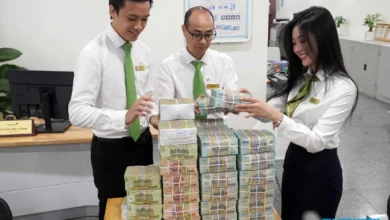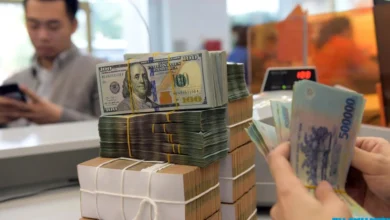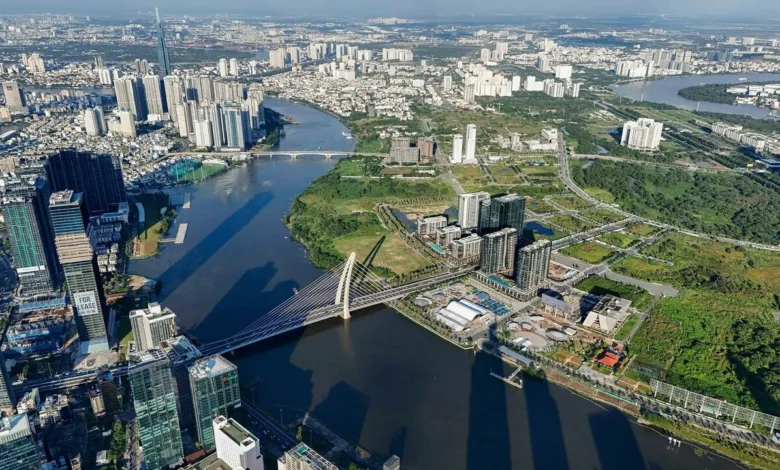
Ho Chi Minh City has achieved a significant milestone in its journey to becoming a globally recognized financial hub, climbing 17 places to rank 67th out of 117 cities in the 40th edition of the Global Financial Centres Index (GFCI 40). This rapid advancement, revealed on September 30 by the Z/Yen Partners organization in collaboration with the China Development Institute (CDI), marks the second-fastest progression in the current evaluation period, trailing only Copenhagen. This surge in international standing underscores the city’s accelerating commitment to reforming its financial ecosystem and integrating more deeply into global capital markets.
The Evolution of Ho Chi Minh City’s Financial Ranking
The GFCI, which has been published twice annually since its inception in March 2007, serves as the industry standard for evaluating the competitiveness of financial centers worldwide. Ho Chi Minh City first entered the rankings in March 2022, debuting at 102nd place. Over the subsequent four years, the city has demonstrated a consistent upward trajectory, moving to 84th place by March 2026. The leap of 17 positions in a single six-month window—a feat that matches the total progress made over the previous four years—signals a decisive shift in the perception of the city by global investors and financial institutions.
This ranking is derived from a rigorous methodology that synthesizes two primary data streams: an extensive online survey of financial professionals and a quantitative model incorporating 144 instrumental factors from over 80 sources, including the World Bank, the OECD, and the United Nations. The index evaluates centers across five key competitive pillars: business environment, human capital, infrastructure, financial sector development, and reputational factors.
Drivers of Progress: Policy and Infrastructure
According to the Strategic Committee and the Ho Chi Minh City International Financial Center (VIFC-HCMC), the recent improvement is largely attributable to the city’s heightened visibility and proactive development strategies. The establishment of VIFC-HCMC seven months ago has served as a catalyst for these advancements, providing a dedicated entity to coordinate international outreach and policy advocacy.
A pivotal factor in this success was the recent announcement by FTSE Russell to officially upgrade the status of the Vietnamese stock market. This institutional validation has acted as a beacon for foreign capital, signaling that Vietnam’s market infrastructure is aligning with international standards. Furthermore, the city has recorded a 12-place jump in the fintech sub-index, reaching 71st. This growth is directly linked to the implementation of the Law on Digital Technology Industries, which has fostered an environment conducive to financial innovation and digital banking solutions.
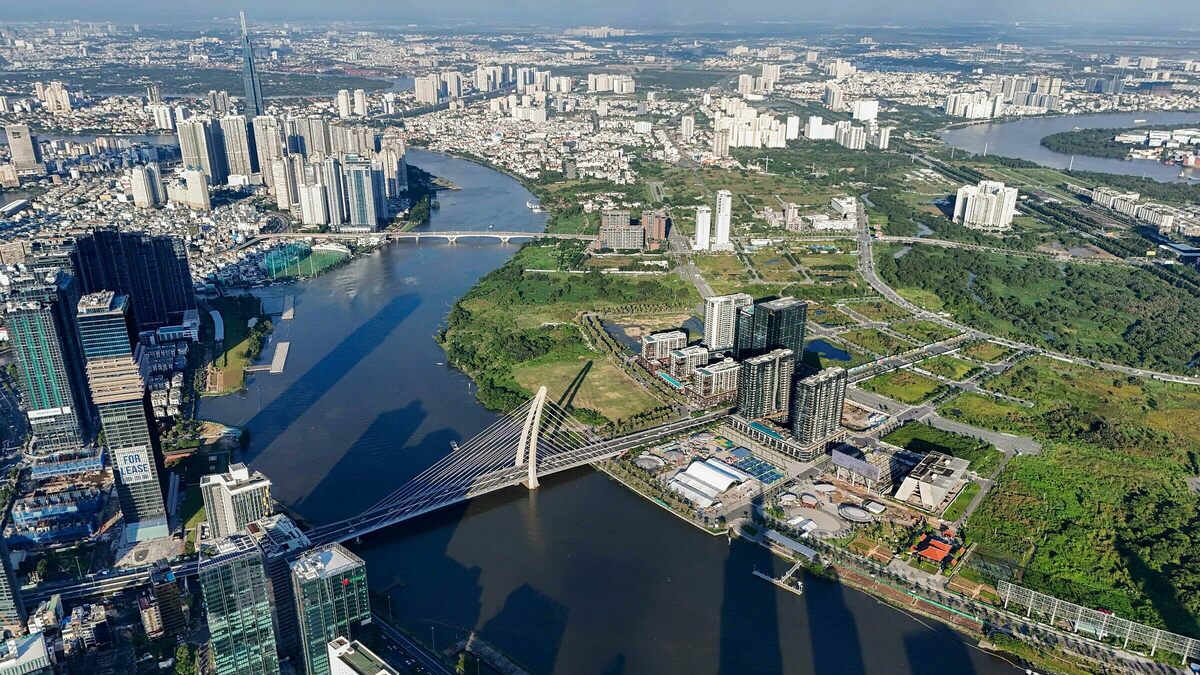
Reputational gains have also played a crucial role. In the latest GFCI 40 report, Ho Chi Minh City received 302 online evaluations and was identified by 34 respondents as an increasingly critical financial center over the next two to three years, placing it 11th among the top 15 "most likely to become more significant" centers globally.
Strategic Initiatives and International Collaboration
The VIFC-HCMC has moved aggressively to capitalize on this momentum. Over the past six months, the organization has partnered with the London Stock Exchange to facilitate a $325 million capital mobilization project for educational infrastructure. Additionally, the city has successfully courted UOB, which has committed to establishing its headquarters within the newly designated financial district, marking a significant milestone in attracting foreign banking institutions to maintain a physical presence in the city.
Bhaskar Dasgupta, a member of the VIFC-HCMC Strategic Advisory Board and former Chief Operating Officer at the Abu Dhabi Global Market (ADGM), noted that the speed of progress in Ho Chi Minh City’s regulatory framework and international partnership development is remarkable. "The improvement in rankings and scores within the global index not only reflects our tangible progress but also serves as a positive signal that the international market is beginning to recognize the significant shifts occurring on the ground," Dasgupta said.
Challenges and Future Roadmap
Despite the recent success, experts emphasize that rising in the rankings is merely the first step. The VIFC-HCMC faces the complex task of continuing to refine policies and infrastructure to transition from a regional contender to a truly global financial powerhouse.
Marc Knapper, a member of the VIFC-HCMC Strategic Advisory Board and former U.S. Ambassador to Vietnam, highlights that the ultimate objective is to convert investor confidence into tangible capital flows. "This depends on a predictable legal environment, robust investor protection mechanisms, the deepening of capital markets, and the development of highly skilled financial talent," Knapper stated.
When benchmarking against the five core pillars of the GFCI, the "business environment" remains the most critical area requiring improvement. Legal experts have pointed out that while the current framework, governed by Decree 323, provided a necessary foundation for the initial five-year development phase, the model is currently perceived as too experimental by some investors. There is a consensus that the next phase of development must move toward more concrete, legislative-backed structures that provide long-term certainty.

Furthermore, Vietnam’s efforts to exit the "gray list" of the Financial Action Task Force (FATF) regarding anti-money laundering and counter-terrorist financing remain a high-priority hurdle. Successfully navigating these compliance requirements is essential for integrating with global financial networks and attracting institutional investors who prioritize strict regulatory adherence.
Expert Analysis: Creating a Sustainable Ecosystem
Richard D. McClellan, Executive Director of the VIFC-HCMC, underscores that while rankings are useful, the true value lies in the quality of the ecosystem and the ability to connect capital sources with productive projects. From a structural perspective, the GFCI 40 classifies Ho Chi Minh City as an "International Contender." To graduate to the "Global" category, the city must enhance its connectivity, diversity of financial instruments, and the depth of its service sectors, including insurance, asset management, and professional consulting.
Dr. Tran Quoc Hung, a senior advisor at the Atlantic Council’s GeoEconomics Center and former Deputy Director at the Institute of International Finance (IIF), argues that the core challenge for Vietnam is ensuring the "spillover effect" of capital. "The primary issue to resolve is how to ensure that capital flowing through a financial center is effectively channeled to local enterprises that require funding for production and business expansion," Hung explained. "We must ensure that the financial center does not become an isolated enclave but rather a vibrant artery that fuels the broader national economy."
Looking Ahead
As of September 2024, the Vietnamese government has intensified its directives. Deputy Prime Minister Nguyen Van Thang has mandated that the local management authority must produce specific, high-value products and clear milestones by November. This directive aims to shift the focus from conceptual planning to operational reality, ensuring that the financial center begins to function as a bridge for real-world economic activity.
The progress seen in the GFCI 40 is a testament to the combined efforts of the government, regulatory bodies, and international partners. However, the path to becoming a world-class financial center requires sustained commitment. The next 12 to 24 months will be critical as the city works to finalize its legal architecture, strengthen its human capital through international training programs, and solidify its reputation as a transparent and reliable partner in the global financial system.
By fostering a stable, technology-driven, and internationally integrated environment, Ho Chi Minh City is positioning itself to be more than just a local hub; it is striving to become the financial heartbeat of Southeast Asia. While the road ahead involves overcoming complex structural and regulatory challenges, the current trajectory suggests that the city is well-equipped to meet these demands, provided it continues to prioritize institutional quality and investor-friendly reforms.
Related posts: