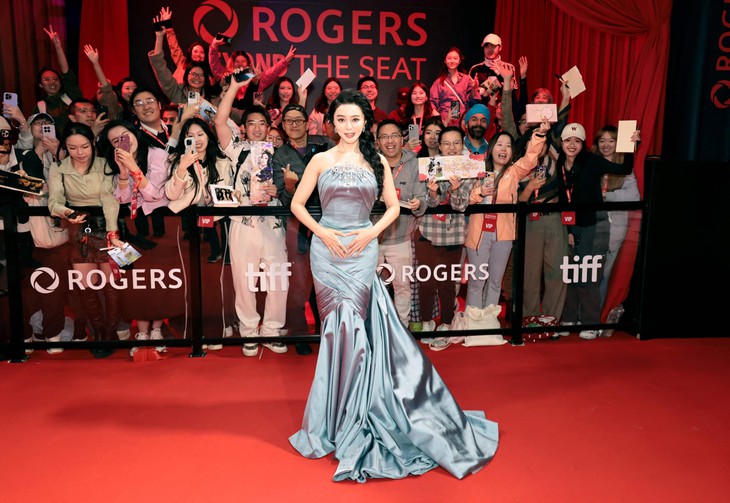
The 51st Toronto International Film Festival (TIFF) played host to a poignant milestone in contemporary Asian cinema on September 19, when acclaimed international star Fan Bingbing graced the event with a striking presence that commanded both global media attention and the enthusiastic applause of film enthusiasts. Returning to the international film circuit with a renewed artistic vision, the Chinese actress demonstrated a profound evolution in her career trajectory, cementing her legacy not merely as a prominent cultural icon, but as a fearless cinematic chameleon willing to explore the darkest and most complex corners of the human psyche.
A Triumphant Return to the International Stage
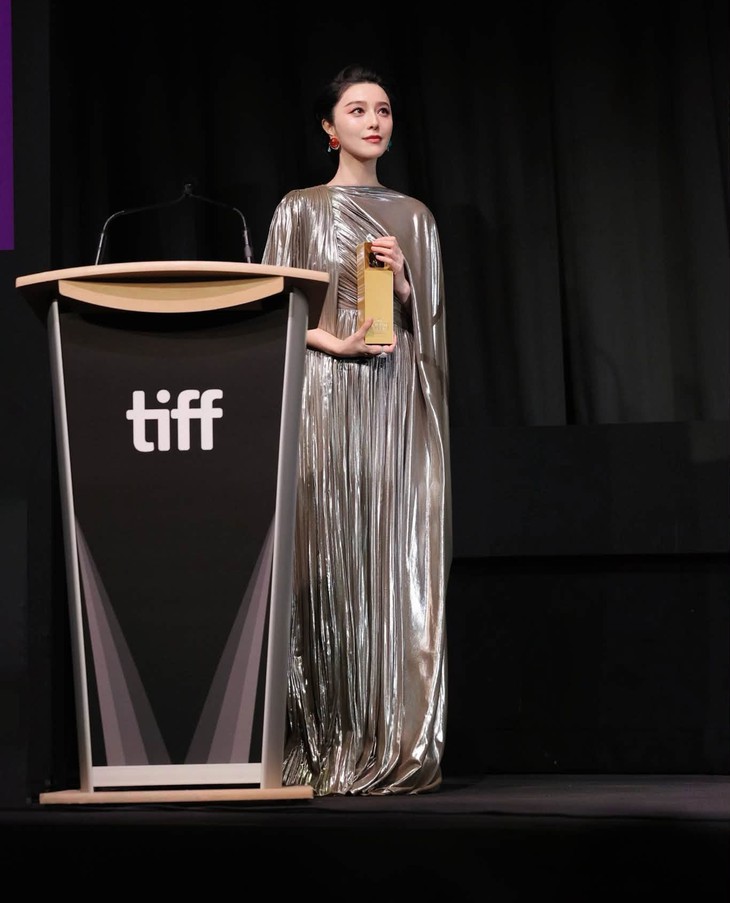
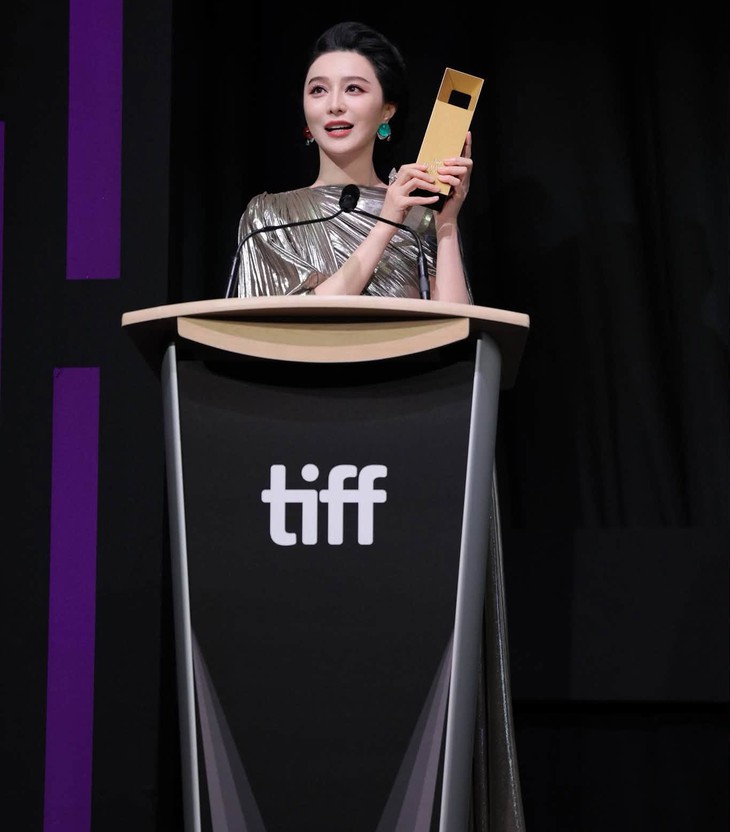
Fan Bingbing’s appearance at TIFF was marked by a series of meticulously curated fashion statements that showcased her enduring status as a global style icon, but the true focal point of her visit transcended the red carpet. In recognition of her extraordinary contributions to world cinema, her courageous artistic reinvention, and her unwavering dedication to storytelling, festival organizers bestowed upon her the prestigious Special Tribute Award. With this accolade, Fan achieved a historic milestone, becoming the first major Chinese actress to receive this specific honor from the esteemed North American institution.
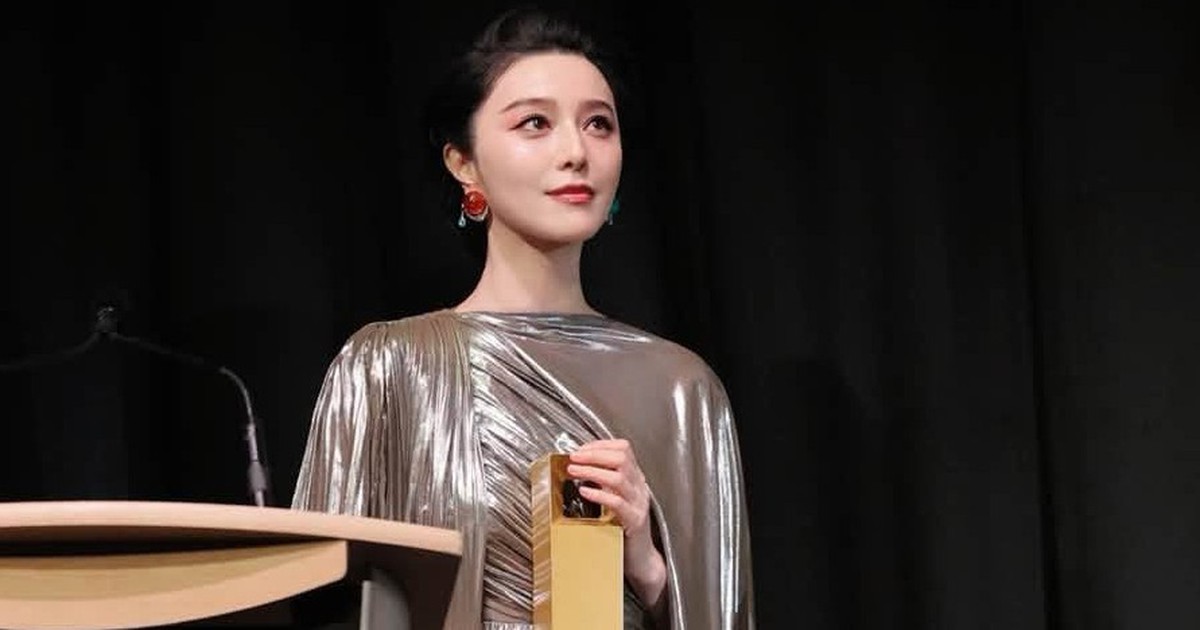
The festival’s artistic director and co-head, Cameron Bailey, presented the award to Fan during a ceremony that underscored her profound global impact. In his glowing introductory remarks, Bailey drew a parallel between Fan and legendary British actress Helen Mirren, praising both women for delivering performances at the festival that were exceptionally bold, deeply captivating, and emblematic of enduring artistic legacies. The partnership between Fan and the festival leadership signaled a warm, mutual respect, validating her relentless pursuit of challenging material and cementing her status as a vital voice in modern transnational cinema.
Diary of a Mad Old Man and the Pursuit of Uncharted Territory
At the heart of Fan’s current festival run is her commanding performance in Diary of a Mad Old Man, a cinematic adaptation of visionary Japanese author Jun’ichirō Tanizaki’s provocative 1961 novel of the same name. Directed by renowned filmmaker Wayne Wang, the film held its highly anticipated world premiere at TIFF within the prestigious Gala Presentations category—a section traditionally reserved for major works by master directors that successfully bridge high artistic ambition with broad public appeal. The project has also been selected to participate in other prominent international showcases, including the Busan International Film Festival, further amplifying its global reach.
In the film, Fan portrays Susu, a complex and deeply unconventional character: a young Chinese woman inextricably drawn into the dark, haunting obsession of an elderly, widowed Japanese man who has been physically incapacitated by a debilitating stroke. The role requires a delicate balancing act of vulnerability, mystery, and emotional gravity, demanding that the actress navigate complex dynamics of power, isolation, and psychological entanglement. For Fan, this role represents a natural continuation of her ongoing artistic renaissance, following a deliberate pivot toward daring, boundary-pushing international projects that began in earnest with her acclaimed turn in director Han Shuai’s Green Night, which premiered in the Panorama section of the Berlin International Film Festival.
The momentum continued into the subsequent year with her spellbinding performance as a resilient, earthy village mother possessing subtle spiritual undertones in Malaysian auteur Chong Keat Aun’s visually striking period drama, Mother Bhumi. That film not only competed at the Tokyo International Film Festival and generated substantial awards buzz at the prestigious Golden Horse Awards, but it also earned Fan the coveted Best Leading Actress trophy. These deliberate career choices reflect an actress who is no longer tethered to the constraints of commercial predictability or the demands of a manufactured public image.
A Conscious Evolution in Artistic Philosophy
Reflecting on her career trajectory in a candid interview with Variety, Fan articulated a profound philosophical shift in how she approaches cinematic storytelling. At this mature stage of her professional journey, she admitted that her primary criterion for selecting a role is no longer its alignment with her established public image, nor its potential to reinforce commercial safety. Instead, she is driven by a singular, uncompromising question: Does the character possess the emotional depth and narrative power to genuinely shake the audience to its core?
"For me, it’s no longer about choosing between international cinema versus Chinese cinema," Fan explained to industry reporters. "It simply comes down to wanting to work with brilliant filmmakers and compelling stories, regardless of where they originate."
She elaborated that the physical scale, language, or geographical origin of a production hold far less weight in her decision-making process than the unique voice of the director and the opportunity to inhabit a character that introduces her to uncharted emotional territory. "Cinema should inherently possess the capacity to transcend borders," she noted, emphasizing her eagerness to collaborate with visionaries whose work leaves an indelible mark on viewers.
Broader Context of Asian Cinema at TIFF 2026
Fan Bingbing’s triumphant presence at the 51حيان International Film Festival occurred against a broader backdrop of robust Asian representation at the event. Alongside Diary of a Mad Old Man, TIFF’s high-profile Gala Presentations category featured The Ancestral Spirit, a monumental historical epic by Vietnamese director Quang Binh that delves deep into the enigmatic mysteries surrounding the Dinh Dynasty. This selection marked a rare and significant triumph for Southeast Asian cinema, securing one of the exclusive slots reserved for ambitious, large-scale international masterpieces.
Furthermore, the festival acknowledged emerging short-form cinematic brilliance by welcoming The Snail’s Dream, an innovative short film by Vietnamese-Australian director Nguyen Thien An, into the competitive Short Cuts program. The simultaneous showcase of established global luminaries like Fan Bingbing alongside cutting-edge voices from Southeast Asia highlights TIFF’s evolving commitment to amplifying diverse, cross-cultural narratives on the world stage.
Implications and Future Outlook
The critical acclaim and institutional recognition greeting Fan Bingbing at the 2026 film festivals signal a robust second act in an already storied career. By deliberately stepping outside the comforting confines of mainstream commercial formulas, she has successfully repositioned herself as a fearless independent spirit—an actress who commands the respect of auteur directors and international juries alike.
As the global film industry continues to grapple with shifting distribution models and an increased appetite for authentic, cross-cultural storytelling, artists like Fan serve as vital bridges between distinct cinematic traditions. Her willingness to embrace vulnerability, dark psychological themes, and culturally diverse characters ensures that her cinematic legacy will be defined not by the glamour of her past, but by the intellectual and emotional rigor of her present work. With several international projects reportedly in development, Fan Bingbing stands as a testament to the enduring power of reinvention, proving that true artistic longevity belongs to those brave enough to continuously reinvent their craft.