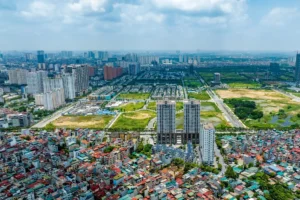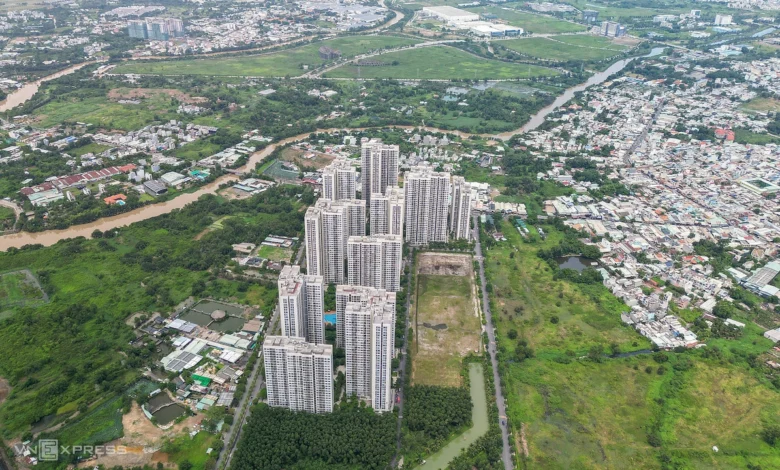
The Vietnamese real estate market is currently navigating a period of profound structural adjustment, characterized by a persistent decline in liquidity and a cooling of speculative fervor that dominated the previous decade. As market participants adjust to higher borrowing costs and more stringent regulatory oversight, experts warn that the era of "wave-riding" or short-term speculative flipping is coming to a definitive, and potentially dangerous, end.
The Current Market Landscape
Data released by the Vietnam Association of Realtors (VARS) highlights the cooling trend. During the first nine months of the year, the country recorded approximately 55,000 transactions. However, the third quarter saw a sharp contraction, with only 12,520 transactions finalized—an absorption rate of less than 39%. Perhaps more concerning is the volume of new product supply, which currently stands at roughly half of the 2025 levels, while demand has consistently weakened over the last three quarters.
Nguyen Van Dinh, Chairman of VARS, notes that the market is undergoing a necessary, albeit painful, "sifting" process. "We are seeing a transition from a market driven by speculative capital to one that must eventually rely on genuine housing needs," Dinh explained. This shift is being forced by a macroeconomic environment where the cost of capital has become prohibitively expensive for those without long-term financial backing.
Chronology of the Shift: From Boom to Correction
To understand the current volatility, one must look back at the trajectory of the past five years. Following the post-pandemic recovery, the Vietnamese real estate sector experienced a period of exponential growth in property values, fueled by low interest rates and high investor confidence.
- 2019-2021: A period of unchecked growth where property prices in major hubs like Hanoi, Ho Chi Minh City, and Da Nang saw annual appreciation rates often exceeding 15-20%.
- Late 2022: The onset of tightening monetary policy began. As inflation rose globally, the State Bank of Vietnam adjusted interest rates to stabilize the currency and control systemic risk.
- 2023-2024: Mortgage rates for home buyers surged from an introductory 8.5–11% to between 13% and 15% per annum. This sharp increase effectively priced out the average buyer and signaled the end of the credit-fueled buying spree.
- Late 2025 – Present: The market is now in a consolidation phase. Investors who relied on leverage to "flip" properties are facing severe cash flow issues as the secondary market fails to provide the quick exit strategies they once relied upon.
The Burden of Inflated Valuations
A central issue contributing to the current stagnation is the disconnect between asking prices and the actual purchasing power of the population. While secondary market prices have seen significant adjustments following the speculative peaks of previous years, primary market prices set by developers remain stubbornly high.
As of the third quarter, the average apartment price in Hanoi reached approximately 79.3 million VND per square meter, while Ho Chi Minh City stood at 88.3 million VND and Da Nang at 68.9 million VND. When compared to the first quarter of 2019, these figures represent staggering increases of 97%, 70%, and 76%, respectively.
These valuations were driven largely by speculative investment and the assumption of perpetual price growth in the short term. Because developers and early-stage investors prioritized price appreciation over utility, the real-world value—the ability to lease or reside in the property—was largely ignored. Now, as the market matures, that lack of underlying utility has left many investors holding assets that are difficult to monetize.
Institutional and Policy Responses
The government, alongside industry associations, is taking steps to ensure market health through increased transparency. Legal reforms and stricter oversight of land use are intended to curb the "wave-riding" phenomenon. By requiring more rigorous documentation and transparency in project data, regulators aim to prevent the market manipulation that previously allowed for artificial price spikes.
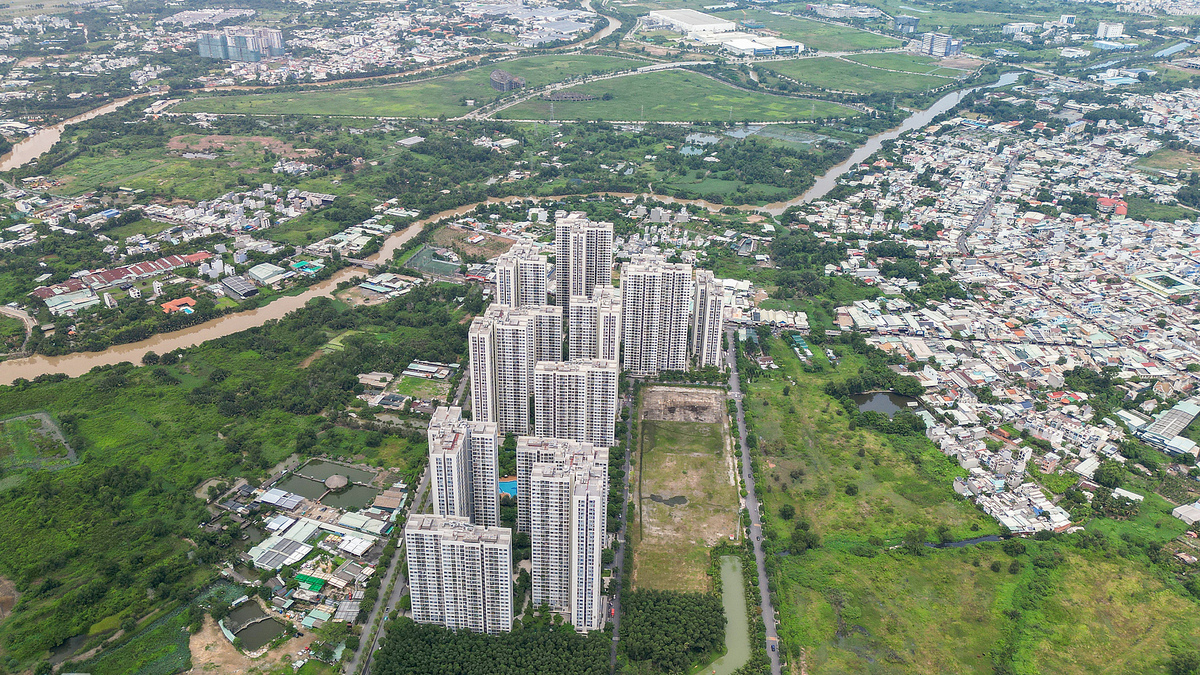
Pham Thanh Tuan, a legal expert specializing in real estate, observes that the policy environment is shifting from promoting "sell-to-own" development toward encouraging "rent-to-own" or institutional rental housing models. "This shift changes the profit equation," Tuan stated. "When rental supply becomes more sophisticated and accessible, the attractiveness of buying an apartment solely for speculative gain diminishes significantly."
The Strategic Pivot for Developers
For real estate developers, the current climate requires a fundamental change in business philosophy. Success is no longer guaranteed by the simple act of launching a project. Instead, developers must focus on the "people flow – money flow" dynamic.
According to Tran Thi Hoa Xim, General Director of Futa Land, the criteria for customer selection have changed. "Previously, buyers were almost exclusively looking for price growth. Today, they are looking for quality of life, infrastructure, and connectivity," Xim said.
Developers are now being forced to compete on three main fronts:
- Financial Capability: Only firms with robust, long-term capital sources can survive the prolonged development cycle.
- Product Quality: Projects must be ready for immediate occupancy or rental, rather than sitting as "ghost" assets.
- Infrastructure Integration: The value of a property is now inextricably linked to the surrounding transit networks and essential services.
Future Implications and Recommendations
Dr. Can Van Luc, a Chief Economist at BIDV, has provided clear guidance for firms looking to survive this transition. He emphasizes that developers must strictly control cash flow, account for rising capital costs, and proactively restructure debt before it reaches maturity.
"The era of easy growth is over," Dr. Luc remarked. "Investors and developers alike must move toward a model where product segments are aligned with the actual housing needs of the majority of the population. Those who continue to rely on excessive leverage or overly optimistic price projections will find themselves at high risk."
Conclusion: A Maturing Market
The transition currently underway is an essential step toward a more sustainable real estate sector in Vietnam. By discouraging short-term speculative flipping, the market is forcing a return to fundamentals. While the short-term pain for investors—particularly those who over-leveraged—is undeniable, the long-term outcome is expected to be a more stable, transparent, and user-focused industry.
For the average citizen, this could mean more realistic entry prices and a higher standard of living as developers prioritize long-term utility over quick turnover. However, for the industry, the message is clear: the "wave" has retreated, and those who remain must build on the solid ground of genuine value and financial discipline. The coming years will likely be defined by the success of those who adapt to this new reality, focusing on infrastructure, service, and the tangible needs of the modern urban resident.
Related posts: