VETC and ePass charge 6,600 VND/month: Ministry of Construction proposes flexible fee structure and exemptions for low-usage vehicles

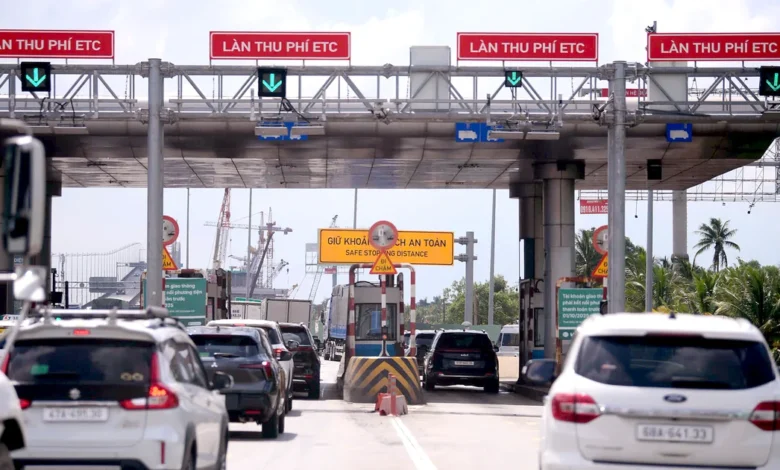
The landscape of Vietnam’s electronic toll collection (ETC) system has recently come under intense scrutiny following the introduction of administrative management fees for electronic toll accounts. As major service providers, including VETC and Viettel Money (ePass), began implementing monthly fees for account maintenance, the Ministry of Construction has intervened, calling for a more flexible, consumer-centric approach. This development marks a critical juncture in the maturation of Vietnam’s digital transport infrastructure, raising questions about transparency, the distinction between service fees and toll charges, and the necessity of balancing operational costs with user affordability.
The Core Conflict: Defining the Fee
At the heart of the current public debate is a misunderstanding regarding the nature of the charges being levied. Many vehicle owners have conflated the newly introduced "account management fee" with the actual "road toll." To clarify this, authorities and service providers have emphasized that these fees are not, by any legal definition, road usage fees.
Under the current framework, an ETC account serves as a digital repository for vehicle and owner information, but it does not store cash itself. When a vehicle passes through a toll plaza, the system triggers an automated transaction, pulling funds directly from a linked payment instrument—such as an e-wallet, credit card, or a pre-authorized bank account. The fees currently being introduced by providers like VETC and Viettel Money are categorized as service charges for the maintenance of the digital ecosystem, which includes secure identity verification, transaction processing, real-time banking integration, and customer support infrastructure.
For individual customers, VETC has set the fee at 6,600 VND per month, while corporate and institutional clients are charged 66,000 VND per month, both inclusive of Value Added Tax (VAT). These fees are applied per account, regardless of the number of vehicles linked to that specific profile. Viettel Money has mirrored this structure, proposing similar rates for its users.
The Economic Rationale for Service Fees
From the perspective of the service providers, the implementation of these fees is a response to the substantial overhead required to maintain a secure and reliable digital payment network. The Ministry of Construction has acknowledged the technical and financial justifications presented by these companies.
Building and operating a national ETC system involves significant capital expenditure and ongoing operational costs. Key cost drivers include:
- System Development and Maintenance: Continuous investment in software and hardware to ensure 99.9% uptime at high-speed toll gates.
- Data Security and Fraud Prevention: Implementing robust cybersecurity measures to protect sensitive user financial data, which requires constant monitoring and updates.
- Banking Integration: The technical complexity of maintaining real-time, secure connections between toll databases and multiple commercial banking platforms.
- Customer Lifecycle Management: Providing support services, handling account disputes, and managing the physical tag distribution and maintenance.
Despite these justifications, the Ministry of Construction has noted that the communication strategies employed by these companies have been insufficient. By failing to clearly articulate the "why" behind the charges, companies have inadvertently triggered public frustration and skepticism, particularly among drivers who perceive this as an additional, unnecessary tax on road usage.
A Chronology of the Digital Toll Shift
The transition to a fully automated toll system in Vietnam has been a multi-year project aimed at reducing congestion and increasing transparency in transport finance.
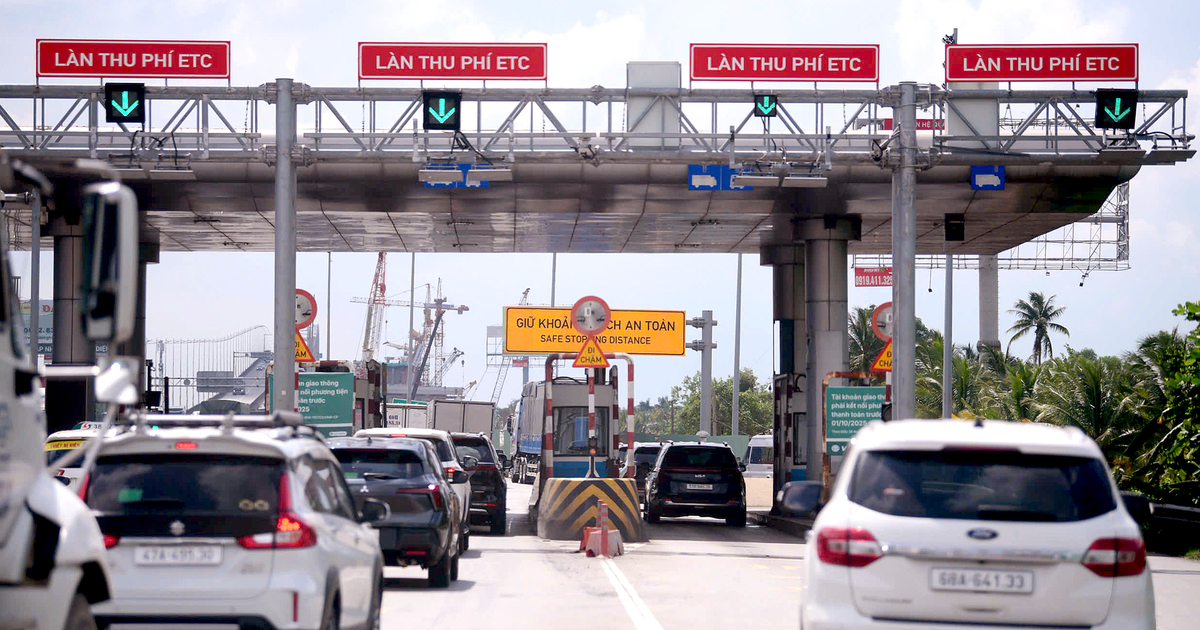
- Early Stages (2015-2018): Initial testing and pilot programs for non-stop electronic toll collection were launched on key national highways. During this period, the focus was primarily on infrastructure and the adoption of RFID tags.
- Mandatory Transition (2020-2022): The government mandated the shift to 100% ETC lanes on major expressways, significantly reducing the reliance on manual toll booths. This phase saw a massive influx of users into the VETC and ePass ecosystems.
- Integration and Diversification (2023-2025): The system evolved to allow for broader payment integration, moving beyond simple top-up balances to direct links with bank accounts and digital wallets.
- The Current Controversy (Late 2025 – Present): As providers looked to monetize the maintenance of these sophisticated digital platforms, the introduction of monthly management fees became a flashpoint for public debate, leading to the recent Ministry of Construction oversight intervention.
Implications and Regulatory Guidance
The Ministry of Construction’s intervention serves as a directive for both providers and the public. The Ministry has clearly stated that while companies have the right to develop fee structures based on operational requirements, the current approach lacks the necessary flexibility to account for different usage patterns.
In its official guidance, the Ministry has recommended that providers explore "usage-based" or "transaction-based" fee models. For instance, a vehicle owner who rarely uses expressways should not be subjected to the same monthly fee as a commercial transport firm that triggers hundreds of transactions per month. Proposals have included:
- Exemptions for Low-Usage Vehicles: Implementing a fee-waiver or reduced-fee tier for vehicles that record fewer than a specific number of toll transactions per month.
- Tiered Pricing: Aligning fees with the volume of transactions, ensuring that the cost burden remains proportional to the service utilized.
- Enhanced Transparency: Requiring providers to issue detailed monthly statements that explicitly separate service fees from actual toll payments, thereby reducing consumer confusion.
Analysis: Balancing Innovation and Public Interest
The move toward digital-only tolling is an essential component of Vietnam’s "Smart City" and "Digital Economy" initiatives. However, the current tension highlights a fundamental challenge: how to transition from state-subsidized infrastructure to a commercially viable service model without alienating the user base.
For the providers, the challenge is not merely financial but reputational. The ETC system is a public utility in function, even if it is operated by private entities. Therefore, any change in pricing structure requires a higher degree of public consultation than a standard retail product. The providers are now tasked with re-evaluating their revenue models to ensure they are perceived as fair and equitable.
Looking forward, the success of the ETC program depends on the ability of the government and service providers to work in tandem. The Ministry of Construction has made it clear that while they support the sustainability of the firms involved, they will not tolerate opaque fee structures that catch users off guard. The recommendation to "consult with all relevant parties" indicates a shift toward a more collaborative regulatory environment, where the rights of the consumer are balanced against the need for private sector investment in public infrastructure.
The Path Forward
As the industry moves into the next phase, stakeholders expect a refinement of the current fee policy. Companies like VETC and VDTC (the operator of ePass) are now under pressure to present updated, transparent plans that incorporate the Ministry’s feedback.
For the average Vietnamese motorist, the expectation is that the system will become more intuitive and less "hidden-fee" intensive. The potential for the system to integrate with other digital government services—such as vehicle registration, insurance payments, and even parking—remains a long-term goal that will require a high level of public trust.
In conclusion, the ongoing debate over the 6,600 VND monthly fee is a microcosm of the broader challenges inherent in digital transformation. It is a reminder that in the rush to adopt new technologies and improve infrastructure efficiency, the human element—transparency, affordability, and clear communication—remains the most important factor in securing public adoption. By shifting toward a more flexible, usage-based model, service providers have an opportunity to move past this controversy and solidify the ETC system as a reliable, indispensable part of Vietnam’s transport landscape.
Related posts: