People with diabetes can still enjoy their favorite foods thanks to these 5 dietary strategies

Managing blood glucose levels is a fundamental challenge for the millions of people living with diabetes worldwide, often leading to the misconception that a diagnosis requires a lifetime of strict dietary restriction and the total abandonment of favorite foods. However, recent insights from clinical nutritionists suggest that the path to glycemic control is not found in deprivation, but in the strategic management of food combinations, portion sizes, and preparation techniques. By applying evidence-based dietary modifications, patients can enjoy a broader variety of foods while maintaining their health targets.
The Science of Glycemic Management
The core objective for any individual with diabetes is to avoid acute spikes in blood glucose, which can lead to long-term vascular complications. Nutrition experts like Gabrielle Kishner emphasize that the focus should shift from "eliminating" to "balancing." When an individual consumes carbohydrates—particularly refined ones—the body breaks them down into glucose, which enters the bloodstream. Without the proper balance of fiber, protein, and healthy fats, this process occurs rapidly, triggering a sharp increase in blood sugar.
Data from the International Diabetes Federation (IDF) indicates that by 2045, approximately 783 million adults will be living with diabetes. As these numbers rise, the medical community is moving away from the traditional "forbidden list" approach in favor of glycemic management strategies that improve the patient’s quality of life. The five strategies outlined by experts offer a roadmap for integrating favorite foods back into a daily regimen without compromising health.
1. Replacing Starch with Low-Carb Vegetables
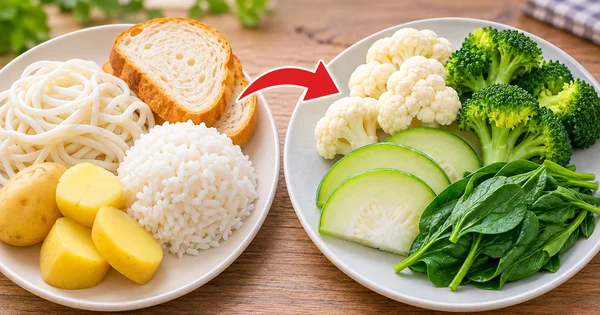
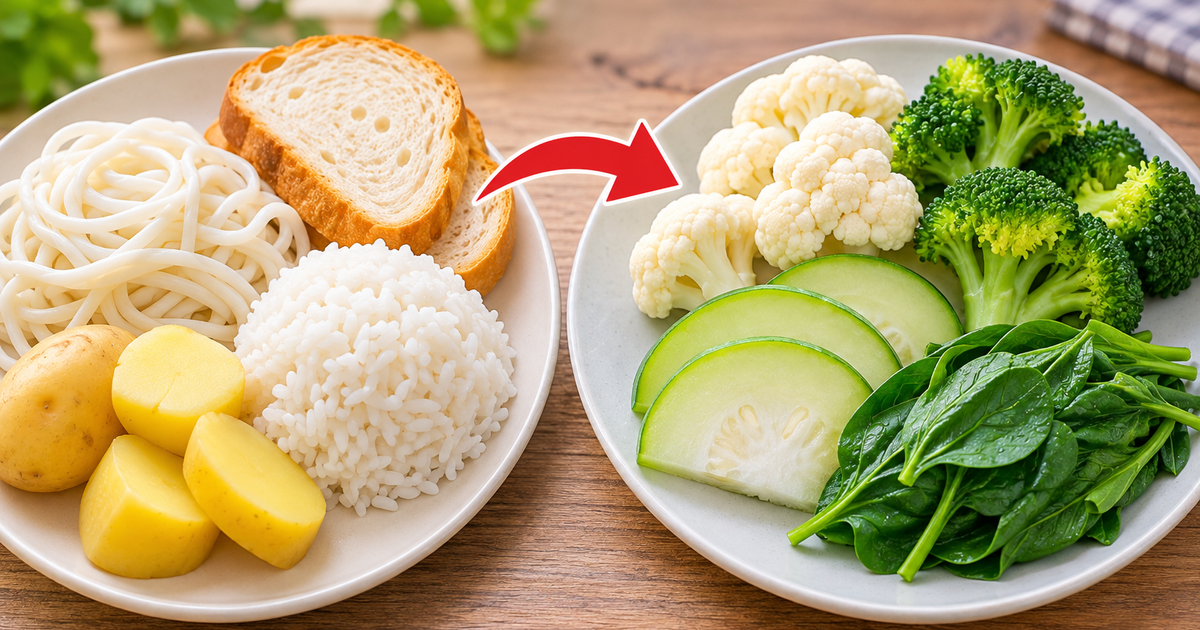
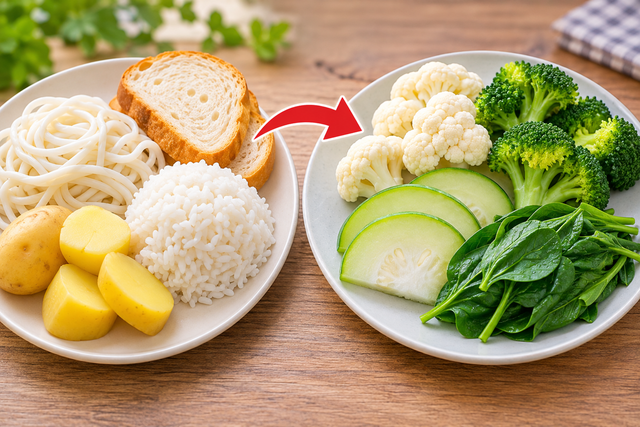
One of the most effective ways to manage blood sugar is to reduce the overall carbohydrate load of a meal. Many traditional staples, such as white potatoes, pasta, and bread, are dense in simple carbohydrates. Nutritionist Roselyn Zeyl suggests a simple substitution: replacing a portion of these starches with non-starchy, fiber-rich vegetables.
Vegetables like cauliflower, broccoli, zucchini, and spinach serve as excellent vehicles for flavors without the high glycemic impact of refined grains. By filling half the plate with these nutrient-dense options, patients naturally reduce the amount of glucose that hits the bloodstream at once. This practice does not merely reduce the glycemic index of the meal; it also provides essential vitamins and minerals that support overall cardiovascular health, which is often compromised in diabetic patients.
2. The Synergy of Protein and Carbohydrates
The order and composition of a meal matter significantly. Consuming carbohydrates in isolation is a primary driver of post-prandial hyperglycemia. When a carbohydrate-rich food is eaten alone, it is rapidly digested. However, when that same food is paired with high-quality protein, healthy fats, or fiber, the digestion process is significantly slowed.
Protein triggers the release of hormones that slow gastric emptying, meaning the glucose from the carbohydrates is released into the bloodstream at a much more gradual rate. For a patient, this means that enjoying a piece of bread or a serving of fruit is much safer when accompanied by a source of lean protein like grilled chicken, fish, tofu, or a handful of nuts. This synergy is a cornerstone of modern medical nutrition therapy for type 2 diabetes.
3. Prioritizing Fiber-Rich Whole Grains
While refined grains like white rice and white flour are often discouraged, whole grains—such as quinoa, oats, and brown rice—remain vital components of a healthy diet. The distinction lies in the fiber content. Fiber is not digested by the human body in the same way as other carbohydrates; it acts as a physical barrier that slows the absorption of sugar in the small intestine.
Research suggests that high-fiber diets can improve insulin sensitivity. By prioritizing whole grains, patients benefit from a slower, more sustained release of energy. This also contributes to increased satiety, which helps in weight management—a critical factor in controlling blood glucose levels for those with insulin resistance.
4. The "Cooling" Effect: Resistant Starch
A lesser-known but highly effective strategy involves the preparation of starchy foods like rice, potatoes, and pasta. If these foods are cooked, then cooled in a refrigerator for at least 12 to 24 hours, a portion of the starch undergoes a molecular change, turning into "resistant starch."
Resistant starch acts similarly to dietary fiber. It is not fully broken down in the small intestine, and instead, it passes to the colon where it is fermented by gut bacteria. Studies have shown that consuming foods high in resistant starch results in a lower blood glucose response compared to consuming the same foods immediately after cooking. This technique allows individuals to continue eating traditional staples while modifying their physical structure to favor better metabolic outcomes. It is important to note that the food can be reheated safely before consumption without losing the benefits of the resistant starch.
5. Sequencing the Meal
The order in which one eats food components can influence the metabolic response. Research into "food sequencing" suggests that starting a meal with non-starchy vegetables or protein, followed by carbohydrates, can dampen the post-meal glucose spike. By consuming fiber and protein first, the stomach is effectively primed, and the digestive system is prepared to process the incoming glucose more slowly. This simple behavioral shift requires no change in the actual food items, only in the sequence of consumption.
Clinical Context and Medical Supervision
While these strategies provide flexibility, they are not a substitute for professional medical advice. For patients using insulin or oral hypoglycemic agents, any change in diet—even healthy ones—must be coordinated with a healthcare provider. Sudden, unmonitored changes in carbohydrate intake can lead to hypoglycemia, a dangerous condition characterized by dangerously low blood sugar.
The management of diabetes is a lifelong process that requires regular monitoring of blood glucose levels. Experts recommend that patients use the information gained from post-meal blood sugar testing to understand how specific food combinations affect their individual physiology. Each person reacts differently to various food groups, and "personalized nutrition" is the gold standard for long-term care.
The Broader Impact on Public Health
The movement toward "flexible dietary management" is reflective of a broader shift in chronic disease management. For decades, the stigma associated with diabetes led many patients to suffer in silence, feeling that their condition made them social pariahs at dinner tables. By embracing these five techniques, the focus shifts from a cycle of "restriction and failure" to one of "management and empowerment."
As public health systems continue to grapple with the rising costs of treating diabetes-related complications, these dietary strategies offer a low-cost, highly effective intervention. When individuals feel capable of managing their own diet without the psychological burden of total restriction, compliance with medical advice improves, leading to better long-term outcomes and a reduced reliance on escalating medication doses.
In conclusion, the ability to enjoy one’s favorite foods while managing diabetes is not a myth, but a result of understanding the metabolic impact of food. Through the strategic use of fiber, protein, food sequencing, and the science of resistant starches, patients can maintain a healthy lifestyle that is both sustainable and enjoyable. Maintaining a close dialogue with a clinical nutritionist or endocrinologist remains the most important step for anyone looking to implement these changes safely and effectively.