Cà Mau Airport prepares for official reopening on December 18, 2026, following extensive 2,400 billion VND renovation project

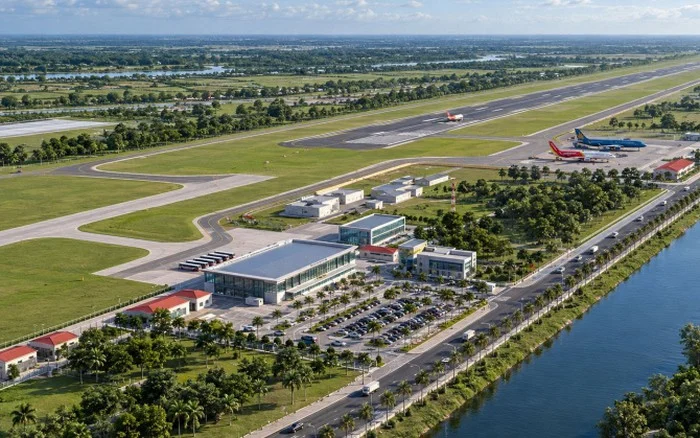
After more than a year of operational suspension, the aviation landscape in Vietnam’s southernmost province is set to undergo a significant transformation. The Airports Corporation of Vietnam (ACV) has confirmed that Cà Mau Airport is scheduled to resume commercial operations on December 18, 2026. While this marks a long-awaited milestone for regional connectivity, the project’s timeline has faced challenges, resulting in a 19-day delay from the original target of November 29. This adjustment underscores the complexities of executing large-scale infrastructure projects in the Mekong Delta, where environmental factors and supply chain logistics remain critical variables.
Project Overview and Scope of Modernization
The renovation of Cà Mau Airport, a critical node in the regional transportation network, represents a total capital investment of approximately 2,400 billion VND. Initiated by the ACV, the project aims to modernize aging facilities that have struggled to keep pace with the increasing demand for air travel in the Cà Mau Peninsula.
The scope of the project is comprehensive. At the heart of the upgrade is the construction of a new runway measuring 2.4 kilometers in length and 45 meters in width. This enhancement is essential for accommodating modern narrow-body aircraft, such as the Airbus A320 and A321, which are the workhorses of domestic aviation in Vietnam. By allowing these larger, more efficient jets to land, the airport effectively removes the technical limitations that previously restricted it to smaller, less economical regional aircraft.
Beyond the runway, the passenger terminal has undergone a total transformation. The facility has been overhauled to meet contemporary standards, featuring expanded check-in areas, modernized electrical systems, and updated passenger processing equipment. These changes are designed to ensure that the airport can handle a significantly higher throughput, moving away from the cramped, outdated conditions of the past to a more fluid and comfortable experience for travelers.
A Chronology of the Renovation Effort
Cà Mau Airport ceased operations in October 2025 to facilitate the extensive construction work. The closure was a necessary sacrifice to expedite the modernization process, as working around an active flight schedule would have been both dangerous and significantly more time-consuming.
Throughout 2026, the project faced a series of hurdles. The most notable disruption occurred in October 2026, when unseasonably heavy rainfall severely hampered construction activities. In the construction sector, particularly when dealing with asphalt and runway surfacing, moisture is the primary enemy. The saturation of the ground and the inability to maintain optimal temperatures for laying tarmac led to inevitable delays.
Furthermore, the project was impacted by fluctuations in the supply chain. The availability and pricing of essential building materials—specifically high-grade rock, specialized sand, cement, and aviation-grade bitumen—experienced volatility. These bottlenecks forced project managers to recalibrate their timelines. As of early November 2026, the project reached the 80% completion milestone, with the focus shifting from heavy structural work to the final stages of systems integration, testing, and commissioning.
Current Status and Final Preparations
With approximately 40 days remaining until the projected reopening, the intensity on the ground has increased. The passenger terminal is largely complete, with electrical systems and baggage handling equipment currently undergoing trial runs and calibration. These technical shakedowns are critical to ensuring that once the first commercial flight touches down, the facility operates without interruption.
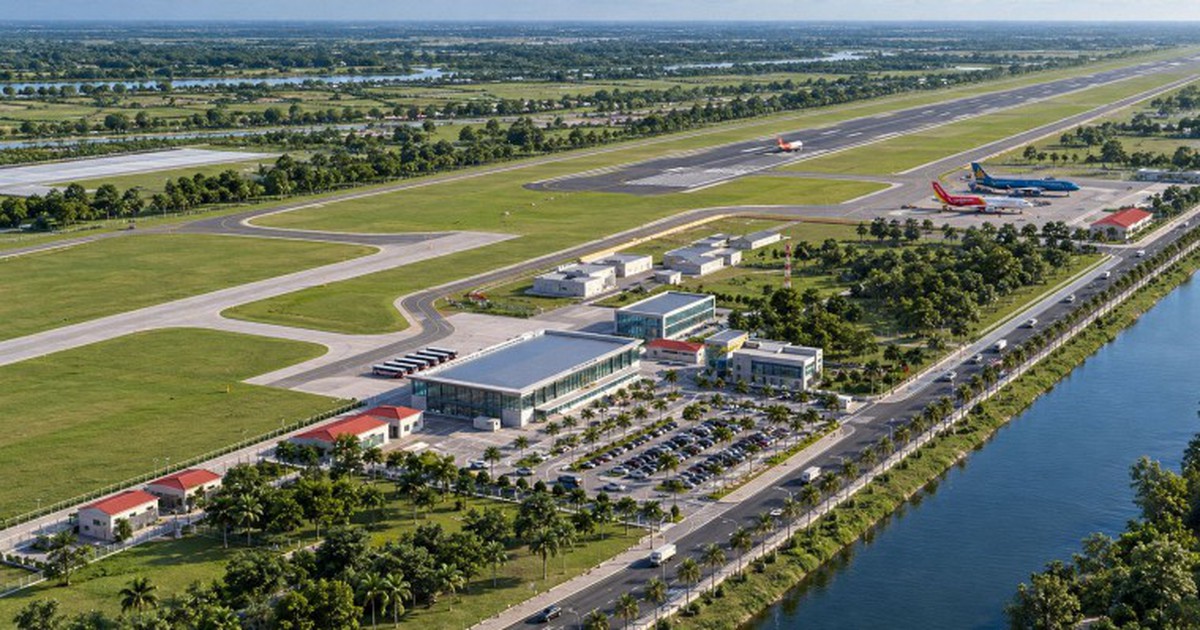
In the flight operations area, the focus has shifted to the installation of navigation lighting systems and visual aids. These are not merely decorative but are essential safety features required for modern instrument flight rules (IFR) operations. The ACV has emphasized that no corners are being cut in the safety and quality assurance phases. Before the airport can welcome passengers, it must undergo rigorous inspections by the Civil Aviation Authority of Vietnam (CAAV) to ensure full compliance with international aviation safety standards.
Strategic Implications for the Mekong Delta
The reopening of Cà Mau Airport is not merely a local upgrade; it is a strategic move to boost the economic profile of Vietnam’s southernmost tip. Historically, travel to Cà Mau has been time-consuming, relying on lengthy road trips or limited regional flight options. By introducing the capacity for larger, more frequent flights, the province expects to see a surge in domestic tourism and business investment.
According to the master plan for 2021-2030, Cà Mau Airport is earmarked to reach the 4C category of airport standards. This classification will allow the airport to handle approximately one million passengers and 1,000 tons of cargo annually. Looking further ahead, the long-term vision for 2050 targets an increase in capacity to three million passengers and 3,000 tons of cargo per year. This expansion is designed to support the local aquaculture and seafood export industries, which require efficient logistics to maintain the freshness and quality of their products for both domestic and international markets.
Collaboration with Airline Partners
The provincial government of Cà Mau has been actively negotiating with major domestic airlines to secure routes that will maximize the utility of the upgraded airport. Specifically, discussions with Vietjet have reached an advanced stage. The proposed flight path, connecting Hanoi to Cà Mau, is expected to operate three times a week—specifically on Mondays, Wednesdays, and Fridays.
This route is seen as a "game changer." By linking the capital city directly with the southern tip of the country, the travel time for tourists and business professionals will be slashed from a full day of transit to a mere two-hour flight. While ticket prices are subject to market demand and airline pricing strategies, initial projections suggest that the connectivity will remain accessible, with estimates often cited below the 1 million VND threshold, depending on booking time and season.
Economic and Logistical Challenges
Despite the optimism surrounding the December 18 opening, the project serves as a case study in the challenges of infrastructure development in the Mekong Delta. The region is characterized by soft soil conditions and high water tables, which require more sophisticated engineering and higher investment costs than projects in more stable, mountainous, or central regions.
The reliance on imported or regionally sourced materials, such as specific grades of aggregate for runway construction, also highlights the vulnerability of the domestic construction industry to price spikes. However, the completion of this project is expected to provide a significant return on investment. The economic multiplier effect—where increased accessibility leads to more tourism, higher spending in the service sector, and more stable business operations—is anticipated to manifest within the first 18 to 24 months of full operations.
Conclusion: A New Era for Regional Aviation
The return of flight operations at Cà Mau Airport on December 18, 2026, will mark the end of a long period of isolation for the region. As the final systems are tested and the runways are prepared for their first commercial landings in over a year, the focus for the local administration will shift from construction to operational sustainability.
The success of this project will be measured by more than just the successful landing of the first flight. It will be determined by the airport’s ability to maintain high service standards, the reliability of its flight schedules, and its capacity to integrate seamlessly into the national tourism and trade strategy. For the people of Cà Mau and the thousands of travelers who visit the region annually, the reopening is a long-awaited bridge to the rest of the country, signaling a new chapter of growth and connectivity for the southern gateway of Vietnam.