Thai TikToker Gains Viral Success by Livestreaming Bangkok Parking Lots to Assist Morning Commuters

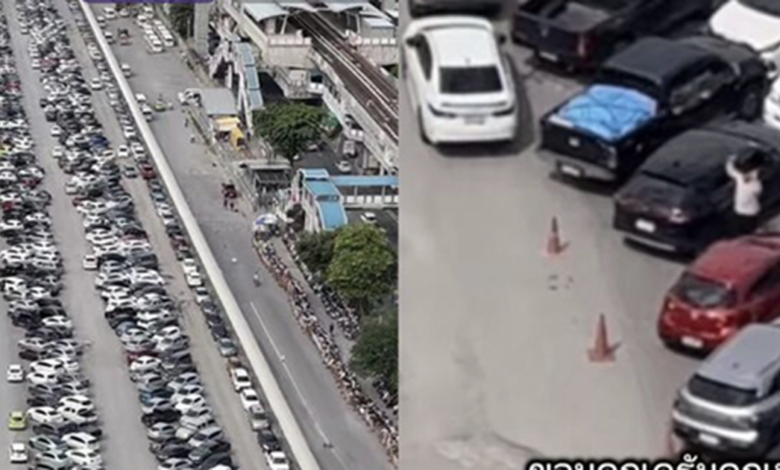
In the bustling metropolis of Bangkok, where the rhythm of daily life is often dictated by the ebb and flow of notorious traffic congestion, an innovative social media creator has found a way to turn a smartphone into a vital urban utility. A Thai TikToker has recently captured the attention of over one million viewers by broadcasting live footage of a high-demand parking lot at the BTS Mo Chit station. This altruistic use of social media has not only garnered viral fame but has become a daily lifeline for hundreds of commuters struggling to navigate the complexities of the city’s "Park and Ride" system.
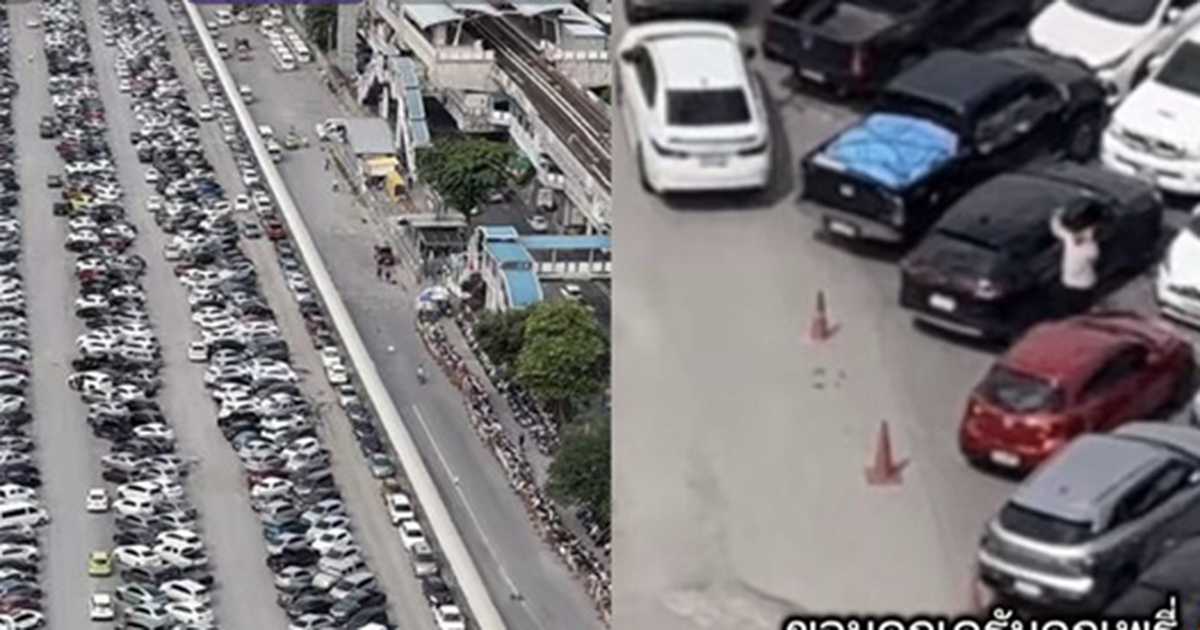
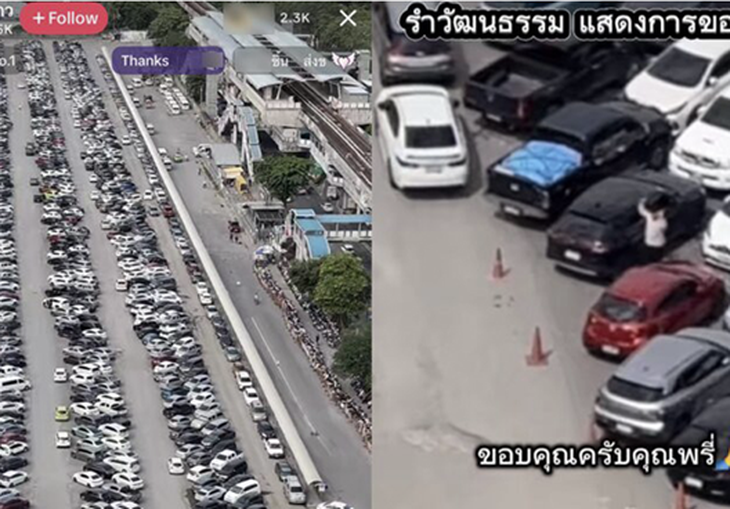
The TikTok account, operating under the handle @mochitwangpao, has become a digital landmark for the capital’s workforce. Known colloquially as "Wang Pao"—a Thai phrase translating to "Is it empty?" or "Are there spaces?"—the channel provides a real-time bird’s-eye view of the expansive parking facility located at one of Bangkok’s most critical transit hubs. By utilizing a fixed camera positioned at an elevated vantage point, the creator offers a comprehensive panoramic perspective that allows drivers to identify vacant stalls before they even enter the lot’s congested access lanes.
The Logistics of a Digital Public Service
The livestreaming schedule is strategically aligned with the peak of Bangkok’s morning rush hour. The broadcasts typically run from 7:30 AM to 9:00 AM, Monday through Thursday. According to data from the Bangkok Mass Transit System (BTS), this window represents the most volatile period for parking availability, as thousands of residents from the northern suburbs of the city descend upon the Mo Chit station to transition from their private vehicles to the Skytrain system.
The BTS Mo Chit parking lot is a massive facility, yet its proximity to the Chatuchak Weekend Market and its status as a primary interchange for the BTS Green Line and the MRT Blue Line make it one of the most difficult places to find a spot. Before the emergence of the "Wang Pao" stream, drivers often spent 15 to 30 minutes circling the lot, contributing to local emissions and increasing their own stress levels. Now, with a quick glance at their mobile devices, commuters can make an informed decision: proceed into the Mo Chit lot or seek alternative parking further down the line.
The creator, who currently boasts over 3,100 dedicated followers and a rapidly growing view count, has been praised for the consistency and clarity of the feed. The high-definition stream allows viewers to distinguish between occupied spaces and those that have just been vacated, providing a level of granular detail that even official city apps often fail to provide in real-time.
Contextualizing Bangkok’s Urban Congestion
To understand the significance of this TikTok phenomenon, one must look at the broader context of transportation in Thailand’s capital. According to the TomTom Traffic Index, Bangkok consistently ranks as one of the most congested cities in the world. In recent years, the city has seen a massive surge in private vehicle ownership, outpacing the development of road infrastructure.
The "Park and Ride" strategy was implemented by the Thai government to encourage commuters to leave their cars on the outskirts of the central business district and use the rail network. However, the success of this strategy is entirely dependent on the availability and accessibility of parking. When parking lots are perceived as "full" or "too difficult to navigate," commuters are more likely to drive their entire route, further clogging the city’s main arteries like Sukhumvit and Silom roads.
The @mochitwangpao initiative serves as a grassroots solution to a structural problem. While the government has invested billions in rail expansion, the "last mile" or "first mile" connection—getting from home to the station—remains a significant hurdle. By providing transparency in parking availability, this TikToker is effectively improving the efficiency of the city’s multi-modal transport network.
A Chronology of Community Engagement
The rise of the "Wang Pao" channel was not instantaneous but grew through word-of-mouth among the "office lady" and "salaryman" demographics of Bangkok.
- Phase One: The Discovery (Early 2024): The creator began experimenting with short clips of the parking lot to show peak times. These videos served as a historical record of when the lot typically reached capacity.
- Phase Two: Transition to Live (Mid-2024): Recognizing that commuters needed current information, the creator shifted to the 7:30 AM livestream format. This is when the view counts began to skyrocket, as the utility of the content became apparent.
- Phase Three: Viral Recognition (July 2024): Major Thai news outlets, including Khaosod, picked up the story after a series of heartwarming interactions between the creator and the commuters were shared online.
- Phase Four: The "Gratitude" Movement (Present): The stream has evolved into a two-way communication channel. Commuters who successfully find a spot often signal to the camera, and some have even been recorded performing brief "thank you" dances in the parking aisles, knowing the creator is watching from above.
Reactions from the Public and Experts
The response from the Thai public has been overwhelmingly positive. Social media comments are filled with expressions of gratitude, with many users noting that the stream has saved them from being late to work or from the frustration of a fruitless search for parking. One regular viewer commented, "This is better than any government app. It’s honest, it’s live, and it’s helped me plan my morning better for two weeks straight."
Urban planning experts have also taken note of the trend. Dr. Somchai Worakul, an independent consultant in urban mobility, suggests that this represents a shift toward "informal smart city" solutions. "What we are seeing here is the democratization of urban data," Dr. Worakul stated. "When the official infrastructure doesn’t provide the necessary information, the community uses the tools at their disposal—in this case, social media—to fill the gap. It is a form of digital altruism that has real-world economic benefits by reducing time wastage."
Furthermore, the creator’s decision not to monetize the stream through aggressive advertising or paywalls has added to the account’s credibility. While TikTok does allow for "gifts" during livestreams, the primary motivation appears to be community service, a factor that has resonated deeply with the Thai cultural value of Nam Jai (generosity or "water from the heart").
Broader Impact and the Future of Urban Livestreaming
The success of @mochitwangpao raises important questions about the future of city management and the role of the "attention economy." While TikTok is often criticized for hosting frivolous or distracting content, this case study proves that the platform can be leveraged for serious logistical support.
There are several implications for the future:
1. Pressure on Official Agencies: The popularity of this stream may put pressure on the Bangkok Metropolitan Administration (BMA) and the BTS to install their own real-time sensors and public-facing dashboards. If a single citizen with a smartphone and a tripod can provide this much value, the public will naturally ask why the service isn’t provided officially.
2. Expansion of the Model: Similar "utility streams" are already being discussed for other high-traffic areas, such as the parking lots at Suvarnabhumi Airport or major shopping complexes like CentralWorld and Siam Paragon during holiday sales.
3. Privacy and Regulation: As these streams become more common, there may be debates regarding privacy. While the Mo Chit stream is a wide shot where individual license plates and faces are generally not identifiable, the legal framework for "public interest livestreaming" in Thailand remains a grey area. Currently, because it is a public space and the intent is not malicious, authorities have not intervened.
4. The "Social" in Social Infrastructure: This phenomenon has created a unique "digital waiting room" where commuters chat with each other in the comments while they are stuck in traffic or on the train, sharing tips about road conditions or even the weather at the station. It has turned the lonely, stressful experience of commuting into a shared community event.
Conclusion: A New Era of Digital Altruism
As the @mochitwangpao channel approaches its next million views, it stands as a testament to the ingenuity of the Thai people in the face of urban challenges. By identifying a simple, recurring pain point—the morning parking hunt—and applying a modern technological solution, the creator has achieved something remarkable: they have made the city of Bangkok just a little bit easier to navigate for everyone.
The story of the "Wang Pao" livestream is more than just a viral trend; it is a glimpse into a future where the lines between social media, public service, and urban logistics are permanently blurred. In the "Big Mango," a city known for its heat and its traffic, the cool relief of a guaranteed parking spot found through a TikTok screen is a luxury that thousands of people are now unwilling to live without. As long as the cars keep coming and the spaces remain scarce, the "Is it empty?" stream will likely remain the most important broadcast in Bangkok.