Comprehensive Health Guide on Managing Hypertension Detecting Silent Kidney Disease and Understanding the Risks of Nocturia


Hypertension, often referred to as the "silent killer," remains one of the most significant global health challenges of the 21st century, contributing to a vast array of life-threatening complications, including stroke, myocardial infarction, and chronic kidney disease. While physical activities like walking are frequently recommended as a baseline for cardiovascular health, medical experts are increasingly emphasizing that exercise alone is insufficient to manage high blood pressure effectively. Recent insights from cardiovascular specialists and nutritionists suggest a multi-faceted approach that integrates dietary discipline, systemic hydration, and neurological recovery through sleep to mitigate the risks associated with this condition. As the global prevalence of hypertension continues to rise, understanding the nuanced relationship between daily habits and long-term organ health has become a critical priority for public health advocates and medical practitioners alike.
The Triad of Effective Hypertension Management
For decades, the medical community has championed regular aerobic exercise, such as walking 10,000 steps a day, as a primary defense against cardiovascular decline. However, Dr. B. Keith Ellis, a renowned cardiologist, and clinical nutritionist Rancourt have recently highlighted that walking is merely one piece of a complex physiological puzzle. To truly stabilize and lower blood pressure, patients must adopt three foundational habits: drastic sodium reduction, regulated hydration, and high-quality sleep.
1. Sodium Limitation and the DASH Diet
The relationship between salt intake and hypertension is well-documented, yet many individuals remain unaware of the specific thresholds required for cardiovascular protection. Experts recommend that individuals with hypertension limit their sodium intake to less than 1,500 mg per day. The biological mechanism behind this is straightforward: excess sodium causes the body to retain water, which increases the total volume of blood flowing through the vessels, thereby exerting greater pressure on arterial walls.
To achieve this goal, the Dietary Approaches to Stop Hypertension (DASH) diet has emerged as the gold standard. Unlike restrictive fad diets, DASH focuses on the inclusion of potassium-rich vegetables, fruits, whole grains, and lean proteins. Potassium plays a vital role in counteracting the effects of sodium by helping the kidneys excrete excess salt through urine and easing the tension in blood vessel walls. Medical data suggests that adhering to the DASH diet can lower systolic blood pressure by 8 to 14 points, a margin comparable to some pharmacological interventions.

2. The Role of Systemic Hydration
Maintaining a consistent intake of 1.5 to 2 liters of water daily is essential for vascular stability. Proper hydration ensures that blood maintains an optimal viscosity, allowing it to circulate more freely without requiring the heart to pump with excessive force. When the body is dehydrated, it produces higher levels of vasopressin, a hormone that causes blood vessels to constrict, leading to an immediate spike in pressure.
However, experts issue a caveat for patients already suffering from advanced conditions. For those diagnosed with congestive heart failure or end-stage renal disease, fluid intake must be strictly monitored and tailored by a physician. In these cases, the body’s inability to process fluids can lead to pulmonary edema or peripheral swelling, complicating the very issue hydration is intended to solve.
3. Neurological Recovery and Sleep Hygiene
Perhaps the most overlooked factor in hypertension management is the quality of sleep. During deep sleep, the human body enters a state known as "dipping," where blood pressure naturally declines by 10% to 20%. This provides a necessary "rest" for the cardiovascular system. Chronic sleep deprivation or poor-quality sleep disrupts the autonomic nervous system, keeping the body in a state of "fight or flight" characterized by elevated cortisol and adrenaline levels.
Furthermore, medical professionals are increasingly identifying Obstructive Sleep Apnea (OSA) as a hidden driver of resistant hypertension. OSA causes repeated interruptions in breathing, leading to oxygen desaturation and sudden surges in blood pressure throughout the night. Addressing sleep quality is not merely a matter of comfort; it is a clinical necessity for blood pressure regulation.
The Silent Progression of Chronic Kidney Disease
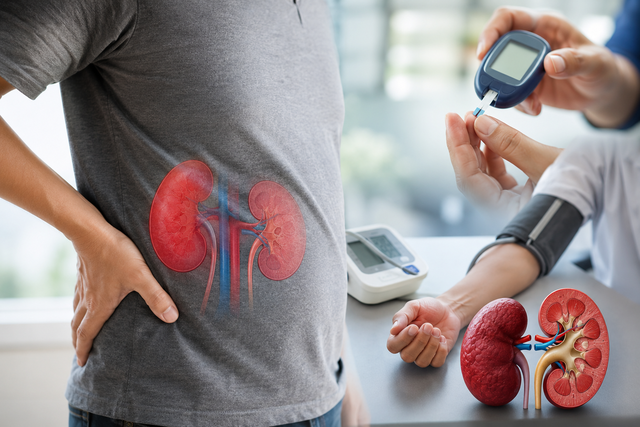
The kidneys are remarkably resilient organs, capable of compensating for damage long after their functional capacity has begun to wane. This resilience, however, is a double-edged sword. According to Dr. Srivatsa, a nephrology and transplant specialist at Apollo Hospital in India, a staggering number of patients do not exhibit any external symptoms until they have lost up to 80% of their kidney function. By the time signs like persistent fatigue, swelling in the extremities, or changes in urinary frequency appear, the disease has often reached an advanced stage.

The Hypertension-Diabetes Connection
Chronic Kidney Disease (CKD) does not occur in a vacuum; it is most frequently the result of long-term, poorly managed diabetes and hypertension. High blood sugar levels damage the millions of tiny filtering units (nephrons) within the kidneys, while high blood pressure causes the arteries around the kidneys to narrow, weaken, or harden. These damaged arteries cannot deliver enough blood to the kidney tissue, creating a vicious cycle where kidney damage further elevates blood pressure.
Proactive Screening Protocols
Given the "silent" nature of CKD, medical experts advocate for regular diagnostic testing, especially for those in high-risk categories. Two primary tests are essential:
- eGFR (Estimated Glomerular Filtration Rate): This blood test measures the level of creatinine to determine how well the kidneys are filtering waste.
- Urine Albumin Test: This checks for the presence of albumin, a protein that should remain in the blood. If protein is found in the urine, it is often the earliest sign of kidney damage.
Early detection allows for the implementation of ACE inhibitors or ARBs (angiotensin receptor blockers), medications that protect the kidneys while simultaneously managing blood pressure.
Nocturia: A Diagnostic Red Flag
Waking up multiple times during the night to urinate, a condition known as nocturia, is often dismissed as a natural consequence of aging or excessive fluid intake before bed. However, clinical evidence suggests that frequent nocturia can be a symptom of several serious underlying pathologies.
Cardiovascular and Renal Implications
In patients with heart failure or venous insufficiency, fluid tends to accumulate in the lower extremities during the day due to gravity. When the patient lies down at night, this fluid is redistributed into the bloodstream. The kidneys then work to filter this "excess" fluid, leading to increased urine production during sleeping hours. Thus, nocturia can be an early warning sign of an inefficient circulatory system.
Metabolic and Urological Triggers
Diabetes is another primary cause of nocturia. When blood glucose levels are high, the kidneys attempt to flush out the excess sugar through urine, a process known as osmotic diuresis. This leads to increased thirst and frequent urination both day and night. Additionally, urological issues such as an overactive bladder, urinary tract infections, or benign prostatic hyperplasia (BPH) in men can irritate the bladder lining or obstruct flow, necessitating frequent trips to the bathroom.
Global Health Implications and the Path Forward
The data provided by the World Health Organization (WHO) and various international health bodies paints a sobering picture of the future of non-communicable diseases (NCDs). Hypertension affects an estimated 1.28 billion adults worldwide, with the majority living in low- and middle-income countries where diagnostic resources are scarce. The economic burden of treating complications like stroke and kidney failure is immense, often costing healthcare systems billions of dollars annually in dialysis and long-term rehabilitative care.
The Shift Toward Preventive Medicine
There is a growing consensus among global health leaders that the focus must shift from reactive treatment to proactive prevention. This involves not only individual lifestyle changes but also systemic changes, such as clearer food labeling for sodium content and increased access to primary care screenings.
The WHO has also recently addressed the role of supplements, such as Vitamin D and Omega-3 fatty acids, in preventing cognitive decline and dementia. While these nutrients are essential for general health, experts emphasize that they cannot replace the foundational pillars of diet, exercise, and sleep. The holistic management of hypertension and kidney health is, therefore, the most effective strategy for ensuring a high quality of life into old age.
Conclusion
Managing the "silent" threats of hypertension and kidney disease requires a heightened level of self-awareness and a commitment to clinical screening. By understanding that walking is only a baseline and that salt intake, hydration, and sleep are the true regulators of vascular health, individuals can take control of their physiological destiny. Nocturia should not be ignored, and kidney function should not be assumed based on the absence of pain. In the modern era of medicine, the most powerful tool a patient possesses is information, and the most effective treatment is early intervention. As we look toward future health trends, the integration of these simple yet profound daily habits will remain the cornerstone of global longevity and wellness.