Ho Chi Minh City Party Secretary Tran Luu Quang Visits Families of Fallen Soldiers and War Heroes in Con Dao

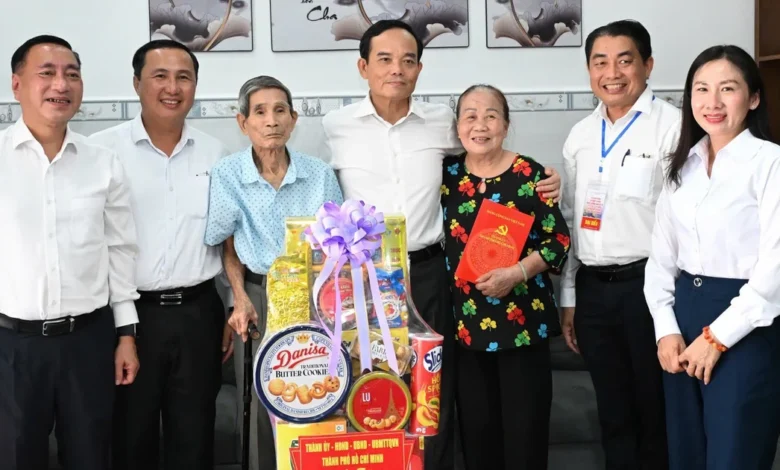
Ho Chi Minh City Party Secretary Tran Luu Quang visited families of fallen soldiers and war heroes in Con Dao on July 25th, marking the 79th anniversary of the Day of War Invalids and Martyrs. The visit underscored the city’s deep respect and gratitude for those who sacrificed their lives for national independence and reunification.
The delegation, led by Secretary Tran Luu Quang, included representatives from the Ho Chi Minh City Party Committee, the People’s Council, the People’s Committee, and the Vietnam Fatherland Front Committee of Ho Chi Minh City. Their itinerary focused on expressing profound appreciation and inquiring about the well-being of individuals and families who have made immense contributions to the nation’s struggle for freedom and peace.
A Solemn Commemoration and a Commitment to Remembrance
The visit coincided with the upcoming 79th anniversary of the Day of War Invalids and Martyrs, observed annually on July 27th. This significant date commemorates the founding of the Vietnamese People’s Army’s system of war invalids and martyrs on July 27, 1947, and serves as a national day of remembrance for the sacrifices made during various periods of conflict. Con Dao, with its poignant history as a site of political imprisonment and suffering, holds a particularly profound significance in this national narrative.
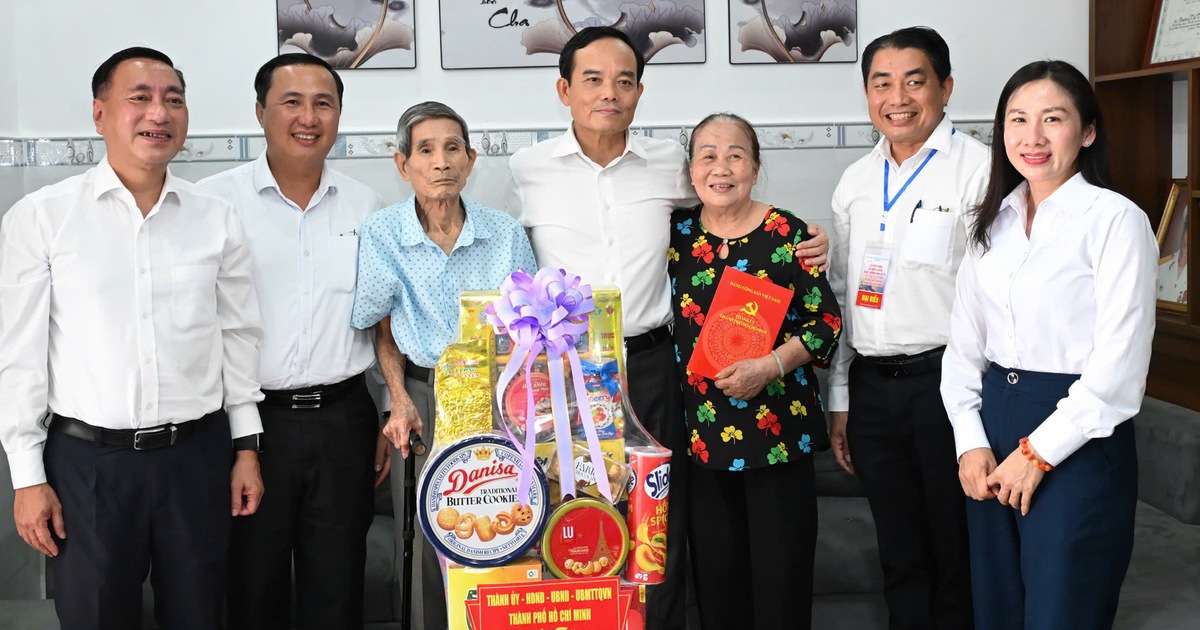
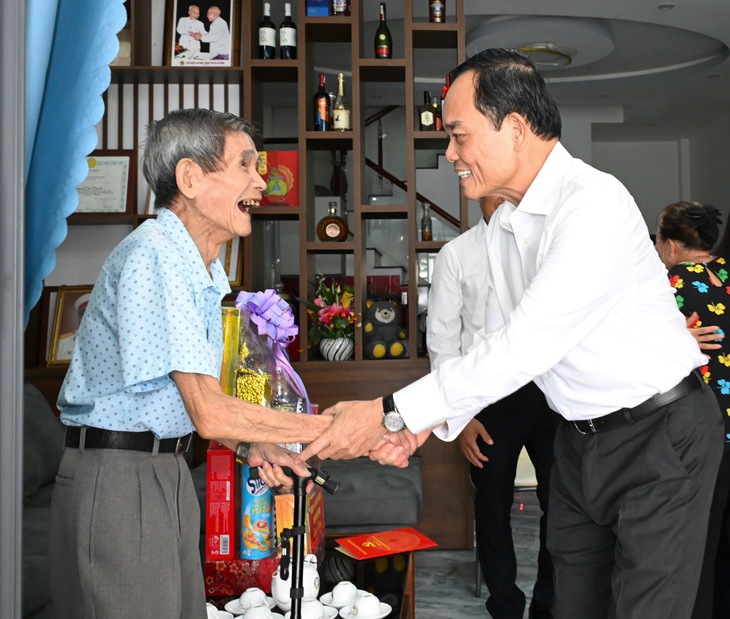
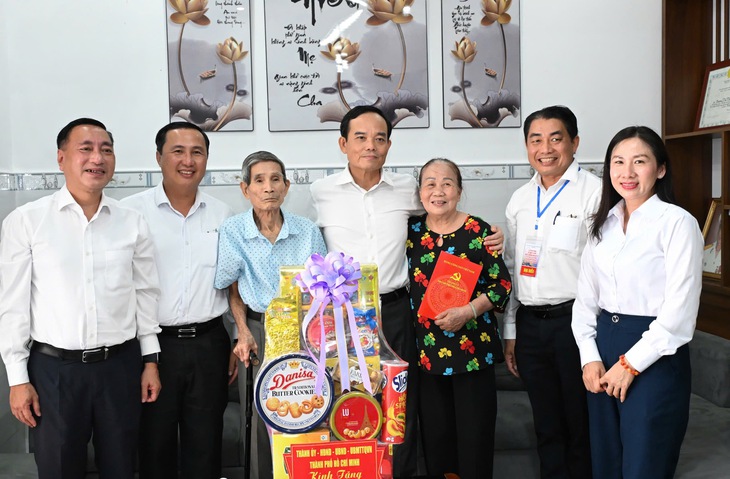
Secretary Tran Luu Quang and his delegation paid a heartfelt visit to Mr. Nguyen Xuan Vien, a war invalid born in 1944, who served as a soldier with a 4/4 disability rating and is a resident of Con Dao. The visit aimed to understand Mr. Vien’s health and living conditions, offering comfort and demonstrating the Party and State’s enduring commitment to caring for those who bore the brunt of war.

During the visit, Secretary Tran Luu Quang conveyed deep gratitude and respect for the immense sacrifices and contributions of war invalids, fallen soldiers, and their families. He emphasized that their contributions were instrumental in achieving the nation’s current peace and stability, and that their spirit of resilience and patriotism serves as an enduring inspiration. The Party Secretary also extended wishes for Mr. Vien’s continued good health and a peaceful life, encouraging him to continue being a role model for his family and future generations, embodying the noble spirit of revolutionary dedication.
Governmental Commitment to Supporting War Veterans and Families
The city leadership reiterated its commitment to prioritizing the welfare of war invalids, fallen soldiers’ families, and individuals with revolutionary contributions. Secretary Tran Luu Quang urged local authorities and government agencies to continue their efforts in providing comprehensive care for the material and spiritual well-being of these families. This commitment reflects a broader national policy aimed at acknowledging and repaying the debt of gratitude owed to those who fought for Vietnam’s sovereignty and independence.
The policy of caring for war invalids and martyrs’ families has been a cornerstone of Vietnam’s social welfare system since the nation’s reunification. This includes preferential treatment in healthcare, education, housing, and employment, as well as regular visits and material support. These initiatives are not merely symbolic; they represent a deeply ingrained cultural value that honors sacrifice and acknowledges the profound impact of war on individuals and society.
Mr. Nguyen Xuan Vien: A Life Dedicated to the Nation
Mr. Nguyen Xuan Vien’s story is representative of the many who dedicated their lives to the nation’s cause. He was conscripted into military service in Con Dao from 1970 to 1975. Following the liberation of the South and national reunification in 1975, Mr. Vien chose to remain in Con Dao, continuing to contribute to the local community. He currently lives a modest life as a war invalid, receiving support from the government.
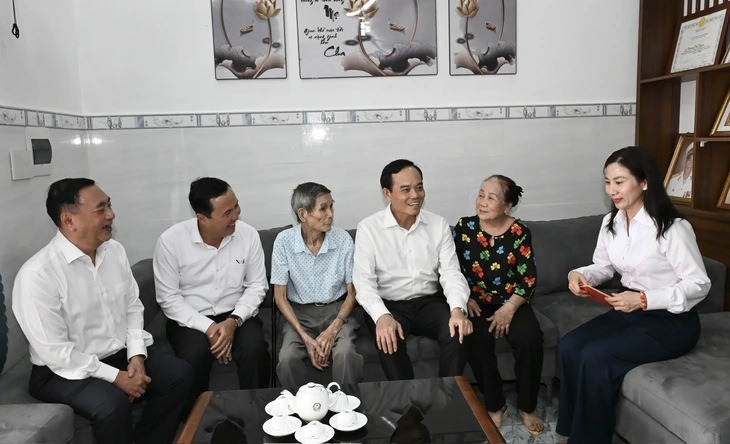
In 2011, Mr. Vien’s family received a house of gratitude, a testament to the government’s recognition of his service and sacrifice. His commitment to the nation is further exemplified by his family’s own history of revolutionary dedication. His mother, Nguyen Thi Te, born in 1949, is the younger sister of Vietnamese hero Duong Van Thang, who was also a martyr. This deep-rooted commitment to national service highlights the multi-generational dedication that has characterized many Vietnamese families throughout the country’s history.
Con Dao: A Symbol of Resilience and National Sacrifice
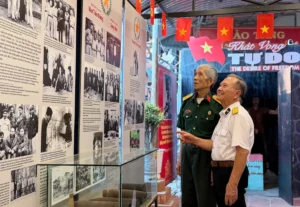
Con Dao, a district of Ba Ria-Vung Tau province, is an archipelago with a significant historical legacy intertwined with Vietnam’s struggle for independence. During French colonial rule and the subsequent American War, Con Dao served as a notorious prison island, holding thousands of Vietnamese political prisoners and revolutionary fighters. The island’s brutal conditions and the resilience of its inmates have made it a powerful symbol of national sacrifice and unwavering determination.
The visit to Con Dao by the Ho Chi Minh City Party Secretary carries added weight given the island’s historical context. It serves not only as a commemoration of the Day of War Invalids and Martyrs but also as a reminder of the sacrifices made on this very land. The presence of the city’s highest leadership on Con Dao underscores the importance of preserving the memory of these sacrifices and drawing lessons from the nation’s past.
A Mural Project Symbolizing National Unity
In addition to visiting war hero families, Secretary Tran Luu Quang also attended the inauguration of a mural project titled "Vietnam at the Heart of the Nation" in Con Dao. This artistic endeavor, located on Mai Tu Dau Street in Con Dao District, Ho Chi Minh City, aims to celebrate national unity and cultural heritage.
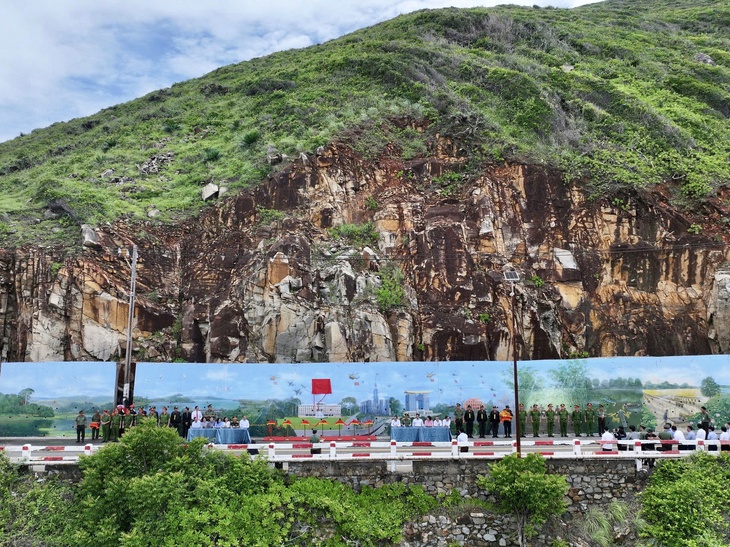
The mural project, themed "Vietnam united – pride of 34 provinces and cities," was attended by the delegation of Ho Chi Minh City’s leadership, including officials from various departments, sectors, and the Ho Chi Minh City Public Security. The mural itself stretches over 400 meters in length and covers an area of 1,300 square meters. It visually represents the spirit of national unity and cultural richness of all 34 provinces and cities across Vietnam, serving as a vibrant testament to the nation’s collective identity.
This significant undertaking is part of a series of activities commemorating the 79th anniversary of the Day of War Invalids and Martyrs. It also contributes to the broader national narrative of remembrance and national pride, aligning with the upcoming 80th anniversary of the traditional day of the People’s Public Security forces and the National Day of Vietnam. The mural project is designed to foster a deeper appreciation for the nation’s history and cultural diversity, reinforcing the bonds of solidarity among its people.
The concurrent events – the visit to war hero families and the inauguration of the mural project – demonstrate Ho Chi Minh City’s multifaceted approach to honoring its past while embracing its future. They highlight the enduring commitment to remembering those who sacrificed for Vietnam’s freedom and the proactive efforts to foster national unity and cultural pride among its citizens. Secretary Tran Luu Quang’s visit to Con Dao served as a powerful affirmation of these core values, reinforcing the city’s dedication to its people and its historical legacy.