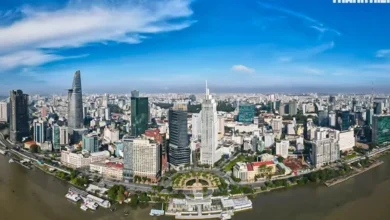
Former Techcombank CEO Nguyễn Lê Quốc Anh Appointed Eximbank Chairman Amidst Major Leadership Reshuffle

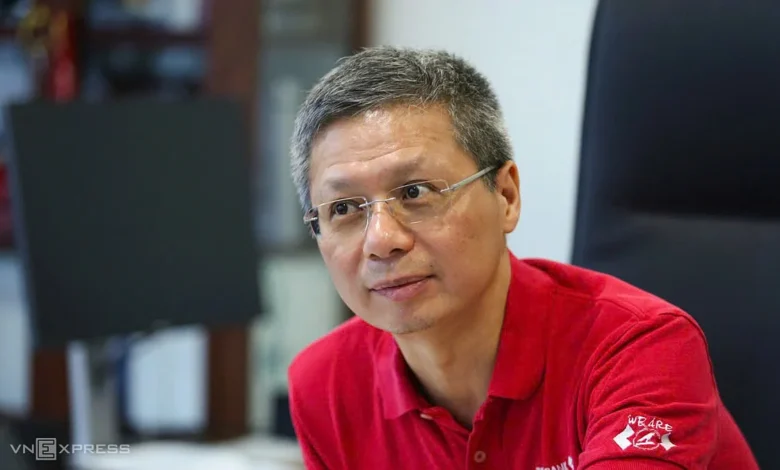
HANOI, Vietnam – In a pivotal move signaling a new strategic direction, Eximbank (Vietnam Export Import Commercial Joint Stock Bank) has announced the appointment of Mr. Nguyễn Lê Quốc Anh, formerly the CEO of Techcombank, as its new Chairman. The decision, made during an extraordinary general meeting of shareholders on July 24, 2026, also saw a significant overhaul of the bank’s leadership, with a substantial number of new board members, predominantly foreign nationals, joining the ranks. This comprehensive leadership restructuring underscores Eximbank’s commitment to revitalizing its operations and enhancing its governance framework following a period of underperformance and internal challenges.
A New Era Dawns at Eximbank with Seasoned Leadership
The appointment of Mr. Nguyễn Lê Quốc Anh marks a critical juncture for Eximbank. Mr. Quốc Anh, widely recognized for his transformative leadership at Techcombank, steps into the role previously held by Ms. Phạm Thị Huyền Trang. His appointment is not merely a change in personnel but reflects a strategic intent to inject fresh perspectives, international best practices, and robust operational expertise into the bank’s core. In addition to his new position as Chairman, Mr. Quốc Anh will also serve as an independent board member and the bank’s legal representative, consolidating his authority and responsibility in guiding Eximbank through its next phase of growth and development. The extraordinary nature of the general meeting itself highlights the urgency and importance placed on these leadership changes by the bank’s shareholders.
Strategic Overhaul: A Diverse and Experienced Board
The leadership reshuffle extends beyond the Chairman’s office. Eximbank has notably appointed four new independent board members, all of whom are foreign nationals, signaling a clear push towards internationalization and enhanced corporate governance. These highly experienced professionals include Ms. Richa Goswami, Ms. Ooi Huey Tyng, Mr. Chua Teck Huat Bill, and Mr. Michael Richard Harte. Each brings over three decades of distinguished experience in the financial and banking sectors, encompassing diverse areas such as strategic planning, risk management, digital transformation, and international finance. Their collective expertise is expected to play a crucial role in modernizing Eximbank’s operations, aligning its strategies with global standards, and fostering a more resilient and competitive institution.
Further strengthening the bank’s oversight, Mr. Nguyễn Quốc Hùng has been appointed as the new Head of the Supervisory Board, also serving as a member of the Supervisory Board. This comprehensive intake means that all six new key personnel – the Chairman, the four independent foreign board members, and the Head of the Supervisory Board – are fresh faces at Eximbank, having not previously served at the institution. This complete refreshment of the top leadership layers suggests a decisive break from past practices and a strong mandate for transformative change from the shareholders. The emphasis on independent and internationally experienced members is particularly noteworthy, indicating a desire to mitigate past governance issues and instill a culture of transparency and accountability.
The Architect of Transformation: Nguyễn Lê Quốc Anh’s Distinguished Career
Mr. Nguyễn Lê Quốc Anh is perhaps best known for his impactful tenure as the CEO of Techcombank from 2016 to 2020. During his leadership, Techcombank underwent a significant transformation, evolving into one of Vietnam’s leading commercial banks, recognized for its robust financial performance, aggressive digital strategy, and customer-centric approach. Under his guidance, Techcombank consistently reported strong profit growth, expanded its market share, and achieved notable improvements in operational efficiency and asset quality. He was instrumental in driving the bank’s digital agenda, introducing innovative products and services that resonated with a growing tech-savvy customer base. His success at Techcombank cemented his reputation as a visionary leader capable of executing large-scale organizational change and delivering tangible results in a competitive banking landscape.
Born in 1966, Mr. Quốc Anh brings a unique blend of academic rigor and extensive international corporate experience to Eximbank. He holds a Ph.D. in Nuclear Engineering from Purdue University in Indiana, USA, and a Master’s degree from California State University, USA. While seemingly disparate from banking, his background in nuclear engineering speaks to a highly analytical and problem-solving mindset, crucial for navigating the complexities of modern finance. Before his impactful role at Techcombank, Mr. Quốc Anh held several high-level management positions at prestigious global corporations and financial institutions. His career trajectory includes leadership roles at T-Mobile US, a major telecommunications company, Wells Fargo Bank, one of America’s largest financial services companies, Fortress Investment Group, a diversified global investment firm, and McKinsey & Company, a leading global management consulting firm. This diverse professional background, spanning technology, banking, investment, and strategic consulting, equips him with a broad strategic perspective and a deep understanding of operational excellence, risk management, and market dynamics.
His return to the financial sector follows a brief reappearance in the market in late 2022 when he was appointed as a board member for VNG Corporation, a leading Vietnamese technology company. However, he resigned from VNG after only three months. Currently, he serves as the CEO of One Globe Consulting Group, a role that has kept him actively engaged in strategic advisory and leadership development. This rich tapestry of experience, particularly his proven track record in transforming a major Vietnamese bank and his exposure to international best practices, makes him an exceptionally well-suited candidate to spearhead Eximbank’s turnaround efforts.
Eximbank’s Recent Performance and the Imperative for Change
The leadership changes come at a critical time for Eximbank, which has reported a challenging financial performance in the first half of 2026. The bank’s pre-tax profit for H1 2026 stood at VND 730 billion, representing a significant decline of over 50% compared to the same period last year. This sharp drop in profitability underscores the urgent need for strategic intervention and operational improvements.
As of the end of the second quarter, Eximbank’s total assets reached VND 266.5 trillion, a decrease of approximately VND 6 trillion from the year-end figure. While total deposits amounted to VND 192.6 trillion, its outstanding loans exceeded VND 200 trillion. Despite the profit decline, the bank managed to keep its non-performing loan (NPL) ratio at 2.88%, which is below the 3% target set by the bank. While maintaining the NPL ratio below the target is positive, the overall financial picture, particularly the significant profit contraction, indicates underlying challenges that the new leadership will need to address proactively. These challenges likely include intense competition in the Vietnamese banking sector, potentially higher provisioning needs, slower credit growth, and pressure on net interest margins. The reduction in total assets also points to a need for more efficient asset utilization and potentially a re-evaluation of its investment and lending strategies.
Historical Context: Navigating Years of Turbulence
Eximbank has a storied history in Vietnam’s banking sector, once considered a top-tier commercial bank. However, in recent years, it has been plagued by a series of internal conflicts, governance issues, and frequent changes in its top leadership. These instabilities have often hindered the bank’s ability to implement long-term strategies, eroded investor confidence, and contributed to its lagging performance compared to its peers. The lack of a consistent strategic vision and the disruptive nature of internal power struggles have prevented Eximbank from fully capitalizing on Vietnam’s robust economic growth and the expanding financial services market. The frequent rotation of chairmen and CEOs created a vacuum in leadership, making it difficult to establish and execute stable business plans. This history of turbulence makes the current comprehensive leadership overhaul particularly significant, as it aims to provide the stability and direction that the bank has sorely lacked. Shareholders and market observers will be keenly watching whether this new, diverse, and experienced board can finally steer Eximbank towards sustained stability and growth.
Gelex’s Strategic Investment and the Path Forward
A notable development preceding these leadership changes was the entry of Gelex Group as a significant shareholder. In July 2025, Gelex Group, a diversified industrial and investment conglomerate, first appeared on Eximbank’s shareholder list with a stake exceeding 1%. Since then, Gelex has solidified its position as the largest investor in Eximbank, holding a substantial 10% ownership. Gelex’s strategic investment has been widely interpreted as a catalyst for the bank’s ongoing restructuring efforts. Following Gelex’s emergence as a major stakeholder, Eximbank embarked on a comprehensive restructuring program. This initiative included a notable decision to relocate its headquarters from Ho Chi Minh City, the traditional financial hub, to Hanoi earlier this year. This move is symbolic of a broader strategic reorientation, potentially aimed at closer alignment with national economic policies and greater access to a different investor base and talent pool. Gelex’s influence, combined with the new leadership, is expected to drive a more disciplined and strategic approach to capital allocation, risk management, and business development.
Charting a New Course: Challenges and Opportunities
The new leadership, under Mr. Nguyễn Lê Quốc Anh, faces a formidable task. Their immediate challenges include restoring investor and public confidence, improving the bank’s profitability, accelerating digital transformation initiatives, and resolving any lingering legacy issues that have hampered its growth. The competitive landscape of Vietnamese banking is intense, with both state-owned and private banks aggressively expanding their services and digital capabilities. Eximbank will need to carve out a distinct competitive advantage, potentially by leveraging the international expertise of its new board members to enhance its trade finance capabilities, develop innovative products, or refine its risk assessment frameworks.
However, the opportunities are equally significant. With a stable and experienced leadership team, backed by a major strategic investor like Gelex, Eximbank is poised to leverage its established brand and customer base. Mr. Quốc Anh’s track record at Techcombank suggests a focus on customer-centricity, technological innovation, and data-driven decision-making, which could revitalize Eximbank’s market position. The presence of independent foreign board members with deep industry experience is expected to foster a culture of strong corporate governance, bringing Eximbank closer to international best practices in areas such as compliance, transparency, and strategic planning. This move could also unlock new partnerships and investment opportunities for the bank.
Market Reaction and Future Outlook
The market’s reaction to these changes will be closely watched. Analysts are likely to view the appointment of Mr. Nguyễn Lê Quốc Anh and the highly experienced international board as a strong positive signal, indicating a serious commitment to turning the bank around. Investors, who have been cautious due to Eximbank’s past instabilities, may find renewed confidence in the bank’s strategic direction. The combined experience of the new leadership, particularly Mr. Quốc Anh’s proven ability to drive growth and transformation, coupled with the strategic backing of Gelex, suggests a potential for significant improvements in Eximbank’s operational efficiency and financial performance in the coming years.
The restructuring at Eximbank could also signal a broader trend within the Vietnamese banking sector, where greater emphasis is being placed on robust corporate governance, the infusion of international expertise, and strategic shifts to adapt to a rapidly evolving financial landscape. As Vietnam continues its economic development, banks like Eximbank will be under increasing pressure to modernize, innovate, and adhere to higher standards of transparency and efficiency. The new leadership at Eximbank is tasked with not just reversing its recent fortunes but also positioning it as a resilient and forward-looking institution capable of thriving in a dynamic global economy. The journey ahead will undoubtedly be challenging, but with this significant leadership overhaul, Eximbank appears to be charting a clear course towards a more stable and prosperous future.