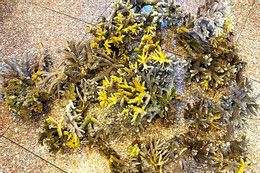
Nha Trang, Vietnam – July 19 – The Management Board of Nha Trang Bay has issued fines to two tourists from Dong Nai province for illegally collecting coral, a protected marine species. The individuals, identified as Mr. V.V.B. and Mr. V.V.Y., were apprehended after they were found to be in possession of approximately 10.5 kilograms of live coral. The coral in question belongs to the Acropora genus, a type of branching coral known for its vibrant, reef-building structures that resemble deer antlers or staghorn. This species falls under Group II of endangered, rare, or protected aquatic species, and is also listed under Appendix II of CITES (Convention on International Trade in Endangered Species of Wild Fauna and Flora), signifying its vulnerable status and the need for strict trade regulations.
The penalties imposed are significant, with each individual facing a fine of 25 million Vietnamese Dong (approximately $1,000 USD). The total fine for the pair amounts to 50 million Vietnamese Dong (approximately $2,000 USD). This decisive action underscores the commitment of local authorities to protect Nha Trang’s fragile marine ecosystems, which are vital for both ecological health and the region’s thriving tourism industry.
Background of the Incident
The incident unfolded on July 18th when a group of approximately ten tourists from Dong Nai province arrived in Nha Trang for a vacation. They were staying at a hotel in the Hon Chong area of Nha Trang. On the afternoon of July 18th, the group visited Hon Chong beach for swimming. Following their swim, Mr. V.V.B. and Mr. V.V.Y. proceeded to collect coral fragments, intending to take them home as souvenirs. Their actions were reportedly driven by a lack of awareness regarding the protected status of the coral and the environmental significance of the Hon Chong area.

Local authorities, alerted to the situation, intervened and discovered the substantial quantity of coral being removed. The collected coral, identified as approximately 10.5 kilograms of live branching coral (Acropora), was seized. This specific type of coral is crucial for the formation of extensive reefs and is characterized by its complex, branching structures. The act of damaging or removing such corals is a serious offense, as it directly contributes to the degradation of vital marine habitats.
The Ecological Significance of Hon Chong’s Coral Reefs
The Hon Chong area, where the coral was collected, is home to a significant coral reef ecosystem spanning approximately 11 hectares. Coral reefs are often referred to as the "rainforests of the sea" due to their incredible biodiversity and the critical role they play in supporting marine life. They provide essential habitats, breeding grounds, and nurseries for an estimated 25% of all marine species. Furthermore, healthy coral reefs act as natural barriers, protecting coastlines from storm surges and erosion.
The specific type of coral removed, Acropora, is a particularly important reef-builder. These corals create the complex three-dimensional structures that provide shelter and food for countless fish and invertebrates. The destruction of these structures can have cascading negative effects throughout the marine food web.
Official Response and Investigation
Following the discovery, the Management Board of Nha Trang Bay, in collaboration with relevant law enforcement agencies, immediately launched an investigation. The Board confirmed the species of coral and the weight of the confiscated material. Officials worked with the tourists to understand the circumstances surrounding their actions, emphasizing the environmental regulations in place.

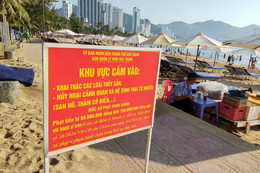
The incident also prompted a broader review of conservation efforts in the area. The Nha Trang Bay Management Board has been actively working to protect the marine environment, including implementing regulations for tourist activities. In the past, efforts have been made to designate protected zones and educate visitors about responsible tourism practices. For instance, from May to August each year, the authorities typically demarcate temporary no-fishing zones in the Hon Chong area to mitigate damage to the sensitive ecosystem. This incident highlights the ongoing challenges in enforcing these regulations and the need for continuous public awareness campaigns.
Broader Implications for Marine Conservation in Vietnam
This case serves as a stark reminder of the threats facing marine ecosystems worldwide, particularly in popular tourist destinations like Nha Trang. The removal of coral, even for seemingly innocuous reasons like souvenirs, can have devastating long-term consequences. The economic implications for Vietnam are also considerable. Nha Trang is a major hub for international tourism, with its pristine beaches and vibrant underwater world being primary attractions. The degradation of these natural assets could significantly impact the tourism sector, a crucial contributor to the national economy.
The CITES Appendix II listing of Acropora coral signifies its international recognition as a species requiring protection. Violations of CITES regulations can lead to severe penalties, not only domestically but potentially impacting international trade and conservation collaborations.
Expert Analysis and Future Outlook
Marine biologists and conservationists have consistently highlighted the vulnerability of coral reefs to human activities. Dr. Le Thi Minh, a marine ecologist at the Institute of Oceanography in Nha Trang, commented on the importance of such enforcement actions. "Every piece of live coral removed represents a loss for the ecosystem. These corals grow slowly, and their destruction can take decades, if not centuries, to recover. Education is key, but strong enforcement sends a clear message that such actions will not be tolerated."
The incident also brings to light the need for enhanced public education initiatives. While these tourists may have acted out of ignorance, the widespread availability of information regarding protected species and environmental regulations is crucial. Tourist operators, hotels, and local authorities all play a role in disseminating this information to visitors.
Looking ahead, the Nha Trang Bay Management Board is expected to continue its vigilance in protecting the marine environment. Further measures may include increased patrols in sensitive areas, more prominent signage regarding protected species, and potentially enhanced educational programs for tourists upon arrival. The long-term health of Nha Trang’s coral reefs depends on a collective effort involving authorities, local communities, and, crucially, responsible tourism practices by visitors from both within Vietnam and abroad. The fines levied in this case represent a significant step in reinforcing the message that the preservation of these natural wonders is a paramount concern.
Government and Local Community Response
The proactive response from the Nha Trang authorities has been met with approval from environmental groups and local residents who rely on the health of the bay for their livelihoods. "We are glad to see the authorities taking this seriously," stated Nguyen Van Hung, a local fisherman. "The coral reefs are not just beautiful; they are essential for the fish populations that we depend on. Damaging them hurts everyone in the long run."
The Vietnamese government has increasingly recognized the importance of environmental protection and sustainable tourism. Policies are being developed to balance economic growth with the preservation of natural resources. The enforcement action in Nha Trang aligns with these broader national objectives. The Vietnamese Ministry of Natural Resources and Environment has previously issued directives aimed at strengthening the protection of marine biodiversity, including coral reefs, in coastal areas across the country.
The Management Board of Nha Trang Bay is also exploring initiatives to restore damaged reef areas. These efforts often involve coral nurseries and transplantation projects, aiming to replant coral fragments in degraded sections of the reef. However, these restoration efforts are costly and time-consuming, underscoring the importance of preventing damage in the first place.
Conclusion
The fines imposed on the two tourists in Nha Trang for collecting coral serve as a critical warning. The act, though perhaps perceived as a minor transgression by those involved, carries significant environmental and legal consequences. It highlights the ongoing challenge of balancing tourism development with the urgent need for marine conservation. The rich biodiversity of Nha Trang’s coral reefs is a precious natural heritage that requires collective responsibility for its protection. Future visitors are urged to be mindful of local regulations and to appreciate the marine environment without disturbing it, ensuring that these underwater treasures can be enjoyed by generations to come.