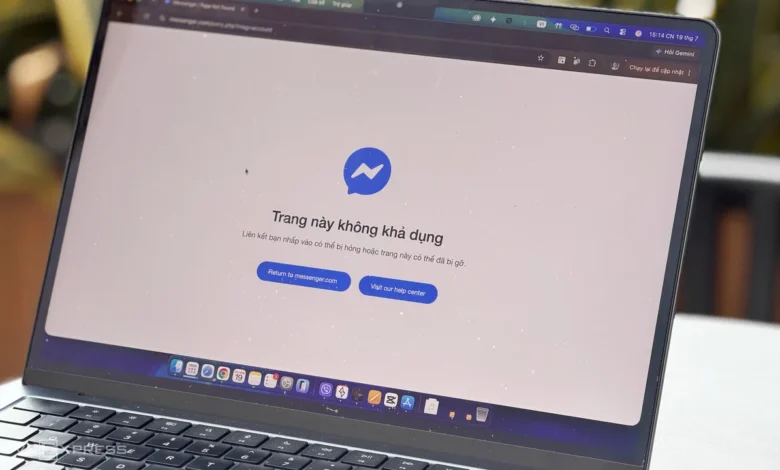
On July 19, 2026, users worldwide encountered significant disruptions accessing Facebook and Messenger through web browsers. While mobile applications for these platforms largely remained operational, the inability to reach the desktop versions of these core Meta services caused widespread frustration and concern. The outage, which began around 2:30 PM Vietnam time, prevented many users from conducting work-related communications and accessing personal accounts, sparking initial fears of account compromise or cyberattacks.
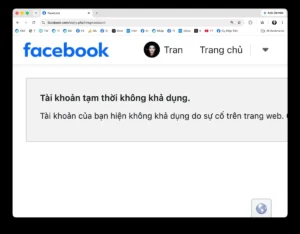
One affected user, Nguyen Hoang from Hanoi, described his experience: "I tried to log into Facebook on my computer to check work messages, but I kept getting a notification saying, ‘Your account is temporarily unavailable because the website is experiencing technical difficulties.’ I repeatedly tried to log in again, but the error message persisted. At first, I worried my account had been locked or hacked." It was only after attempting to access the services via his smartphone app that Hoang realized the issue was not isolated to his account but a broader system failure. "When I tried the mobile app, I found out my account was still functioning normally. It was then I understood the problem was with the website itself," he added.
Timeline of the Outage
The widespread reporting of issues began to surge around 2:39 PM Vietnam time on July 19, 2026, according to data from Downdetector, a website that monitors service outages. Within minutes, the platform registered a sharp increase in user-reported problems. By 3:00 PM, Downdetector indicated over 3,000 reports related to Facebook, with a significant majority—61%—specifically citing an inability to access the Facebook website. The remaining reports indicated login issues on mobile devices.
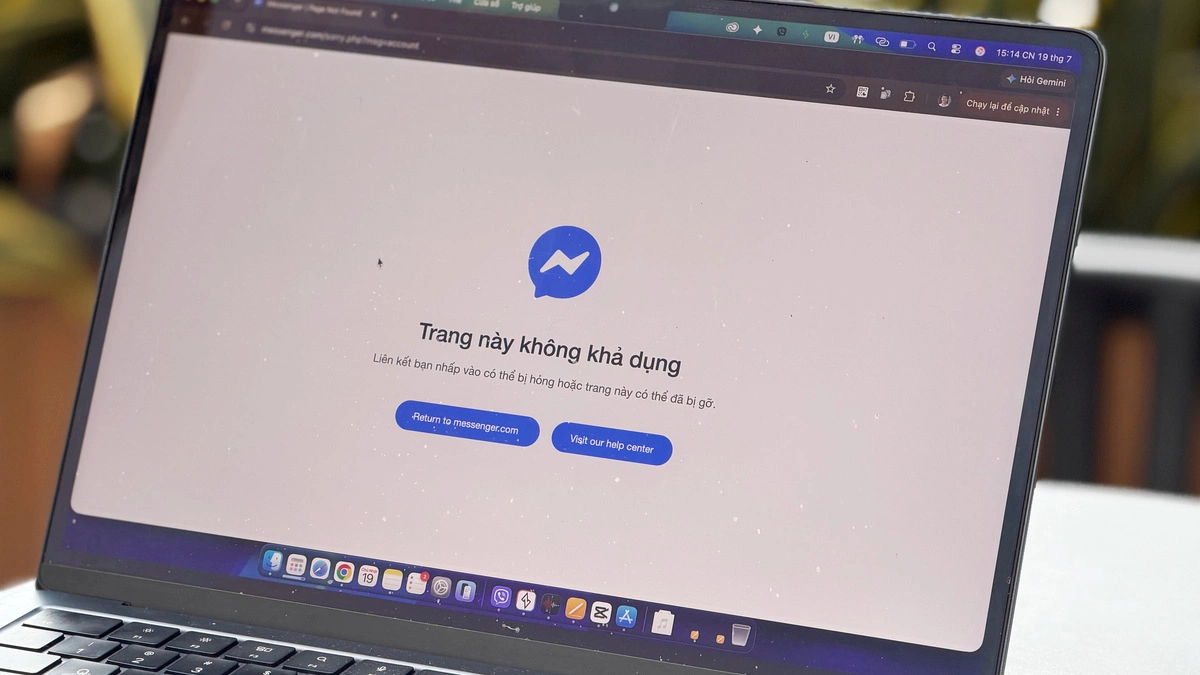
Users took to other social media platforms, including X (formerly Twitter) and Threads, to voice their concerns and share their experiences. Many reported encountering messages such as "temporarily unavailable" or "link may be broken or the page may have been removed" when attempting to access Facebook via their web browsers. These messages, while indicating a technical problem, did little to alleviate user anxiety, especially given the critical role Facebook and Messenger play in daily communication for millions.
Scope and Impact of the Disruption
The outage was not confined to Vietnam; reports of similar issues emerged from users across the globe. Downdetector’s real-time data illustrated a global surge in outage reports impacting Meta’s flagship platforms. While Facebook and Messenger were the primary services affected, other Meta products, such as Instagram and Threads, appeared to remain largely unaffected, operating normally and allowing users to post, view content, and communicate. This selective impact on web access for Facebook and Messenger further fueled speculation about the specific nature of the technical malfunction.
The inability to access Facebook and Messenger via web browsers had tangible consequences for a wide range of users. For many, these platforms serve as essential tools for professional communication, business operations, and staying connected with colleagues. Small business owners who rely on Facebook pages for customer interaction and marketing found their communication channels disrupted. Individuals who use Facebook for managing events, sharing important updates with family and friends, or accessing group activities were similarly hampered. The psychological impact of being disconnected from a primary digital communication hub also contributed to user frustration.
Analysis of the Technical Difficulties
The specific nature of the technical difficulties remained unclear immediately following the incident. The error messages reported by users, such as "temporarily unavailable" and "link may be broken," suggest a problem with the web server infrastructure or the network pathways responsible for delivering the website content to users. Unlike a complete server shutdown, these messages imply that some backend processes might have been operational, but the front-end interface was inaccessible.
Several factors could contribute to such widespread web outages. These include:
- Server Overload: A sudden, massive surge in traffic that exceeds the capacity of the web servers can lead to inaccessibility.
- Network Configuration Errors: Misconfigurations in the Domain Name System (DNS) or routing protocols can prevent users from reaching the correct servers.
- Software Bugs: A recent software update or a persistent bug in the web application code could trigger unexpected failures.
- Infrastructure Failures: Issues with data centers, power supply, or critical network hardware could also be the root cause.
- Cybersecurity Incidents: While less common for such specific website inaccessibility, denial-of-service (DoS) or distributed denial-of-service (DDoS) attacks can also disrupt web services. However, the fact that mobile apps remained functional makes a widespread DDoS attack less likely as the sole cause.
The fact that mobile applications were unaffected suggests that the issue was primarily related to the web-based delivery mechanism of Facebook and Messenger, rather than the core services themselves. This could indicate a problem with the content delivery network (CDN) for the web versions, or specific issues with the web servers hosting the desktop experience.
Previous Incidents and Context
This outage on July 19, 2026, was not an isolated event for Meta. The company has experienced several significant service disruptions in the past, underscoring the challenges of maintaining the stability of its vast global infrastructure. Most notably, on October 4, 2021, Facebook, Instagram, and WhatsApp experienced a prolonged outage that lasted for nearly six hours. This incident was attributed to a "faulty configuration change" that affected the company’s internal DNS systems, preventing its services from being found on the internet. The scale of that outage highlighted the interconnectedness of Meta’s platforms and the potential for cascading failures.
Earlier in 2026, in March, Facebook, Messenger, and Instagram also experienced a period of instability. During that incident, which lasted for about an hour, users reported being logged out of their accounts and being unable to log back in. This was followed by widespread reports of being unable to access feeds or send messages. Meta eventually confirmed that the issues were related to "technical difficulties."
These recurring incidents raise questions about the robustness of Meta’s infrastructure and its ability to effectively manage its complex network of services. While the company invests heavily in its technology and employs a large team of engineers, the sheer scale of its user base and the constant evolution of its platforms present ongoing challenges. Each outage, regardless of its cause, has a ripple effect on users and businesses worldwide, emphasizing the critical need for resilient and reliable digital infrastructure.
Official Response and User Reactions
As of the time of reporting, Meta had not issued a detailed official statement explaining the specific cause or scope of the July 19, 2026, outage. The company’s typical response in such situations involves acknowledging the issue and stating that engineers are working to resolve it. The lack of immediate, detailed information often exacerbates user frustration, leading to increased speculation and concern on alternative platforms.
User reactions ranged from mild annoyance to significant inconvenience. Many expressed their reliance on Facebook and Messenger for daily life, highlighting the impact of such disruptions. Some users also took the opportunity to critique Meta’s platform stability, questioning the company’s ability to maintain reliable services despite its immense resources. The recurring nature of these outages has led to a degree of user fatigue and a growing demand for greater transparency and accountability from the tech giant.
Broader Implications and Analysis
The widespread web outage affecting Facebook and Messenger has several broader implications:
- Dependency on Social Media: The incident starkly illustrates the profound dependency modern society has developed on social media platforms for communication, information, and commerce. When these platforms falter, the disruption can be significant, impacting personal lives, businesses, and even critical information dissemination.
- Infrastructure Resilience: For a company of Meta’s stature, maintaining constant uptime is paramount. Recurring outages suggest potential vulnerabilities in their infrastructure management, crisis response, or system update protocols. This raises concerns for investors, regulators, and the public about the stability of services that have become integral to global connectivity.
- Competition and Alternatives: While Facebook and Messenger remain dominant forces, such widespread outages can create opportunities for competitors. Users seeking more reliable communication channels might explore alternative platforms, potentially leading to a diversification of the social media landscape in the long term.
- Economic Impact: Businesses that rely heavily on Facebook for marketing, sales, and customer service face direct economic losses during such outages. The inability to reach customers or manage online storefronts can result in lost revenue and damage to brand reputation.
- Cybersecurity Preparedness: While the outage was not immediately confirmed as a cyberattack, it underscores the need for robust cybersecurity measures. The interconnectedness of digital services means that a successful attack on one platform could have far-reaching consequences.
As of the evening of July 19, 2026, reports indicated that web access to Facebook and Messenger was gradually being restored. However, Meta’s official communication regarding the root cause and preventative measures remains anticipated. The incident serves as a potent reminder of the fragility of our increasingly digital world and the critical importance of reliable and secure online infrastructure. The company’s response and future actions will be closely watched by users, industry experts, and regulatory bodies alike.
The Road Ahead
Meta’s ability to address the underlying causes of these recurring outages will be crucial for regaining user trust and maintaining its dominant market position. Transparency in their post-mortem analysis and concrete steps to enhance infrastructure resilience will be key. The incident also highlights the ongoing debate about platform monopolies and the potential benefits of a more diversified and competitive digital ecosystem, where the failure of a single entity has less catastrophic global impact. The coming days and weeks will likely see further analysis of the incident and continued pressure on Meta to ensure the stability of its essential communication services.
Lưu Quâ