The U.S. Navy’s Littoral Combat Ship Program Faces an Uncertain Future Amidst Escalating Costs and Dismantlement

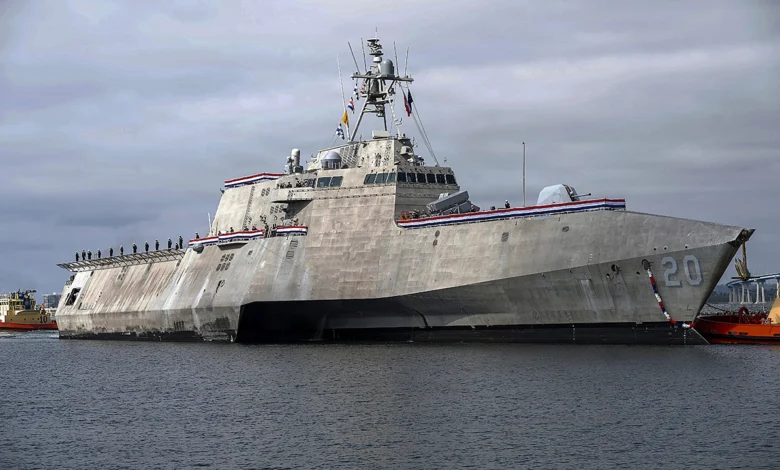
The decommissioning of the USS Cleveland, the final vessel in a planned fleet of 35 Littoral Combat Ships (LCS), marks a significant juncture for a program once heralded for its innovative design and potential to revolutionize naval warfare. While Navy officials, including Admiral Michael High, Chief of Naval Operations, have lauded the LCS as "lean, lethal, and powerful," a growing chorus of critics and analyses suggest the program has become a costly experiment with a questionable future, raising serious questions about its efficacy and the substantial financial investment.
A Program Fraught with Challenges
The LCS program, initiated in 2004, was conceived to address the Navy’s need for agile, adaptable vessels capable of operating in littoral environments – the coastal areas where much of modern conflict occurs. The aim was to replace larger, more traditional frigates and patrol craft with smaller, faster, and more cost-effective ships that could perform a variety of missions, including mine countermeasures, anti-submarine warfare, and surface warfare. The vision was for a versatile platform that could be rapidly reconfigured for different roles, ensuring the Navy’s dominance in shallow waters and providing a potent presence in strategically important regions, including the Indo-Pacific.
However, the journey from conception to the current state of affairs has been anything but smooth. The program has been plagued by escalating costs, design complexities, and persistent operational issues, leading many to question whether the LCS has delivered on its initial promise. The decommissioning of the USS Cleveland, the last of the contracted 35 ships, signifies not an end to the program but rather a stark assessment of its trajectory and the significant financial outlay it has represented.
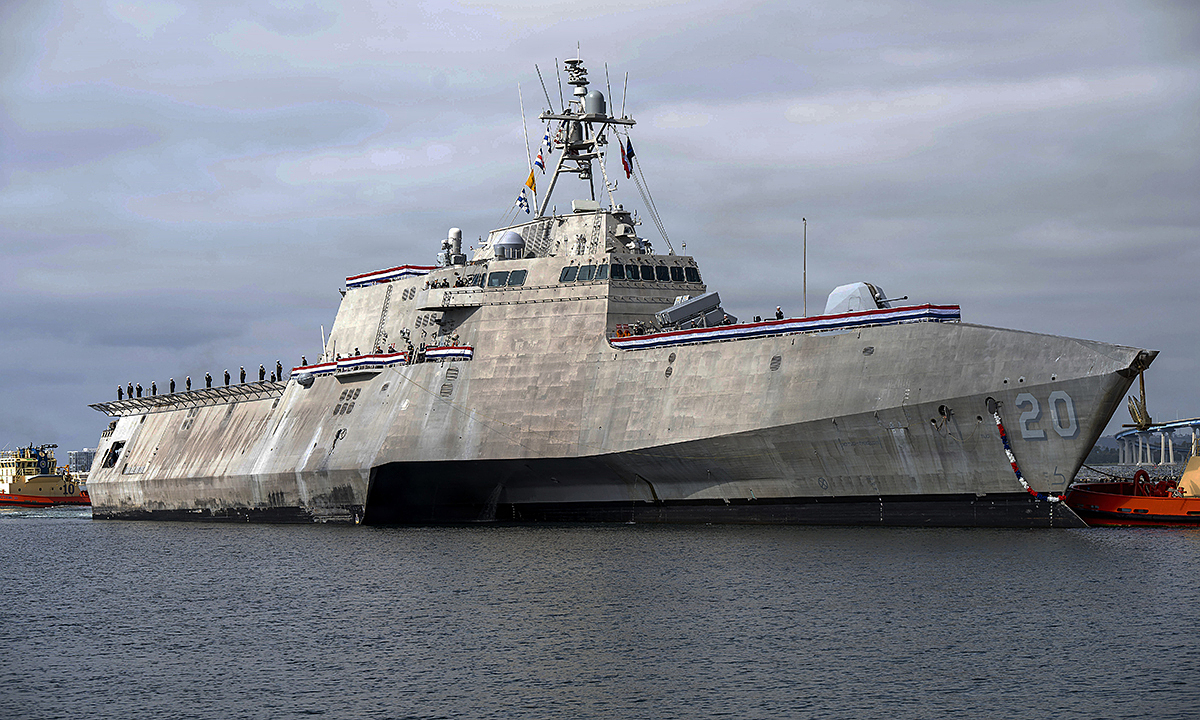
Escalating Costs and Criticisms
The financial burden of the LCS program has been a persistent point of contention. Estimates of the total program cost vary, but reports from CNN suggest an initial projected cost of $60 billion. However, ProPublica, a renowned investigative journalism outlet, has placed the final cost closer to $100 billion. This staggering figure represents one of the most expensive procurement failures in U.S. military history, according to ProPublica, underscoring the significant fiscal implications of the program’s shortcomings. The substantial investment, coupled with the perceived lack of return, has fueled considerable public and congressional scrutiny.
In the comment sections of official Navy announcements regarding the LCS, a torrent of criticism has emerged. Many users have decried the ships as "money pits" and labeled the entire endeavor a "failed experiment." This sentiment reflects a broader public disillusionment with defense spending that appears to yield suboptimal results, especially when compared to the perceived unmet needs of national security.
Design and Operational Hurdles
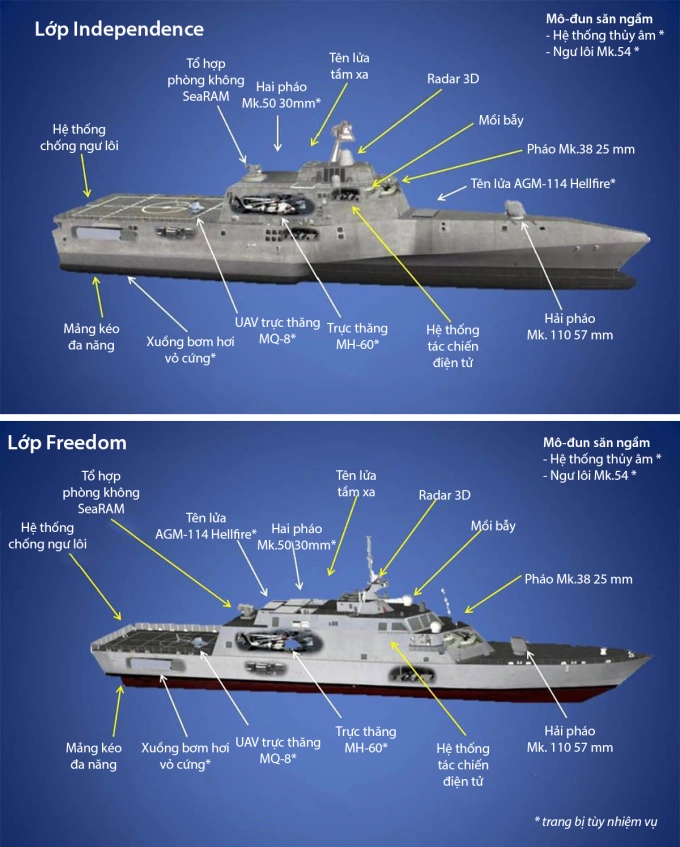
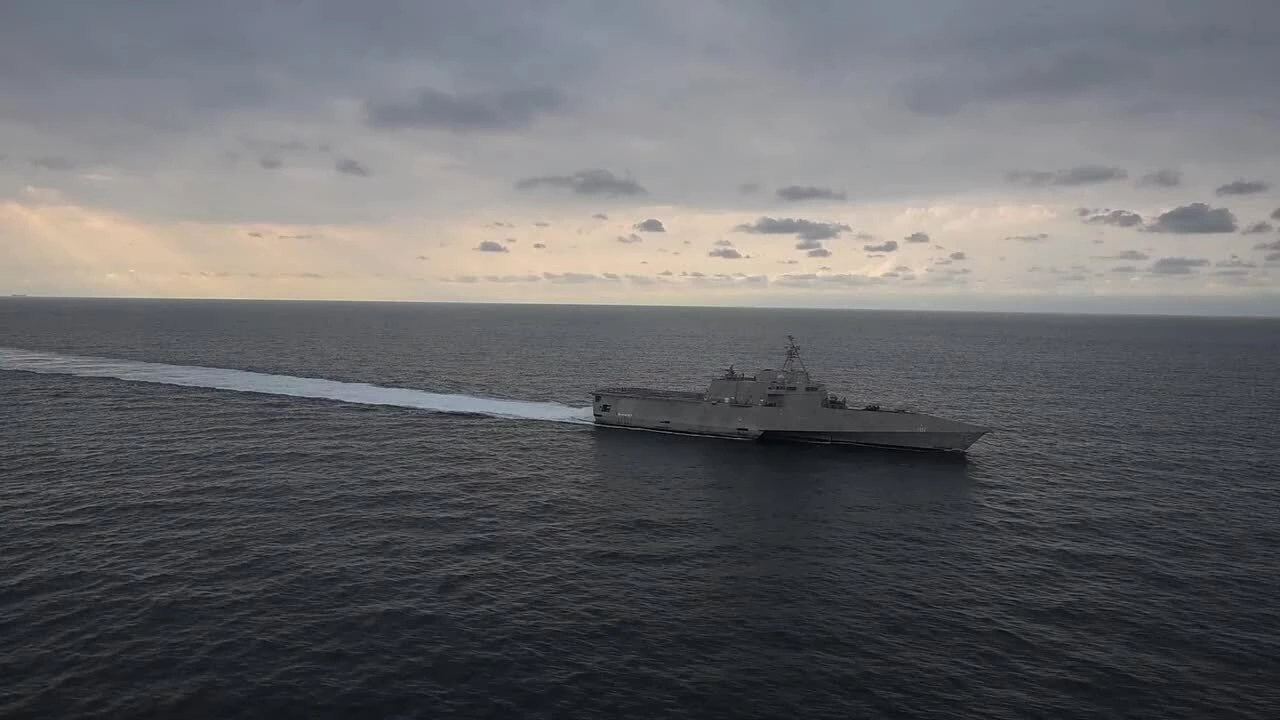
The LCS was designed with modularity in mind, intending for mission packages to be swapped out to adapt the ship for different tasks. However, this concept proved to be far more complex in practice than in theory. The Navy ultimately settled on two distinct designs: the steel monohull Freedom-class and the trimaran Independence-class. This decision, according to naval experts, complicated logistics and supply chains, adding another layer of difficulty to an already challenging program.
A key feature of the LCS design was its innovative waterjet propulsion system, which allowed for high speeds and maneuverability in shallow waters, minimizing the risk of grounding or damage from underwater obstacles. The ships were also designed to be fast, enabling them to intercept fast-moving threats and conduct rapid reconfigurations. However, these design elements also contributed to a litany of operational problems.
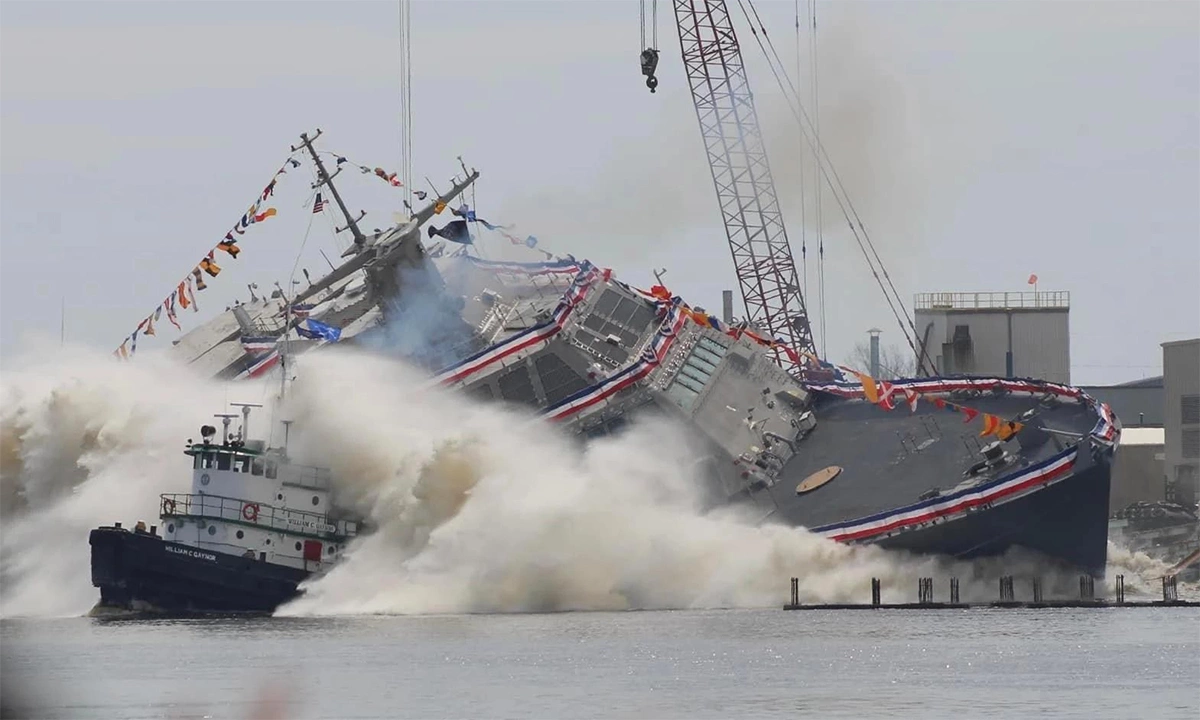
The initial cost of the USS Freedom, commissioned in 2006, was approximately $400 million, significantly exceeding the initial estimate of $180 million. This cost over-run set a precedent for the program. More critically, the ships have been plagued by persistent mechanical failures, particularly concerning their propulsion and engineering systems. The USS Freedom and USS Independence both experienced significant breakdowns in 2010 and 2011, requiring extensive repairs and periods of inoperability. The USS Fort Worth suffered a catastrophic engineering failure in Singapore in January 2016, rendering the four-year-old ship inoperable for eight months.
The issues were not isolated. The USS Freedom experienced another major breakdown in 2016 during an exercise with the U.S. Pacific Fleet, necessitating a two-year repair period. These recurring problems have led to questions about the reliability and readiness of the LCS fleet, raising doubts about their ability to fulfill their intended operational roles.
A Shrinking Fleet and Shifting Priorities
The initial plan envisioned a fleet of 56 LCS vessels. However, the persistent challenges and escalating costs led to a reduction in the procurement goal to 35 ships. In early 2022, the Navy proposed decommissioning nine Freedom-class LCSs, citing their high operating costs and the need to reallocate funds to more pressing modernization efforts. This proposal was ultimately approved by Congress, with the ships being retired prematurely, often after only a few years of service. The rationale behind this decision was the Navy’s need to consolidate its budget, focusing resources on new combatants and other critical modernization programs.
As of the latest reports, seven LCSs have been decommissioned. Notably, the USS Sioux City, which only became operational five years ago, is among them, highlighting the rapid obsolescence and premature retirement of these vessels.
The Future of the LCS: A Strategic Reassessment
Despite the numerous challenges, the Navy maintains that the LCS will play a role in its future strategy. In its 2026 plan, the Navy has designated the LCS as a "critical element for the naval force structure, capable of complicating adversary decision-making." The argument is that these ships can act as valuable decoys, drawing enemy fire and thus protecting more valuable assets. The LCS is envisioned to be capable of detecting and intercepting threats such as the Naval Strike Missile (NSM) and potentially countering unmanned aerial vehicles (UAVs) in the future.
The Navy’s strategy for the LCS appears to be shifting from procurement to sustainment and modernization. The stated aim is to ensure these ships remain operational and capable of contributing to naval power for their intended lifespan. However, this strategy is met with skepticism from some defense analysts.
Emma Salisbury, a senior fellow at the Foreign Policy Research Institute (FPRI) in Philadelphia, questions the true combat effectiveness of the LCS. She points out that these ships have never been tested in actual combat, making it difficult to assess their performance in real-world conflict scenarios. Furthermore, she notes that while the Navy has announced plans to deploy LCSs to the Strait of Hormuz, only two frigates, not LCS vessels, have been deployed for this mission, raising questions about the practical application of the LCS in high-threat environments.
Carl Schuster, a former director of operations at the Joint Intelligence Center at the Pacific Command of the U.S. Pacific Fleet, echoes these concerns. He asserts that the LCS lacks the firepower to effectively operate in contested areas and is vulnerable to modern threats. "They are effectively targets for cruise missiles, UAVs, or future anti-access capabilities," Schuster stated. "They are almost sitting ducks in combat scenarios, incapable of performing patrol missions in areas that are dangerous to the LCS."
A Glimpse of the Future: The FF(X) Program
Both Salisbury and Schuster suggest that the LCS program represents a temporary solution for the U.S. Navy, with a more capable successor already in development. The focus is shifting towards the FF(X) program, which aims to field a new generation of frigates. These vessels are expected to be significantly larger and more heavily armed than the LCS.
The FF(X) program is being developed based on the hull of the Legend-class National Security Cutter. These new frigates are projected to have a displacement of 4,750 tons, a top speed of 52 mph, and a range of 22,000 km. They will be equipped with a 57 mm Mk.110 naval gun, a 30 mm Mk.38 cannon, a SeaRAM missile defense system with 21 RIM-116 missiles, and a choice of 16 NSM missiles or 48 AGM-114 Hellfire missiles. This advanced armament package indicates a significant upgrade in offensive and defensive capabilities compared to the current LCS.
Schuster believes that the Navy will eventually phase out the LCS entirely, replacing them with these new frigates. "They will be retired when their replacements come online in 3-4 years," he predicted. "The Navy will then likely decommission the LCS, retiring one or two at a time."
The saga of the Littoral Combat Ship program serves as a cautionary tale in defense procurement. While the initial vision was ambitious and forward-thinking, the execution has been fraught with challenges, leading to immense costs and a fleet that is being rapidly dismantled. As the U.S. Navy navigates the complexities of modern warfare and budgetary constraints, the lessons learned from the LCS program will undoubtedly shape its future acquisition strategies and the development of its next generation of naval assets. The question remains whether the substantial investment in the LCS will yield any lasting strategic benefits, or if it will be remembered primarily as an expensive, yet ultimately unsuccessful, experiment.