Vietnam’s Diamond Market Grapples with Liquidity Crisis as Customer Sell-Back Demands Soar


A significant surge in customer requests to sell back diamonds coupled with demands for immediate refunds has plunged numerous Vietnamese jewelry retailers into a severe liquidity crisis, forcing many to temporarily suspend operations. The escalating situation, primarily triggered by an erosion of consumer trust and recent legal actions against prominent industry players, highlights systemic vulnerabilities within the country’s burgeoning gemstone market.
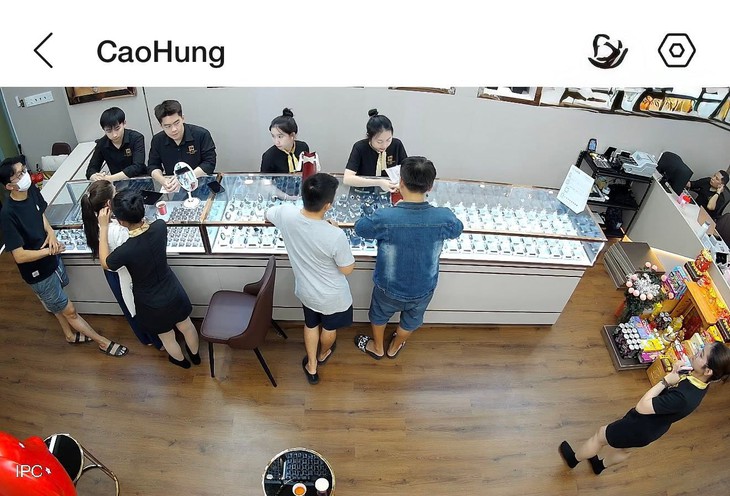
On July 18, Cao Hung Diamond, a well-known jewelry brand, officially announced a two-week suspension of its buy-back and exchange services. The company cited a broader crisis of market confidence, stating that "the market’s trust is being affected by several entities unexpectedly halting operations due to unforeseen circumstances." This ripple effect has led to an overwhelming influx of customer inquiries and an unprecedented demand for immediate cash settlements, pushing businesses like Cao Hung Diamond beyond their operational capacity. "This situation has caused our stores to fall into a state of being overwhelmed beyond control, with phone lines ringing non-stop and messages going unanswered," the company stated, also noting "unfortunate incidents" involving customers exerting pressure for prompt payments.
Cao Hung Diamond, established in July 2020, quickly gained popularity, particularly among celebrities and public figures. With a chartered capital of 20 billion VND (approximately $850,000 USD), the company, owned and legally represented by Ms. Nguyen Thi Ngoc Dung (born 1991), specializes in the retail of silver, gemstones, and jewelry, operating two branches in Ho Chi Minh City (HCMC) and Can Tho. Despite the temporary suspension of buy-back services, the company emphasized its commitment to maintaining general operations and continuing to serve customers through its existing system. The statement acknowledged the immense pressure on both owners and staff, appealing for customer understanding and empathy during this challenging period.
A Deepening Crisis: From Local Closures to Systemic Strain
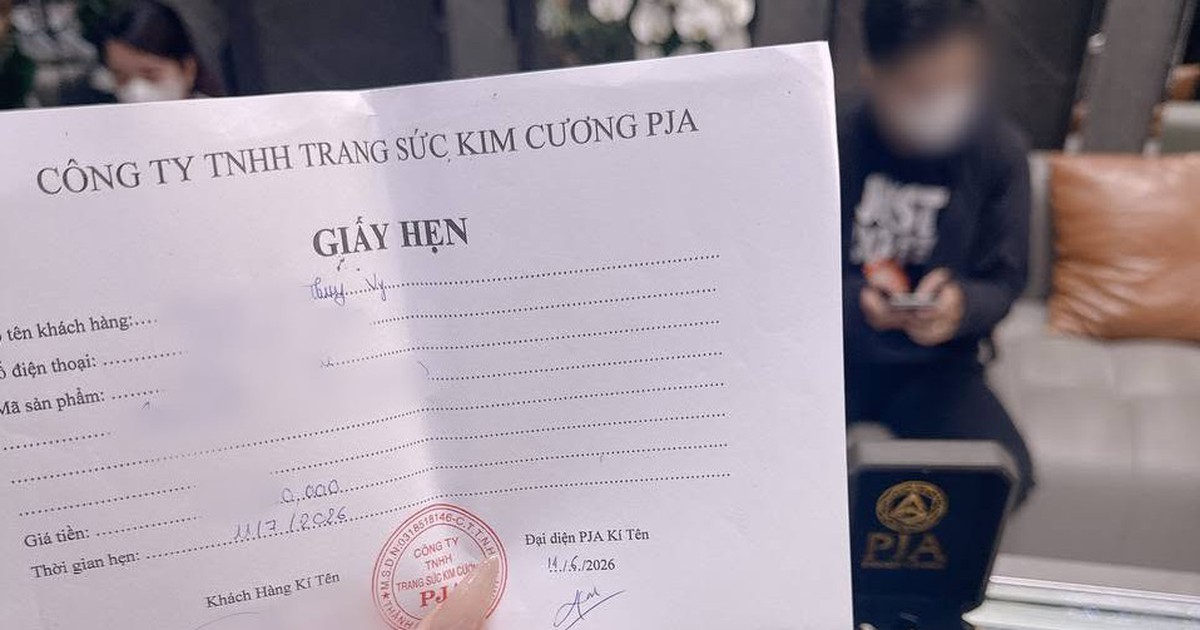
The crisis gripping Vietnam’s diamond sector is not isolated to a single entity. Prior to Cao Hung Diamond’s announcement, several other diamond and jewelry retailers had already declared temporary halts to their operations or outright closures. On July 17, PJA Kim Cuong – Diamond And Jewelry cited similar reasons for its suspension, including widespread customer panic, a sharp increase in sell-back requests, and subsequent liquidity bottlenecks. The company expressed regret, stating it would "re-evaluate its journey" and apologized to customers for the unexpected disruption.
Further afield, in My Tho, Dong Thap province, Hong Phuc jewelry store also announced a temporary cessation of business activities, attributing the decision to "market fluctuations beyond prediction" and a strategic move to "enhance service quality." These scattered closures began to paint a picture of a market under immense strain, foreshadowing the broader liquidity crunch.
The immediate catalyst for this wave of instability appears to be a series of legal developments in Ho Chi Minh City. News of the prosecution of the owners of prominent gold and diamond shops—Kim Ly, Ngoc Tam, and Ngoc Chau—sent shockwaves through the market. This led to a swift and widespread response from numerous diamond businesses situated on major commercial arteries in HCMC, such as An Duong Vuong, Tran Hung Dao, and Le Thanh Ton streets. Many stores in these areas either closed their doors immediately or posted notices of temporary suspensions ranging from two weeks to a month. Notably, Ngoc Tam Gold, Silver, Gemstone Co. Ltd. confirmed its own two-week operational halt following the prosecution of its director, further intensifying consumer anxiety and the rush to offload diamond assets.
Expert Insights: Unpacking Systemic Vulnerabilities
According to Associate Professor Dr. Nguyen Ngoc Khoi, DGemG, a senior lecturer and Head of the Technical Committee TC174: Jewelry, under the Ministry of Science and Technology’s Directorate for Standards, Metrology, and Quality, the current predicament transcends individual business failures. "This incident is not just an issue for a few businesses but for the entire Vietnamese gemstone market," Dr. Khoi asserted.

His analysis points to several systemic shortcomings, particularly concerning consumer protection and regulatory oversight:
- Limited Consumer Knowledge: A significant portion of Vietnamese consumers lack fundamental knowledge about diamonds and gemstones. They struggle to differentiate between natural and treated stones, or to accurately assess their value. This knowledge gap makes them highly dependent on the information provided by sellers and external certifications.
- Over-reliance on Reputation and Certification: In the absence of personal expertise, consumers predominantly base their purchasing decisions on the reputation of the selling enterprise and the credibility of the certification documents provided. This reliance creates a vulnerability if these reputations or certifications are compromised.
- Regulatory Gaps for Gemstone Certification: Dr. Khoi highlighted a critical difference between the gold and diamond markets in Vietnam. While gold trading is subject to stringent state control and licensing, the activities of diamond and gemstone certification bodies have been "largely overlooked" by the state. Currently, no unified state agency is responsible for licensing and managing these certification entities. This regulatory vacuum can lead to inconsistent standards, a lack of accountability, and potentially, opportunities for fraudulent practices that further erode trust.
- Non-Binding "Buy-Back" Commitments: A key issue for many consumers is the nature of buy-back agreements. Dr. Khoi clarified that these commitments are predominantly "civil agreements" between businesses and customers, rather than legally binding obligations enforceable by state law. Consequently, consumer rights in a buy-back scenario are heavily contingent on the specific terms documented in writing and, crucially, on the financial capacity and willingness of the business to honor its commitment.
- Liquidity Squeeze Mechanism: Even for companies with sincere buy-back policies, a sudden, large-scale demand from customers to sell back their diamonds can trigger an insurmountable liquidity crisis. If too many customers simultaneously seek to liquidate their assets, the company’s financial reserves can be quickly depleted, making it impossible to fulfill all obligations, regardless of prior commitments. This scenario, exacerbated by the lack of robust state oversight and consumer knowledge, creates a fragile market susceptible to rapid downturns in confidence.
Broader Economic Implications and the Path Forward
The unfolding crisis in Vietnam’s diamond market carries significant implications that extend beyond the immediate financial woes of affected businesses and the anxieties of diamond owners.
Economic Impact:
- Erosion of Consumer Confidence: The most immediate and damaging effect is a profound loss of trust among consumers, not just in the diamond sector but potentially spilling over into the broader luxury goods and investment markets. This can lead to a sustained period of cautious spending.
- Industry Downturn and Job Losses: Temporary closures could evolve into permanent bankruptcies for less resilient businesses, leading to job losses across the supply chain, from retailers to artisans and support staff.
- Investment Shift: Consumers may re-evaluate diamonds as an investment asset, potentially shifting their capital towards more liquid or state-regulated alternatives like gold, which offers greater perceived stability and clear regulatory frameworks. This could alter the dynamics of Vietnam’s luxury market for years to come.
- Reputational Damage: The negative publicity surrounding the closures and legal actions tarnishes the reputation of the entire diamond industry in Vietnam, making it harder for even reputable businesses to attract new customers and regain lost trust.
Regulatory Scrutiny and Potential Reforms:
The crisis is likely to draw intensified scrutiny from government authorities. While Dr. Khoi highlighted the historical "hands-off" approach to gemstone certification, the current situation could act as a catalyst for significant regulatory reforms.
- Investigation and Enforcement: Authorities may launch comprehensive investigations into the practices of diamond businesses, particularly concerning their buy-back policies, marketing claims, and the validity of their certifications.
- Development of Unified Standards: There is a clear need for the establishment of a unified state body to oversee and license diamond and gemstone certification organizations. This would ensure consistent standards, transparency, and accountability across the industry.
- Strengthening Consumer Protection Laws: Policymakers may consider introducing specific legislation to fortify consumer rights in the gemstone market, making buy-back commitments legally binding under certain conditions, or mandating clearer disclosures about the nature of such agreements.
- Enhanced Transparency: New regulations could push for greater transparency in diamond pricing, grading, and the distinction between natural, treated, and synthetic stones.
Industry and Consumer Response:
- Industry Collaboration: Reputable diamond businesses may need to collaborate through industry associations to establish self-regulatory codes of conduct, unified ethical standards, and perhaps even a collective fund or mechanism to stabilize the market during future crises.
- Consumer Education Campaigns: Joint initiatives between the government and industry could focus on educating consumers about the complexities of diamond purchasing, valuation, and the importance of scrutinizing contractual terms, especially for buy-back schemes.
- Demand for Verifiable Certifications: Consumers are likely to become more discerning, demanding internationally recognized third-party certifications (e.g., GIA, IGI) rather than relying solely on internal company certificates or reputation.
In conclusion, the current liquidity crisis in Vietnam’s diamond market is a stark reminder of the intricate relationship between consumer trust, robust regulation, and market stability. While businesses like Cao Hung Diamond strive to navigate these turbulent waters, the long-term health of the industry will depend on a concerted effort from all stakeholders to address the systemic vulnerabilities, rebuild confidence, and establish a more transparent and resilient market ecosystem. The coming months will be critical in determining whether the glitter of Vietnam’s diamond dreams can be restored or if its shine will be permanently dulled by the shadows of mistrust and regulatory neglect.
Related posts: