The Crisis of the Forgotten Middle Class: Why Millions of American Seniors Are Facing a Housing Paradox in Their Golden Years

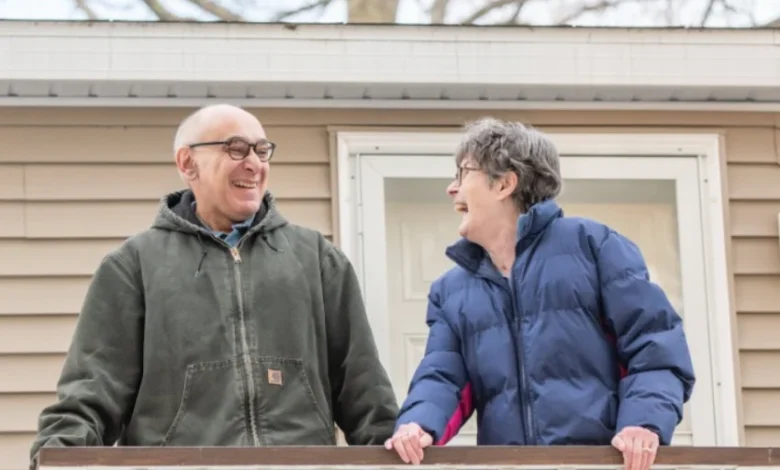
Brenda Edwards and her husband, residents of California now entering their seventies, represent a growing demographic that economists have labeled "house rich but cash poor." Having lived in their family home for decades, they have watched the California real estate market skyrocket, turning their primary residence into an asset worth a small fortune. On paper, the Edwards are wealthy; in reality, they are struggling to navigate the increasingly prohibitive costs of aging in America. As they looked toward their later years, the couple realized that finding a new, age-appropriate home was far more difficult than they had ever anticipated.
The couple eventually decided to spend over $100,000 to renovate their existing home to be wheelchair accessible—preparing for a future where mobility might be limited—rather than moving to a specialized senior living facility. Their reasoning was rooted in cold financial logic: their mortgage is nearly paid off, and the prospect of entering a new mortgage at current interest rates of 6% to 7% made purchasing a smaller, more accessible home financially impossible. "We feel comfortable here. We have the pool, the spa, and we’ve put so much love and effort into this garden," Brenda Edwards shared. "We want to stay."
The Edwards’ story is not an isolated incident. It is the opening chapter of a systemic crisis facing millions of American seniors known as the "forgotten middle." These are individuals who possess too much wealth to qualify for government assistance programs like Medicaid but do not have enough liquid income or savings to afford the high costs of private-pay senior housing and assisted living facilities.
The Demographic Shift and the Silver Tsunami
The United States is currently in the midst of a massive demographic shift often referred to as the "Silver Tsunami." The Baby Boomer generation, those born between 1946 and 1964, currently accounts for more than one-third of all homeowners in the country. This generation holds a significant portion of the nation’s residential real estate wealth; more than half of Boomer homeowners no longer have a mortgage, and they own 28% of the nation’s large homes (those with three or more bedrooms). In contrast, young families with children own only 14% of such properties.
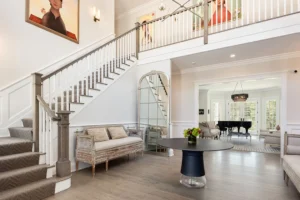
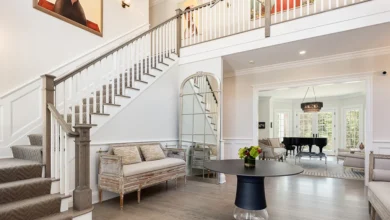
This concentration of housing wealth has created a bottleneck in the real estate market. While these seniors live in large, multi-story homes that are often ill-suited for the physical challenges of aging, they are effectively "locked in" by financial barriers. The primary hurdle is the sheer cost of transitioning. Even if a senior sells a home for $1 million, the proceeds may not be enough to cover the entrance fees and monthly costs of a high-end assisted living facility for the duration of their life, especially when inflation and rising healthcare costs are factored in.
Defining the Forgotten Middle
The term "the forgotten middle" was popularized by the National Investment Center for Seniors Housing & Care (NIC), a non-profit organization that provides data and analysis for the senior housing sector. According to their research, this group is defined as middle-income seniors who earn between $26,000 and $103,000 annually.
The financial gap for this group is stark. The average cost for a private-pay senior living community is approximately $4,500 to $5,500 per month, which equates to $54,000 to $66,000 per year. For a senior with a fixed income in the middle-income bracket, these costs consume nearly all, if not more than, their total annual revenue. Unlike those in the lowest income brackets, who can rely on Medicaid to cover long-term care once their assets are depleted, the middle class is often forced to "spend down" their life savings until they reach poverty levels just to receive help—a prospect that many find devastating after a lifetime of work and saving.
The Evolution of the Crisis: A Chronology of Data
The scale of this issue has grown more alarming with each passing year as researchers update their projections based on economic volatility and the aging population.
In 2019, an initial study projected that by 2029, there would be 11.6 million middle-income seniors in the U.S. who would struggle to afford the housing and care they need. However, by 2022, following the economic disruptions of the COVID-19 pandemic and a period of high inflation, that number was revised upward. The updated data suggested that by 2033, more than 11 million seniors (representing 72% of the middle-income senior population) would be unable to afford assisted living.
The most recent data from 2024, published by NORC at the University of Chicago, presents an even grimmer outlook. It is now estimated that by 2033, the "forgotten middle" will swell to 16 million people, accounting for 44% of all senior households in the United States. In specific regions, the numbers are even more lopsided. In the state of Michigan, for example, research indicates that 90% of seniors will be unable to afford the current market rates for assisted living.
The Physical Barrier: A Lack of Accessible Inventory
Beyond the financial constraints, there is a critical shortage of housing stock that is physically capable of supporting an aging population. Jennifer Molinsky, Director of the Housing an Aging Society Program at Harvard University, poses a poignant question: "Is it aging in place, or is it being stuck in place? There are many people in the middle, including homeowners, who are essentially trapped."
Currently, less than 4% of the total housing units in the United States meet the three basic criteria for "aging-ready" homes: a no-step entry, single-floor living, and hallways/doorways wide enough to accommodate a wheelchair. Most American suburban homes were built during the post-war era with multiple levels and narrow passages, designs that become hazardous as mobility declines.
When seniors cannot find affordable, smaller, and more accessible homes to move into, they remain in their large family homes. This creates a secondary economic effect: it prevents younger families from purchasing those larger homes, further tightening the housing market for all generations.
Innovative Solutions: The Opus Newton Model
As the crisis deepens, some organizations are experimenting with new models to bridge the gap for the forgotten middle. One such project is Opus Newton, developed by the non-profit organization 2Life Communities in Newton, Massachusetts. This project specifically targets seniors over the age of 62 who fall into the middle-income bracket.
The Opus Newton model utilizes a unique financial structure to keep monthly costs manageable. Residents pay an upfront "entry fee" ranging from $450,000 to $1.2 million, which is largely funded by the sale of their previous home. Crucially, 80% of this fee is refundable when the resident leaves or passes away, preserving equity for their heirs.
This upfront capital allows the facility to keep monthly fees between $2,500 and $5,000—significantly lower than the $5,500+ charged by traditional luxury senior living communities. To further reduce operating costs and foster a sense of community, residents commit to volunteering 10 hours per month within the facility. This "cooperative" approach has gained national attention, earning the project prestigious design awards for excellence in senior housing, scheduled for 2026.
Broader Implications and the Need for Policy Reform
The struggle of the forgotten middle has profound implications for the U.S. healthcare system and the broader economy. When seniors are unable to transition to supportive housing, they often remain in unsafe environments where the risk of falls and medical emergencies is higher. This leads to increased hospitalizations and places a heavier burden on emergency services.
Furthermore, the responsibility of care often falls on family members—the "sandwich generation"—who must balance their careers and raising children with the intensive demands of caring for aging parents. This can lead to decreased labor force participation and increased mental health struggles among caregivers.
Economists and advocates argue that the current system is unsustainable. Potential solutions being discussed at the policy level include:
- Expanding Medicaid Flexibility: Allowing for more "middle-ground" subsidies that don’t require total impoverishment.
- Zoning Reform: Encouraging the construction of "accessory dwelling units" (ADUs) or "granny flats" and multi-unit senior housing in residential neighborhoods.
- Tax Incentives: Providing tax breaks for seniors who renovate their homes for accessibility or for developers who build middle-income senior housing.
- Long-Term Care Insurance Reform: Making private insurance more affordable and accessible to the middle class before they reach retirement age.
Conclusion
The "wealth" held by the Baby Boomer generation in the form of real estate is, in many ways, an illusion that masks a looming social crisis. For people like Brenda Edwards, the choice to stay put is not just about emotional attachment to a home; it is a defensive maneuver in an economy that has failed to provide a viable path for the middle class to age with dignity.
As the 2033 deadline approaches and the number of seniors in the "forgotten middle" climbs toward 16 million, the pressure on the housing market and the social safety net will only intensify. Projects like Opus Newton provide a glimmer of hope, but they remain rare exceptions in a market that currently favors the very wealthy or the very poor. Without a concerted effort from policymakers, developers, and communities to address the specific needs of middle-income seniors, the American dream of a comfortable retirement may become an impossibility for nearly half of the nation’s aging population.