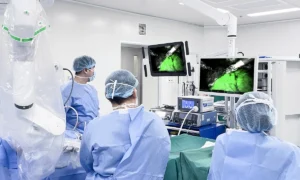
Quick Decision and Strategic Medical Intervention Save Father from Fatal Heart Attack During Family Emergency Trip to Hanoi

In a dramatic turn of events that underscores the critical importance of rapid medical response and the strategic decentralization of specialized healthcare, a 43-year-old man narrowly escaped death after suffering a massive heart attack while transporting his son to a hospital in Hanoi. The incident, which occurred in the early hours of June 30, has highlighted the life-saving potential of regional medical facilities and the "golden hour" in cardiovascular emergencies. The patient, whose identity has been kept private to respect family confidentiality, was traveling through Ninh Binh province when he experienced the onset of acute myocardial infarction, a condition that could have been fatal had his family opted to continue their journey to the capital.
The family’s ordeal began in the pre-dawn hours as they set out for Hanoi. Their primary objective was the medical care of their young son, who suffered from a congenital chest wall deformity known as pectus excavatum, or sunken chest. This condition often requires specialized thoracic surgery, leading many families from provincial areas to seek treatment at major central hospitals like Bach Mai in Hanoi. However, approximately 20 minutes after their bus began its journey through the Ninh Binh region, the father suddenly began exhibiting severe distress. According to family accounts, he was struck by intense, crushing chest pain, accompanied by profuse sweating and a chilling sensation in his extremities—classic and ominous signs of a major cardiac event.
Recognizing the gravity of the situation, the man’s wife made a split-second decision that medical experts now credit with saving his life. Rather than pushing forward to reach their original destination in Hanoi, which was still a considerable distance away, she requested the driver to divert immediately to the Bach Mai Hospital facility located in Ninh Binh. This facility, a satellite branch of the prestigious Bach Mai Hospital in Hanoi, was established specifically to handle such high-acuity emergencies in the northern provinces.
The Critical Window: Diagnosis and Emergency Protocol
Upon arriving at the emergency department around 7:00 AM, the 43-year-old patient was immediately triaged under a "Red Alert" status. The medical team, led by experienced cardiologists, performed an urgent electrocardiogram (ECG) which confirmed the worst: the patient was suffering from an acute ST-elevation myocardial infarction (STEMI) involving the inferior wall of the heart. In medical terms, this indicated a complete or near-complete blockage of a major coronary artery, preventing oxygen-rich blood from reaching the heart muscle.
The diagnostic imaging revealed that the patient’s right coronary artery was almost entirely obstructed. This level of blockage is particularly dangerous as it can lead to rapid tissue death (infarction), life-threatening heart rhythm disturbances (arrhythmias), or sudden cardiac arrest. The clinical team noted that the patient was at high risk of falling into a state of cardiogenic shock or experiencing a total atrioventricular block, a condition where the electrical signals that control the heartbeat are interrupted.
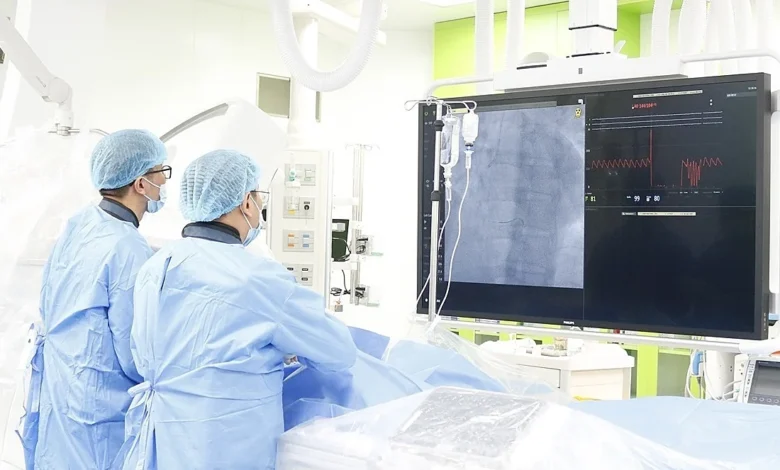
In response to the diagnosis, the hospital’s emergency cardiovascular protocol was activated instantly. Under the remote and direct guidance of Associate Professor Tran Song Giang, Deputy Director of the National Heart Institute, the local intervention team prepared for an emergency percutaneous coronary intervention (PCI). The goal was to mechanically reopen the blocked artery and restore blood flow before the damage to the heart muscle became irreversible.
Surgical Intervention and the Restoration of Blood Flow
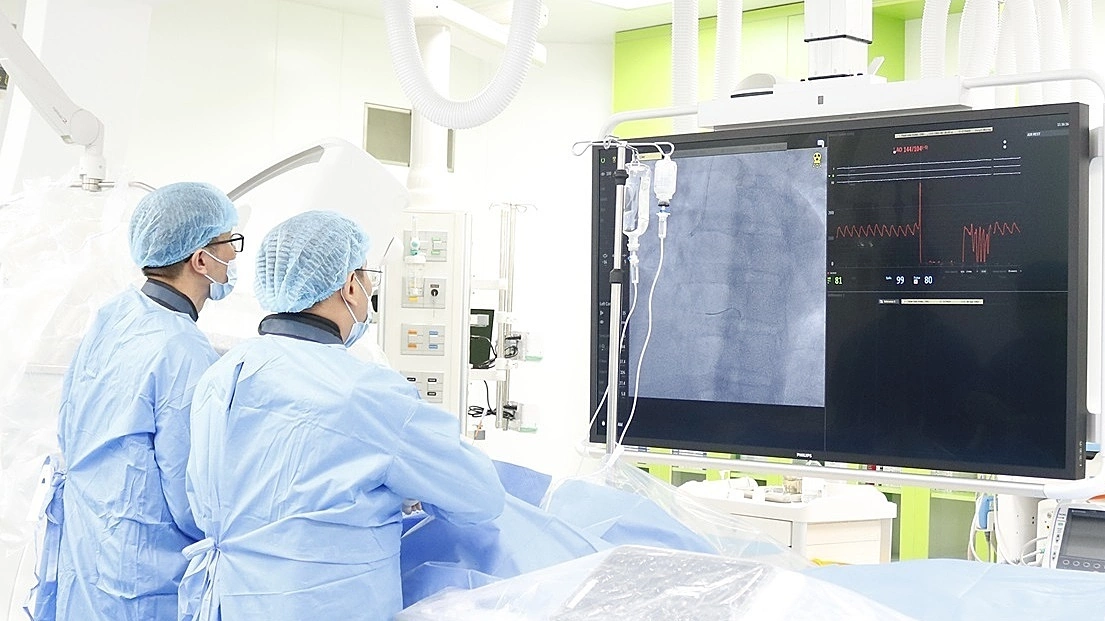
The surgical team opted for a sophisticated approach, performing the intervention via the radial artery in the wrist rather than the traditional femoral artery in the groin. This method is often preferred in modern cardiology as it reduces the risk of bleeding complications and allows for a faster recovery period for the patient. During the procedure, the surgeons performed balloon angioplasty to dilate the narrowed section of the right coronary artery and successfully implanted a stent to keep the vessel open.
The results were immediate and successful. The blood flow to the inferior wall of the heart was fully restored, and the patient’s symptoms began to subside while still on the operating table. From the moment of admission to the completion of the life-saving procedure, only two and a half hours had elapsed. This rapid turnaround is a testament to the efficiency of the "Golden Hour" protocol, which dictates that the sooner blood flow is restored, the more heart muscle can be salvaged.
By the time the patient was transferred to the post-operative recovery unit, he was fully conscious, stable, and remarkably free of the crushing chest pain that had nearly claimed his life hours earlier. "I never imagined I would have a heart attack while taking my son for his check-up," the patient later reflected from his hospital bed. "I feel incredibly lucky that we were near a facility capable of such advanced care. It truly feels like a second chance at life."
The Growing Trend of Cardiovascular Disease in Younger Populations
The case has sparked renewed discussion among health experts regarding the "rejuvenation" of heart disease—a term used by Vietnamese medical professionals to describe the increasing frequency of heart attacks in individuals under the age of 50. While cardiovascular issues were once considered a primary concern for the elderly, the 43-year-old patient in this case represents a growing demographic of younger adults facing life-threatening cardiac events.
Associate Professor Tran Song Giang emphasized that several lifestyle and environmental factors are contributing to this shift. "We are seeing a significant rise in myocardial infarction among younger people, often driven by high rates of smoking, untreated hypertension (high blood pressure), and dyslipidemia (abnormal cholesterol levels)," Dr. Giang explained. He also pointed to the roles of diabetes, obesity, and the chronic stress associated with modern professional life as major catalysts for early-onset heart disease.
Medical data in Vietnam and globally suggest that when heart attacks occur in younger individuals, they can be particularly aggressive. Younger patients may not have developed the "collateral circulation" (auxiliary blood vessels) that older patients sometimes have, making a sudden blockage even more devastating. Dr. Giang urged the public to be vigilant about symptoms such as severe chest pressure, shortness of breath, nausea, and cold sweats, and to seek immediate help at facilities capable of cardiac intervention rather than waiting for symptoms to pass.
Strategic Impact of Regional Healthcare Decentralization
The successful outcome of this case also serves as a powerful validation of the Vietnamese Ministry of Health’s strategy to decentralize high-tech medical services. Historically, patients in provincial areas often bypassed local hospitals to seek care in major cities, a practice that frequently resulted in dangerous delays for time-sensitive conditions like strokes and heart attacks.
Associate Professor Dao Xuan Co, Director of Bach Mai Hospital, highlighted the critical nature of time in cardiac care. "In a case of acute myocardial infarction, every minute that passes without treatment results in the death of thousands of heart muscle cells that cannot be regenerated," Dr. Co stated. "If this patient had attempted to continue the journey to Hanoi, the risk of heart failure, fatal arrhythmias, or cardiac arrest on the road would have been extremely high. The presence of the Bach Mai facility in Ninh Binh provided the ‘Golden Hour’ window necessary to save his life and preserve his heart function."
The Bach Mai Ninh Binh branch was established with the specific goal of bringing expert-level care and advanced technology closer to regional populations. By staffing these facilities with specialists from the National Heart Institute and equipping them with state-of-the-art catheterization labs (Cath-labs), the healthcare system is effectively reducing the burden on central hospitals while significantly improving survival rates for emergency patients.
Implications for Public Health and Emergency Preparedness
This incident serves as a vital case study for both the public and the medical community. For families, it underscores the necessity of recognizing emergency symptoms and knowing the location of the nearest specialized care facility. The wife’s decision to divert the trip was not just a lucky guess; it was an informed choice that prioritized immediate stabilization over the original plan.
From a public health perspective, the event reinforces the need for continued investment in regional cardiac centers. As cardiovascular disease remains a leading cause of mortality in Vietnam, the ability to perform emergency stenting and angioplasty outside of major metropolitan hubs like Hanoi and Ho Chi Minh City is a cornerstone of modernizing the national health infrastructure.
As the 43-year-old father continues his recovery, his son’s medical needs remain a priority, but the family now approaches the future with a profound sense of gratitude. The successful intervention ensured that a trip meant to heal a child did not end in the loss of a parent. Moving forward, the patient will require long-term management, including cardiac rehabilitation and lifestyle modifications, to prevent a recurrence. His story stands as a testament to the progress of Vietnamese medicine and a stark reminder that when it comes to the heart, time is the most precious commodity of all.