The modern dietary landscape is undergoing a significant transformation as nutritional science shifts its focus from simple caloric intake to the concept of nutrient density. As global health organizations grapple with rising rates of non-communicable diseases, including cardiovascular ailments and type 2 diabetes, the emphasis on "functional foods"—those that provide health benefits beyond basic nutrition—has never been more critical. Recent clinical data and dietary guidelines suggest that integrating specific, high-potency foods into a weekly regimen can significantly alter long-term health outcomes. Among the most efficacious additions to a balanced diet are sunflower seeds, fatty fish, walnuts, whole grains, and a diverse array of colorful produce. These five food categories represent a cornerstone of preventative medicine, offering a complex synergy of vitamins, minerals, and antioxidants designed to support systemic physiological function.
The Resurgence of Seeds: Sunflower Seeds as a Micronutrient Powerhouse
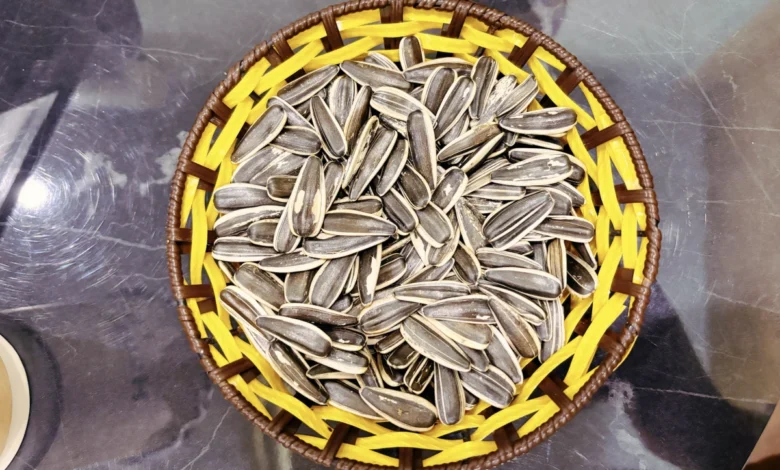
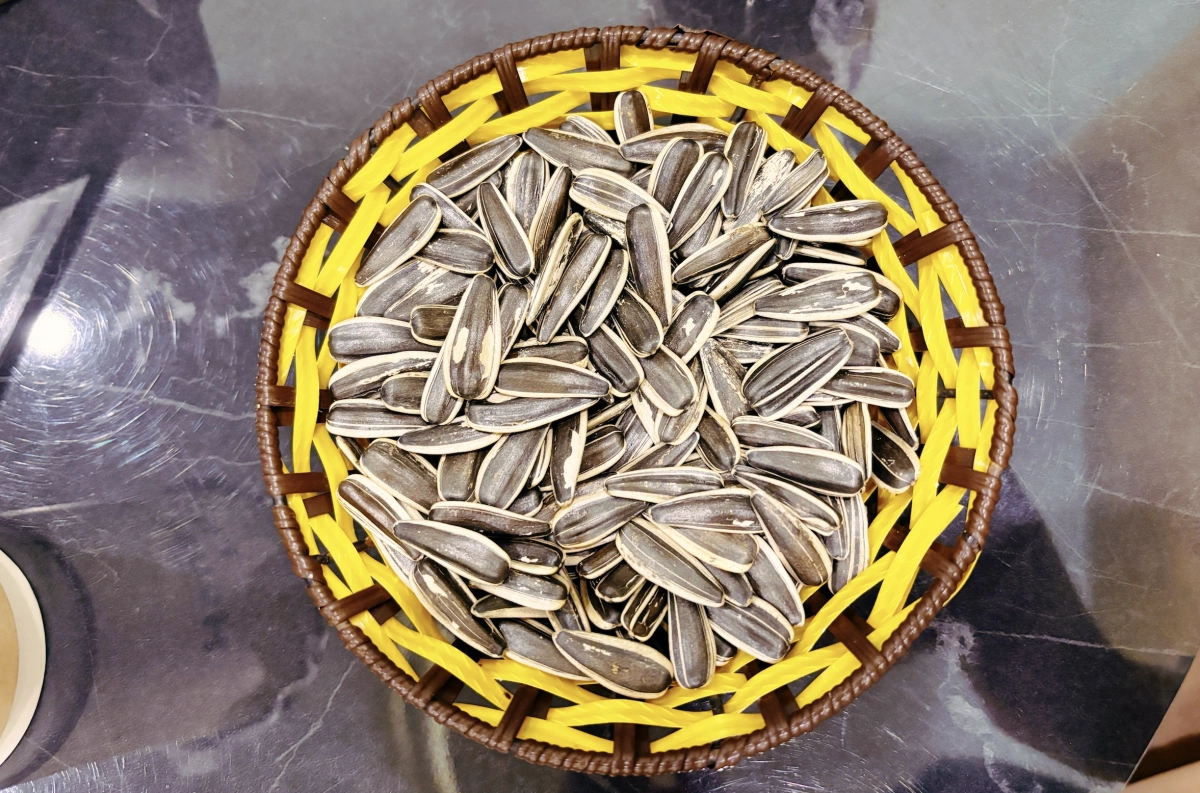
Sunflower seeds, often overlooked as a mere snack, have emerged as a primary source of alpha-tocopherol, the most biologically active form of Vitamin E. For the average adult, a mere quarter-cup serving of dry-roasted sunflower seeds provides approximately 80% of the Daily Value (DV) for Vitamin E. This fat-soluble antioxidant is paramount in protecting cell membranes from oxidative damage, particularly within the cardiovascular system. By preventing the oxidation of low-density lipoprotein (LDL) cholesterol, Vitamin E plays a direct role in reducing the risk of atherosclerosis.
Beyond their vitamin profile, sunflower seeds are a significant source of magnesium, providing 25% of the DV per quarter-cup. Magnesium is a cofactor in more than 300 enzyme systems that regulate diverse biochemical reactions in the body, including protein synthesis, muscle and nerve function, blood glucose control, and blood pressure regulation. The presence of 11% DV of dietary fiber in this small serving size further aids in gastrointestinal motility and the maintenance of a healthy gut microbiome. From a satiety perspective, the combination of plant-based protein and healthy fats makes sunflower seeds an ideal tool for weight management, as they trigger the release of cholecystokinin, a hormone that signals fullness to the brain.
Phytochemical Diversity: The Biological Impact of Fruits and Vegetables
The recommendation to "eat the rainbow" is grounded in the complex science of phytochemicals—naturally occurring compounds in plants that provide color, flavor, and resistance to disease. Unlike essential vitamins and minerals, phytochemicals are not required for immediate survival but are essential for long-term disease prevention.
The inclusion of tomatoes, for instance, introduces lycopene into the bloodstream. Clinical studies have consistently shown that lycopene, a carotenoid, is linked to a reduced risk of prostate cancer and a lower incidence of stroke. When tomatoes are cooked, the bioavailability of lycopene increases, allowing the body to absorb the compound more efficiently. Similarly, the deep blues and purples found in berries are indicative of anthocyanins. These flavonoids are potent antioxidants that cross the blood-brain barrier, potentially slowing the cognitive decline associated with aging and improving neuroplasticity.
On the pungent end of the spectrum, alliums such as onions and garlic contain allicin. This sulfur-containing compound is released when the vegetable is crushed or chopped. Allicin has demonstrated antimicrobial properties and has been studied for its ability to inhibit the proliferation of tumor cells. By rotating through a variety of colors and flavors each week, individuals can ensure a broad-spectrum defense against cellular mutation and chronic inflammation.
Marine-Based Omega-3s: The Essentiality of Fatty Fish
The American Heart Association (AHA) has long recommended at least two servings of fatty fish per week, a guideline supported by decades of epidemiological research. Species such as salmon, trout, and sardines are uniquely rich in long-chain omega-3 fatty acids, specifically eicosapentaenoic acid (EPA) and docosahexaenoic acid (DHA). Unlike plant-based omega-3s, which require a complex and often inefficient conversion process in the body, the EPA and DHA found in fatty fish are readily available for physiological use.
Omega-3 fatty acids are integral components of the phospholipids that form the structures of cell membranes. They are found in high concentrations in the retina, brain, and sperm cells. Functionally, these fats reduce systemic inflammation by inhibiting the production of pro-inflammatory eicosanoids. This anti-inflammatory action is a primary reason why regular fish consumption is associated with a 15% to 20% reduction in the risk of fatal heart disease.
Furthermore, fatty fish serve as one of the few natural food sources of Vitamin D, a nutrient that many populations lack due to limited sun exposure and sedentary indoor lifestyles. The synergy between high-quality protein, Vitamin D, and omega-3s makes fatty fish an unparalleled dietary component for maintaining bone density and cognitive health into older age.

Walnuts: The Plant-Based Alternative for Brain and Heart Health
For individuals following plant-based diets or those seeking to diversify their intake of healthy fats, walnuts offer a unique nutritional profile. While most nuts contain monounsaturated fats, walnuts are primarily composed of polyunsaturated fats, including a significant amount of alpha-linolenic acid (ALA). ALA is the plant-based precursor to EPA and DHA. While the conversion rate is modest, the high concentration of ALA in walnuts—approximately 2.5 grams per ounce—is sufficient to contribute to heart health by improving endothelial function and reducing blood pressure.
Walnuts are also distinguished by their high polyphenol content. When compared to other common nuts, walnuts have a higher antioxidant potency, which is particularly effective in neutralizing the free radicals that contribute to neurodegeneration. A quarter-cup serving provides 5 grams of protein and 2 grams of fiber, assisting in the stabilization of blood sugar levels. Emerging research into the "gut-brain axis" suggests that the specific fiber types in walnuts may promote the growth of beneficial bacteria that produce secondary metabolites, further protecting the brain from inflammatory damage.
The Structural Integrity of Whole Grains
The transition from refined grains to whole grains is perhaps one of the most impactful dietary changes an individual can make. A whole grain contains all three original parts: the bran, the germ, and the endosperm. In the refining process used to create white rice or white flour, the bran and germ are stripped away, removing roughly 80% of the grain’s fiber and the majority of its vitamins and minerals.
Whole grains such as brown rice, oats, quinoa, and whole-wheat bread are rich in B vitamins (thiamine, riboflavin, niacin, and folate), which are essential for energy metabolism. They also provide significant amounts of iron, magnesium, and selenium. The high fiber content of whole grains slows the digestion of starch, preventing the rapid spikes in blood glucose and insulin that are characteristic of refined carbohydrate consumption. This slow-release energy profile is a critical factor in preventing the development of insulin resistance and type 2 diabetes.
Furthermore, the bran layer of whole grains contains phenolic acids and phytoestrogens, which have been linked to a reduced risk of certain cancers, particularly colorectal cancer. By replacing refined staples with whole-grain alternatives, individuals can increase their daily fiber intake by 50% to 100% without increasing their total caloric load.

Analysis of Global Health Implications
The promotion of these five food groups is not merely a matter of individual wellness but a public health necessity. According to the World Health Organization (WHO), dietary risks are responsible for more deaths globally than any other risk factor, including smoking. The "Global Burden of Disease" study indicates that diets low in whole grains, fruits, and nuts, and high in sodium and trans fats, are the leading drivers of mortality in both developed and developing nations.
Integrating these nutrient-dense foods into a weekly diet addresses several "nutrient gaps" prevalent in modern society. For instance, the widespread deficiency in magnesium and Vitamin E can be mitigated by the regular consumption of seeds and nuts. The chronic lack of fiber—an issue for over 90% of the population in many Western countries—can be corrected through whole grains and produce.
From an economic perspective, the shift toward a preventative diet could save billions in healthcare costs. The treatment of chronic conditions like heart disease and diabetes accounts for a staggering percentage of national health budgets. Educational initiatives that focus on accessible, nutrient-dense foods—such as sardines or oats, which are relatively low-cost—can democratize health and reduce the health disparities seen in lower-income populations.
Chronology of Nutritional Guidance
The journey toward this current understanding of nutrition has evolved over decades. In the 1970s and 80s, dietary guidance was largely focused on the reduction of total fat and cholesterol. This led to a surge in the consumption of "low-fat" but high-sugar processed foods, which inadvertently contributed to the obesity epidemic.
By the early 2000s, the focus shifted toward the quality of fats, recognizing the protective benefits of monounsaturated and polyunsaturated fats found in nuts and fish. The last decade has seen a further refinement, emphasizing the "food matrix"—the idea that the physical and chemical structure of food (such as the fiber in a whole grain) is just as important as the individual nutrients it contains. Today, the consensus among nutritionists and medical professionals is that a holistic approach, focusing on whole, minimally processed foods, is the most effective strategy for life extension and disease prevention.

Implementation Strategies for Optimal Health
To maximize the benefits of these five food groups, health experts recommend a structured approach to grocery shopping and meal preparation.
- The Seed Rotation: Keep a jar of sunflower seeds or walnuts in the pantry to add to morning oatmeal or salads.
- The Two-Fish Rule: Designate two nights a week (e.g., Tuesday and Friday) for fatty fish consumption to ensure the omega-3 requirement is met.
- Whole Grain Substitution: Systematically replace all white rice with brown rice or quinoa, and choose 100% whole-wheat bread over white varieties.
- The Produce Rainbow: Aim for at least three different colors of vegetables on the dinner plate each night.
By viewing these foods not as optional supplements but as essential components of a weekly "biological tune-up," individuals can take proactive control of their health trajectory. The synergy of Vitamin E, omega-3s, phytochemicals, and fiber creates a robust internal environment capable of resisting the stresses of modern life and the physiological challenges of aging. As research continues to uncover the intricate ways in which these nutrients interact with our DNA and microbiome, the case for these five food categories only grows stronger, cementing their place at the center of the modern plate.