Why Nations Are Urging Citizens to Prepare for Emergency Situations Amid Rising Global Instability

In recent weeks, a significant shift in public safety discourse has emerged across the globe as multiple nations, from the European continent to East Asia, have issued urgent guidance for citizens to prepare for emergency scenarios. This move, which includes recommendations to stockpile essential supplies like food, water, and medical kits, comes against a backdrop of escalating cyber warfare, geopolitical tensions, and the increasing frequency of climate-related disruptions. While some of these government advisories have fueled speculation regarding hidden agendas or impending crises, security analysts suggest this is a necessary evolution in civil defense strategy in an era defined by high-impact, low-probability risks.
The Catalyst: Cyberattacks on Critical Infrastructure
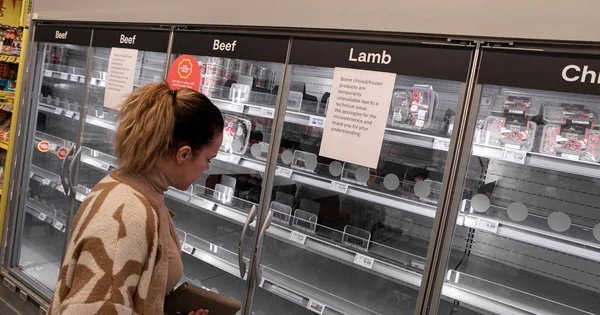
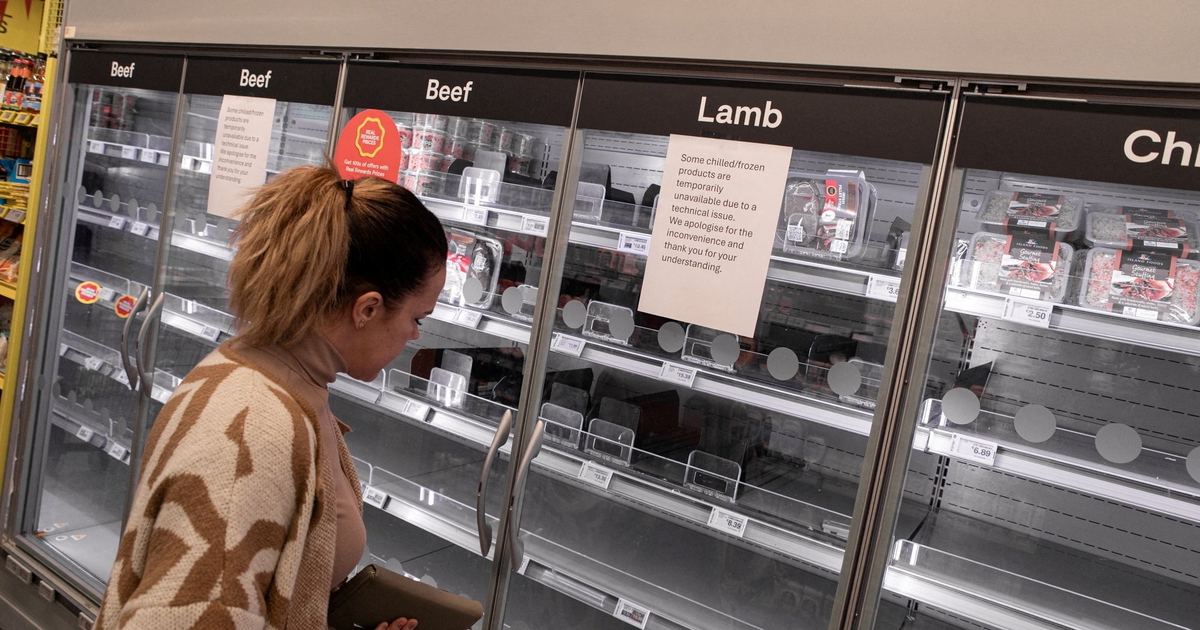
The urgency surrounding these warnings was significantly heightened following a series of sophisticated cyberattacks targeting the food and cold-chain supply infrastructure in Europe. On November 2, a coordinated digital assault crippled the refrigeration systems of numerous retail giants, leading to significant inventory losses and raising alarms about the vulnerability of interconnected modern logistics.
The attacks, which affected hundreds of outlets, exploited vulnerabilities in the Internet of Things (IoT) devices that manage temperature controls for frozen goods. By manipulating these settings, attackers caused massive spoilage, forcing retail chains to scramble for security patches and overhaul their entire network architectures. For instance, the retail chain Coop, which suffered direct hits across its network in multiple regions, initiated a transition from 4G to 5G connectivity for its security hardware to bolster defense.
The incident highlights a critical weakness: the reliance on automated, internet-connected systems for essential survival goods. When these networks are compromised, the physical flow of food and medicine is disrupted, creating immediate pressure on households that rely on a "just-in-time" supply chain.
Chronology of Growing Global Vigilance
The current push for individual preparedness did not emerge in a vacuum. It is the culmination of years of observation regarding the fragility of modern life.
- Mid-2022: Various European nations began updating their civil defense manuals, emphasizing the need for 72-hour self-sufficiency.
- October 22, 2024: The United Kingdom government announced a three-year resilience strategy, urging citizens to prepare for power outages, internet disruptions, and water supply failures.
- November 2, 2024: A major, coordinated cyberattack hits retail refrigeration systems in Europe, triggering immediate emergency protocols and highlighting the ease with which essential services can be disrupted.
- Early November 2024: Thailand’s government officially released a comprehensive guide for families, detailing the six categories of essential goods—including medical supplies, food, and communication tools—required to sustain a household for three days in the event of an emergency.
Comparative Analysis of Preparedness Strategies
Different nations have tailored their advice to meet their specific geographic and political threat landscapes. In Japan, where natural disasters such as earthquakes and volcanic activity are a persistent threat, the government has long mandated that citizens maintain a minimum three-to-seven-day supply of emergency rations and hygiene products.
In contrast, European nations, particularly those near conflict zones, have begun emphasizing "hybrid threats." Luxembourg and the Baltic states have distributed manuals that address not only environmental disasters but also state-sponsored cyber warfare, disinformation campaigns, and the potential for a total blackout of essential utility services. The consensus among these governments is that the state cannot guarantee the immediate provision of services during the initial 72 hours of a major disruption, necessitating a level of "civilian resilience."
Expert Perspectives on Digital Vulnerabilities
Cybersecurity experts, including those from global consulting firms like Deloitte, have warned that the recent retail attacks are merely a "proof of concept" for what could happen to larger, more critical grids. Frank Groenewegen, a lead security researcher, has pointed out that while disconnecting systems from the internet can prevent further infiltration, it does not solve the underlying architectural flaws in security protocols.
"The issue is not just the software; it is the fundamental design of our infrastructure," Groenewegen noted. "We have prioritized connectivity over resilience for years. Now, we are paying the price for that efficiency."
The advice for retailers and utility providers is now shifting toward "security by design"—the integration of security measures at the development phase of hardware and software, rather than as an afterthought. For the average citizen, this translates into a recommendation to have analog alternatives for essential tasks, such as physical copies of documents, manual tools, and non-perishable food supplies that do not require electricity to prepare.
The "All-Hazards" Approach to Civil Defense
The broad adoption of these preparedness guidelines reflects an "all-hazards" approach to national security. Governments are moving away from the assumption that the next crisis will be a predictable, singular event. Instead, they are preparing for a confluence of factors:
- Climate Instability: Increasing occurrences of wildfires, floods, and extreme storms are putting unprecedented pressure on power grids and logistics.
- Geopolitical Tensions: Ongoing regional conflicts have demonstrated the potential for energy weaponization, where supply chains for fuel and electricity are used as leverage.
- Technological Interdependence: The digitization of everything—from grocery store freezers to municipal water pumps—has expanded the "attack surface" for bad actors, whether they are state-sponsored hackers or criminal syndicates.
Societal Implications and Public Perception
While the recommendations from governments are grounded in factual assessments of risk, they have inevitably sparked debates on social media platforms. Some segments of the public have expressed concern that these messages are intended to manufacture consent for increased military spending or to control public behavior during times of social unrest.
However, historians and social scientists argue that "emergency preparedness" is a foundational element of a stable society. They point to the "civil defense" era of the mid-20th century, which was widely accepted as a standard civic responsibility. The current trend is seen not as a departure from normalcy, but as a return to a more cautious, resilient mindset that recognizes the limitations of the modern state.
Conclusion: Toward a More Resilient Future
The shift toward proactive civilian preparedness is likely to persist as long as the global threat environment remains volatile. For individuals, the advice is simple: the goal is not to live in constant fear of a collapse, but to mitigate the impact of unavoidable disruptions. By maintaining a modest reserve of supplies and understanding how to navigate without the internet for 72 hours, citizens can reduce the burden on emergency services during the critical early stages of any crisis.
Governments, meanwhile, face the challenge of communicating these risks without inciting panic. The success of these initiatives depends on transparency, clear communication, and the ongoing modernization of critical infrastructure. As the line between digital threat and physical harm continues to blur, the ability of a nation to endure will depend as much on the preparedness of its households as it does on the strength of its cyber defenses.
As we move further into the 2020s, the "preparedness mindset" is transitioning from a fringe survivalist interest to a core component of modern citizenship. In a world where supply chains can be disrupted by a single line of malicious code and the climate is becoming increasingly unpredictable, the ability to rely on one’s own resources is no longer a luxury—it is a strategic necessity.