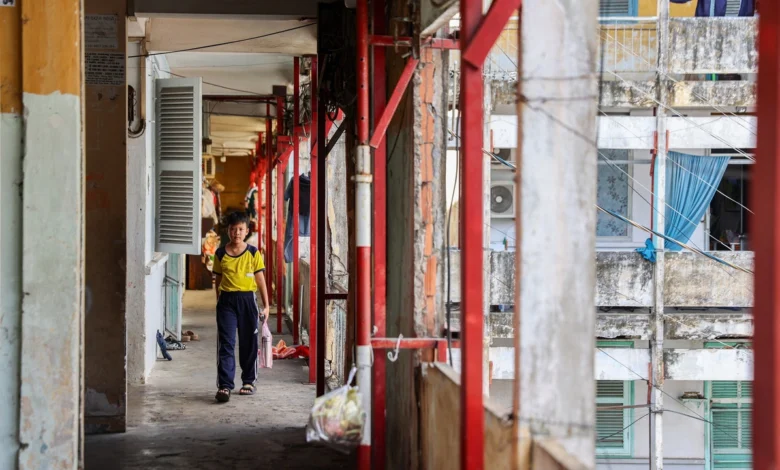
The Vĩnh Hội apartment complex, a residential relic in District 4 of Ho Chi Minh City, stands today as a precarious monument to urban decay. Constructed in 1963 and commissioned in 1968, the structure has served as a home for generations of families. However, after nearly six decades of continuous occupancy and minimal structural maintenance, the complex has deteriorated to a critical state. As of November 2026, the buildings are officially classified as Grade D—the highest level of danger in Vietnam’s building safety standards, indicating a state of severe disrepair where the load-bearing capacity of the structural elements is no longer guaranteed, posing an imminent risk of collapse.
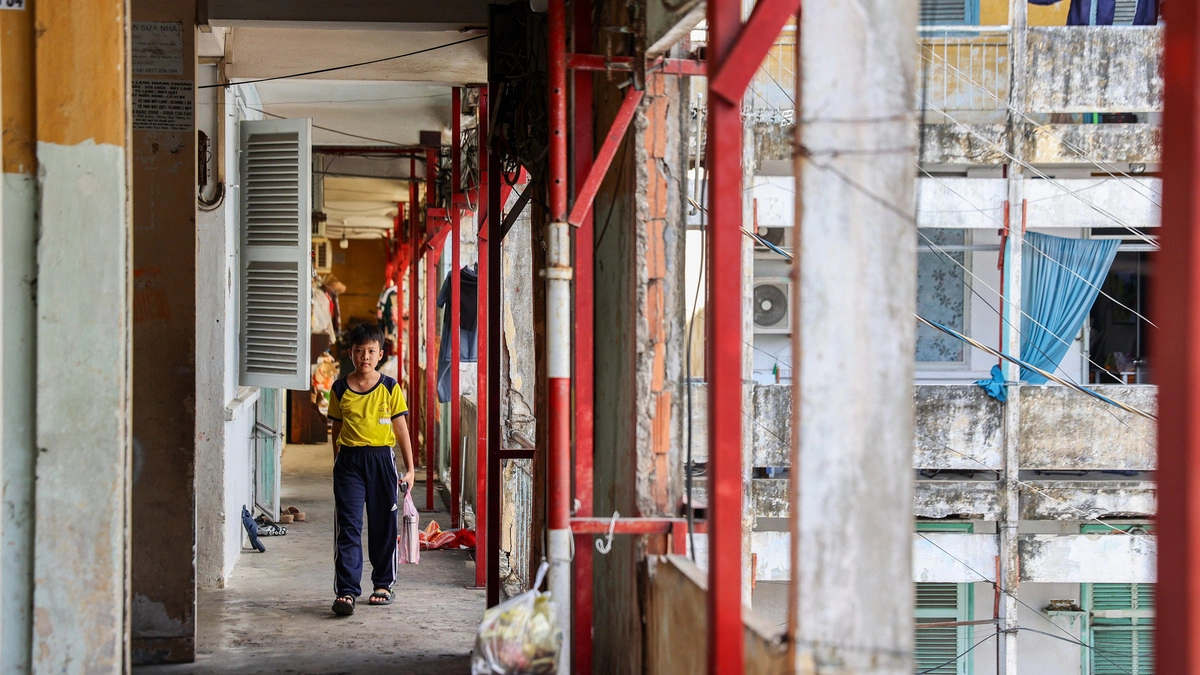
Despite these dire warnings, 141 households remain in their units, refusing to vacate until they are provided with adequate compensation and relocation plans. This standoff between the residents’ desire for secure housing and the city’s slow-moving redevelopment process highlights the broader challenges of urban renewal in Ho Chi Minh City, where historical housing stock often conflicts with modern safety requirements.
A Chronology of Decline
The Vĩnh Hội complex consists of three blocks—A, B, and C—each standing four stories tall. While they were considered modern housing solutions when they were first built during the 1960s, the passage of time has been unkind. The first formal acknowledgment of the building’s hazardous condition occurred in January 2017, when technical inspections officially designated the complex as Grade D.
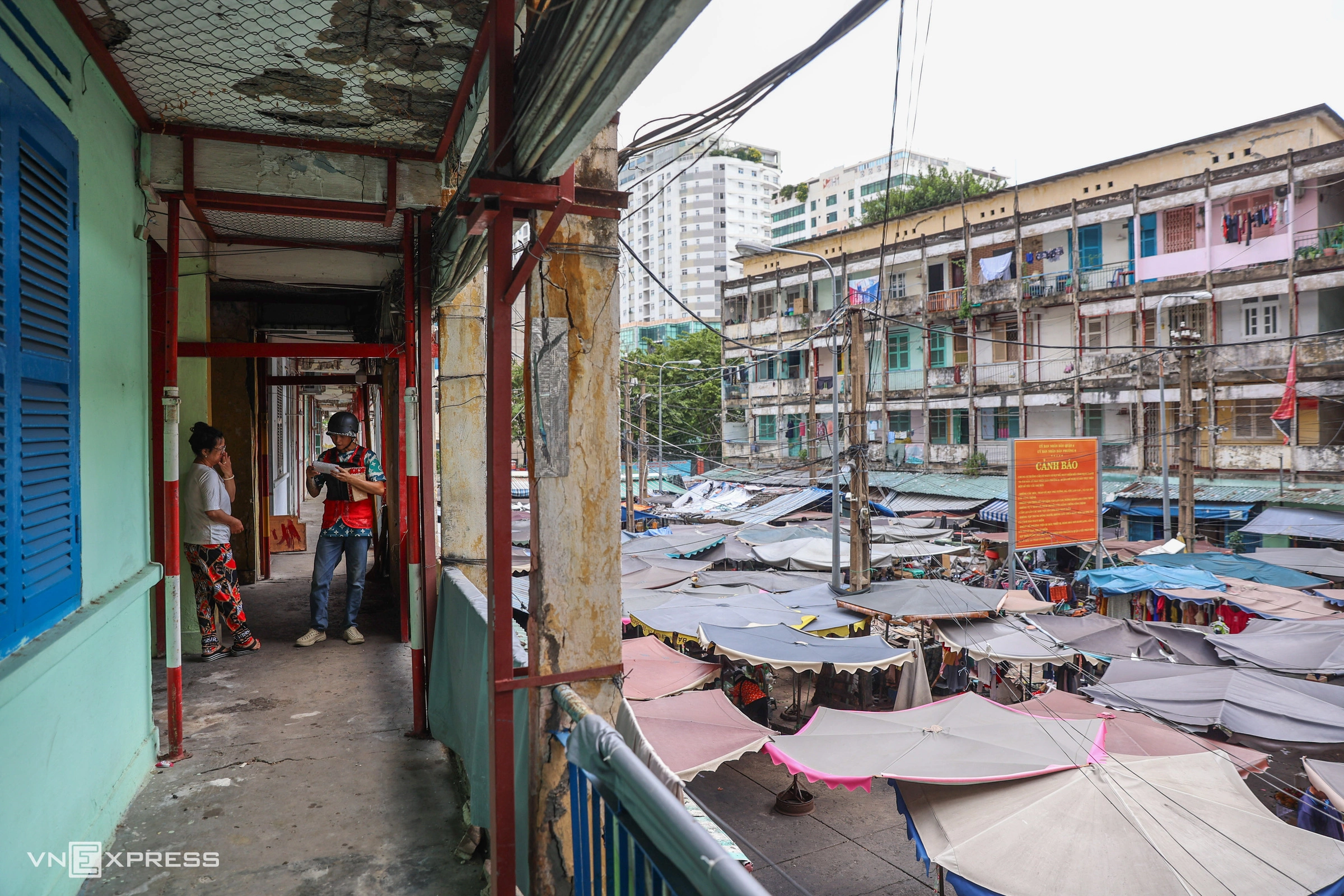
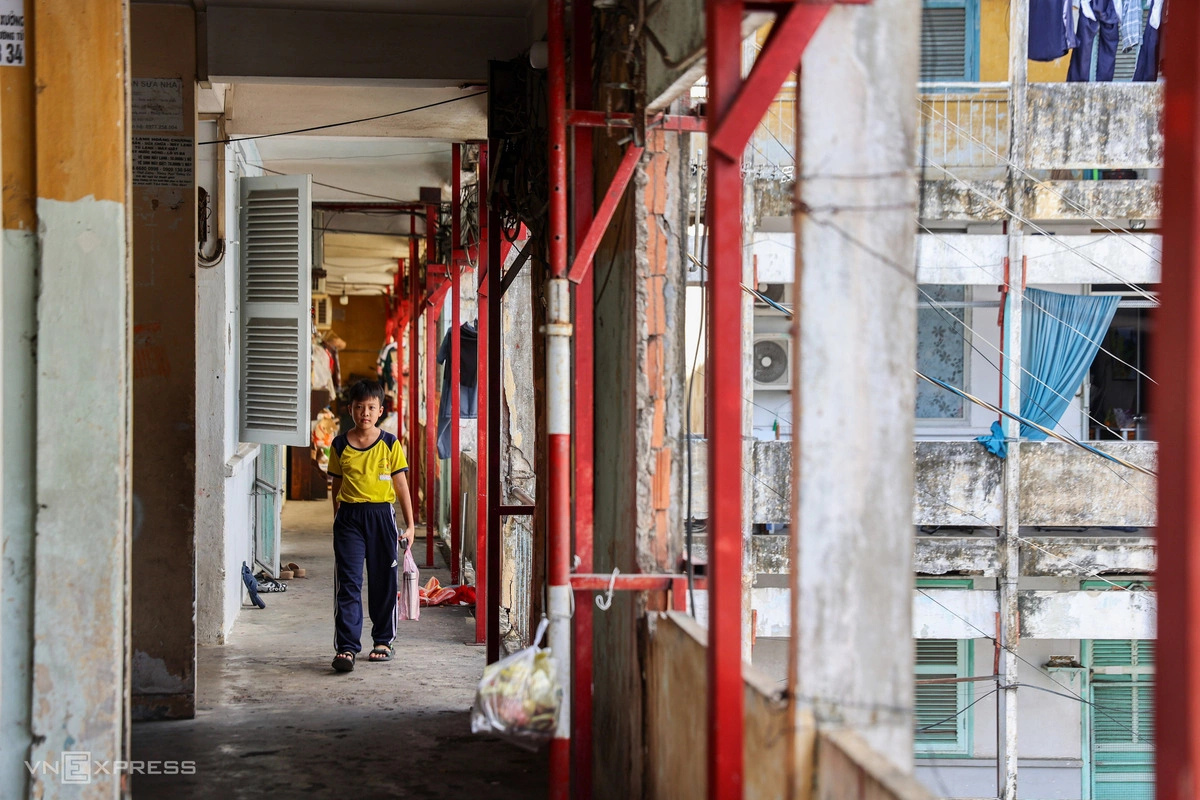
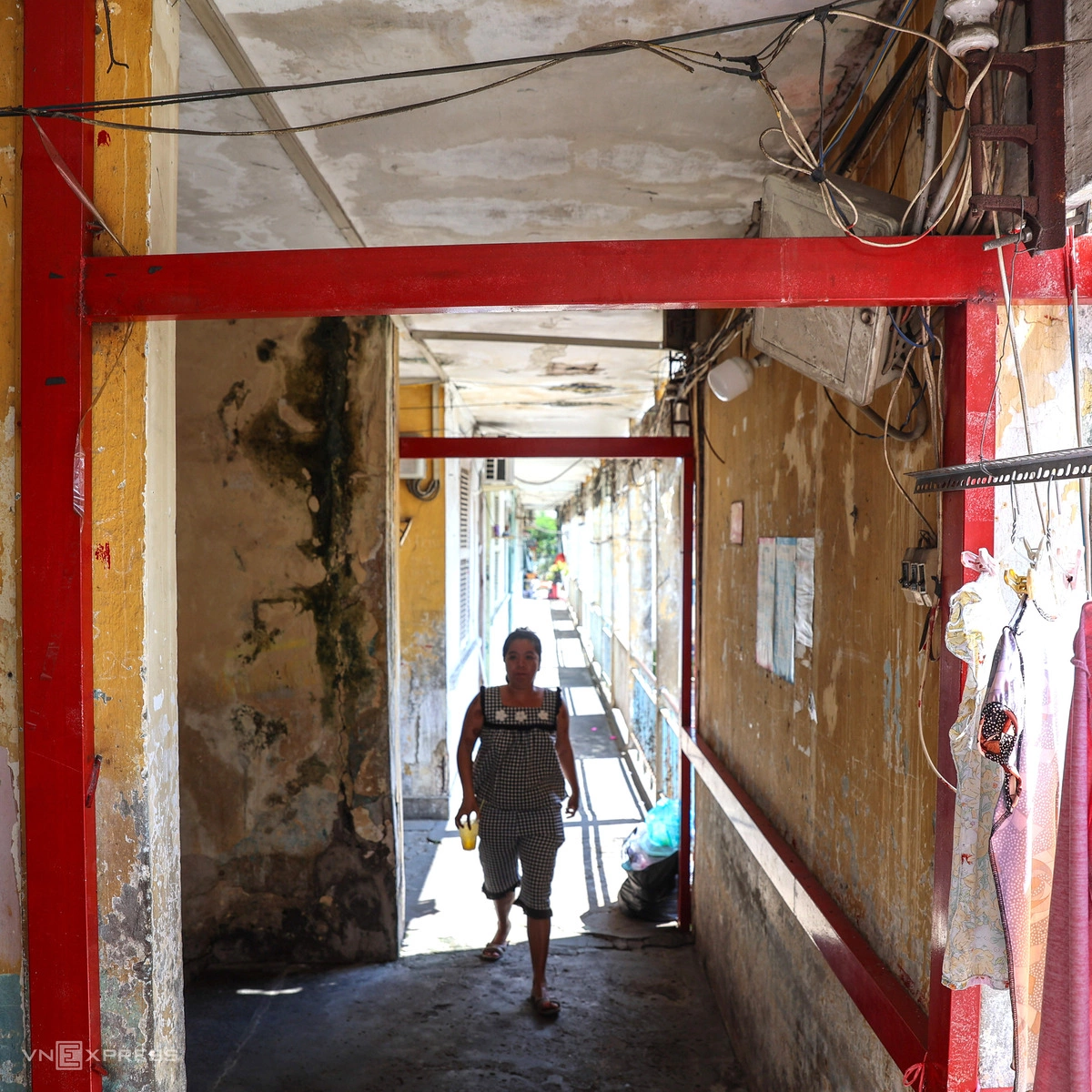
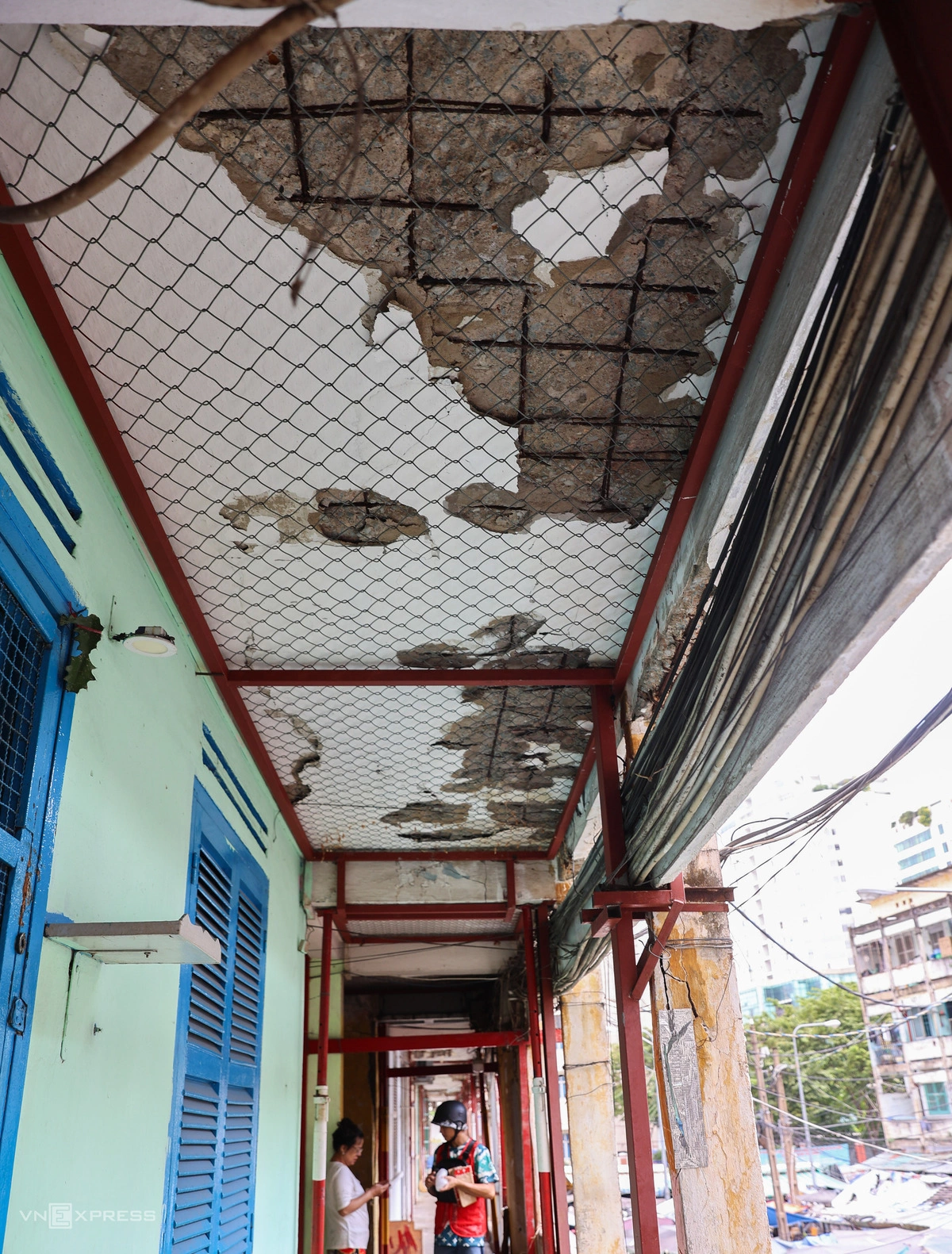
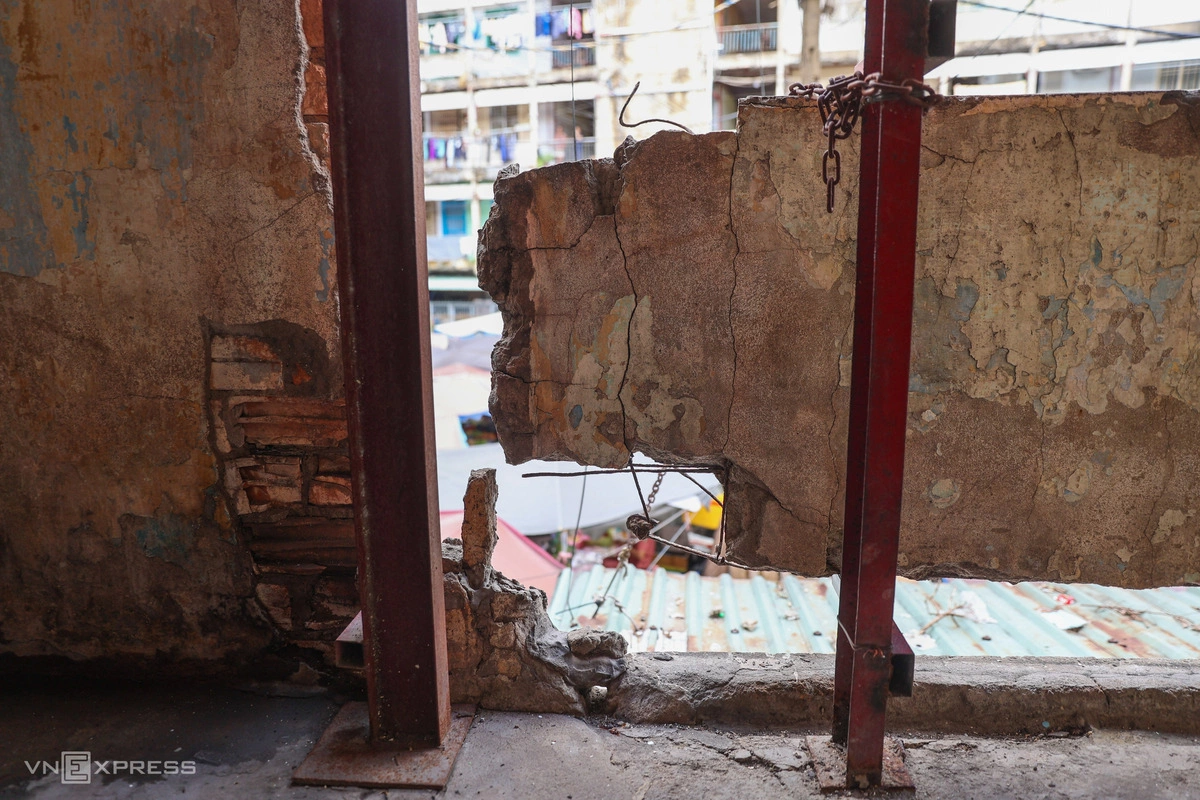
In the years following the 2017 assessment, the structural integrity of the complex has visibly worsened. What was once a sturdy concrete frame has been reduced to a web of corroded steel reinforcements and crumbling masonry. By 2026, the situation reached a breaking point, necessitating temporary emergency interventions. Authorities have installed steel supports, or "props," beneath critical beams and columns to prevent catastrophic failure, and B40 fencing has been draped across corridors to catch falling concrete debris that frequently rains down from the ceilings.
The Daily Reality of Living in a Crumbling Structure
For the residents, the threat of collapse is not an abstract concept but a daily reality. The corridors, which serve as the primary thoroughfare for dozens of families, are now riddled with cracks. The ceiling concrete has peeled away in large sections, leaving rusted steel rebar exposed to the humid, salty air of the city, which only accelerates the corrosion.
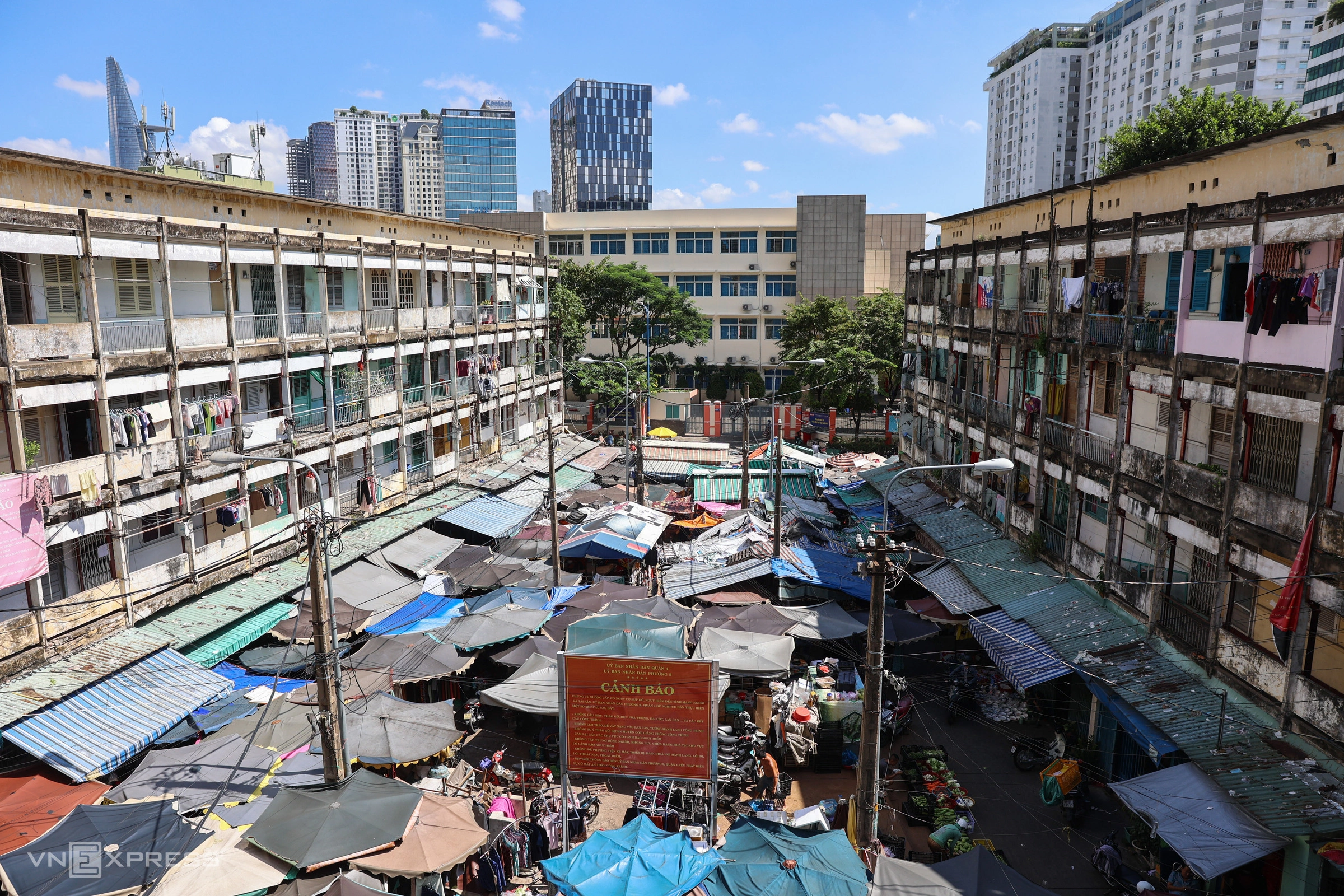
Mrs. Sau, a long-term resident of Block A, described the anxiety of navigating the building. "There have been instances where people walking through the hallways were narrowly missed by chunks of cement falling from the ceiling," she recounted. This sentiment is echoed by others who, despite the clear and present danger, continue to live in units averaging just 40 square meters. The extreme space constraints have forced families to utilize the already compromised hallways for daily activities, including cooking, washing, and socializing, further taxing the structural load of the building.
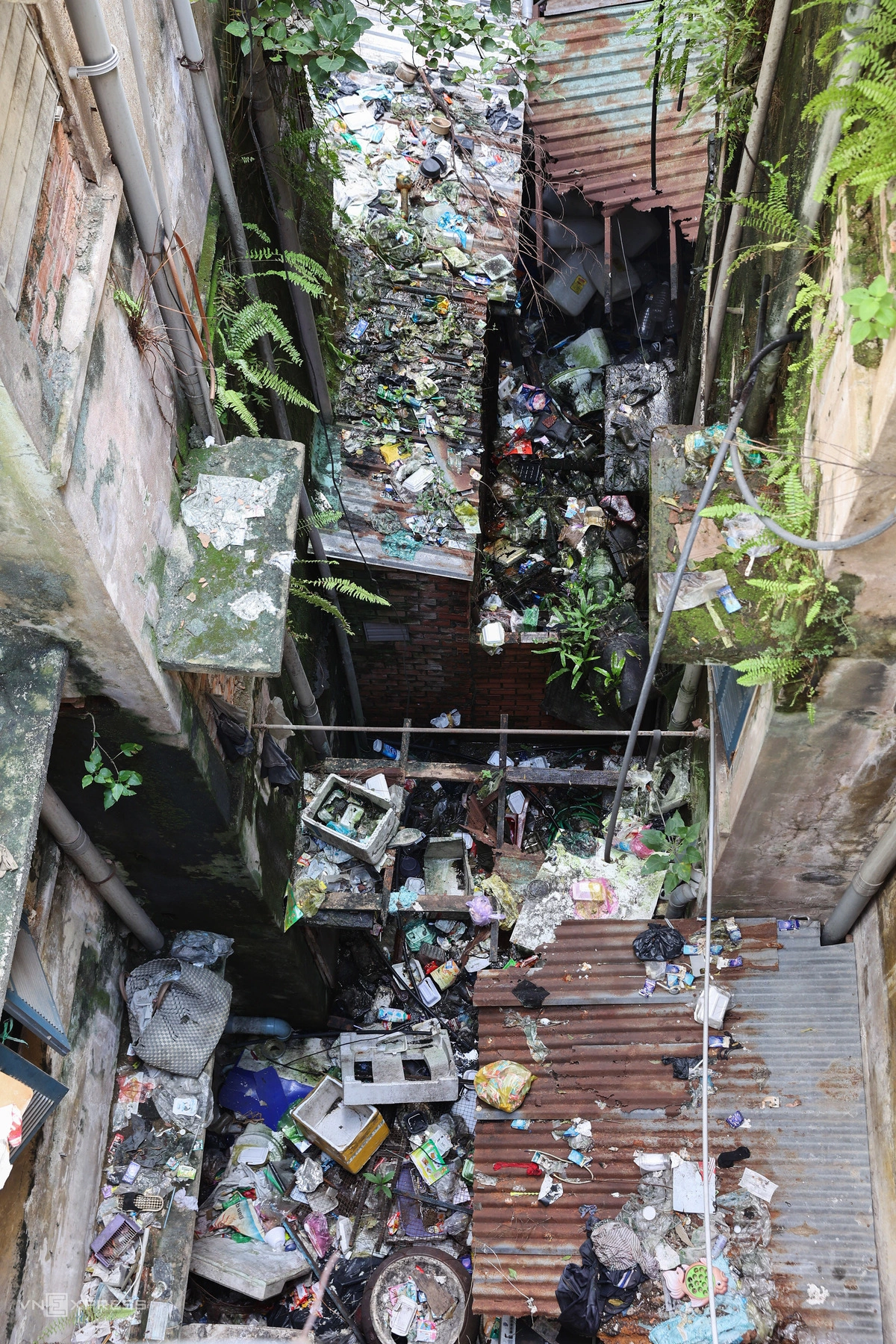
The environment within the complex is further degraded by poor sanitation. The common areas, particularly the roof spaces between blocks, have become accumulation points for refuse. Thick vegetation and wild vines have taken root in the cracks of the aging concrete, while stagnant waste emits a pervasive odor, significantly impacting the health and quality of life for the remaining inhabitants.
Economic Factors Behind the Standoff
The reluctance of the remaining 141 households to leave is rooted in socio-economic insecurity. Most of the residents are informal laborers or small-scale vendors whose livelihoods are tethered to the local neighborhood. For these families, moving to a new location—potentially far from their current workplace—means losing their customer base and their only source of income.
"For over 20 years, we have lived in this state of uncertainty," says Mrs. Trần Mộc Phương, a 50-year-old resident. Like many of her neighbors, she is not opposed to relocating, but the current compensation packages have failed to provide a viable path to stability. Residents are demanding a fair valuation that would allow them to purchase a new, safe home in a similar area, rather than being forced into state-subsidized housing units that may be geographically or economically unsuitable for their needs.
Official Response and Redevelopment Hurdles
The Ho Chi Minh City government has faced significant hurdles in accelerating the redevelopment of Vĩnh Hội. Since the 2017 classification, the city has struggled to find suitable investors to undertake the reconstruction project. The complexities of land ownership, the need for compensation negotiations, and the logistical challenge of vacating the residents have slowed the progress of any significant construction plans.
According to the Department of Construction, the People’s Committee of Ward 4 is tasked with the ongoing responsibility of persuading residents to vacate the premises. The current administrative focus is on arranging temporary housing and finalizing the 1/500 scale detailed master plan for the site. This document is a prerequisite for any redevelopment, as it outlines the zoning, density, and public infrastructure requirements for the future complex. Only once this plan is approved and publicized can the city effectively call for tenders from potential investors.
However, until such a plan is finalized and the compensation disputes are settled, the buildings remain in a legal and physical limbo. The city has installed warning signs and barricades throughout the complex to mitigate the risks, but these are widely regarded as stopgap measures that do not address the fundamental need for a structural overhaul or total demolition.
Broader Implications for Urban Safety
The case of Vĩnh Hội is a microcosm of the challenges facing aging residential infrastructure across Ho Chi Minh City. As the city continues to modernize, it must grapple with the legacy of older apartment blocks that are no longer fit for habitation. The cost of upgrading these buildings to meet current safety standards is often prohibitive, leading to a cycle of neglect and emergency repairs.
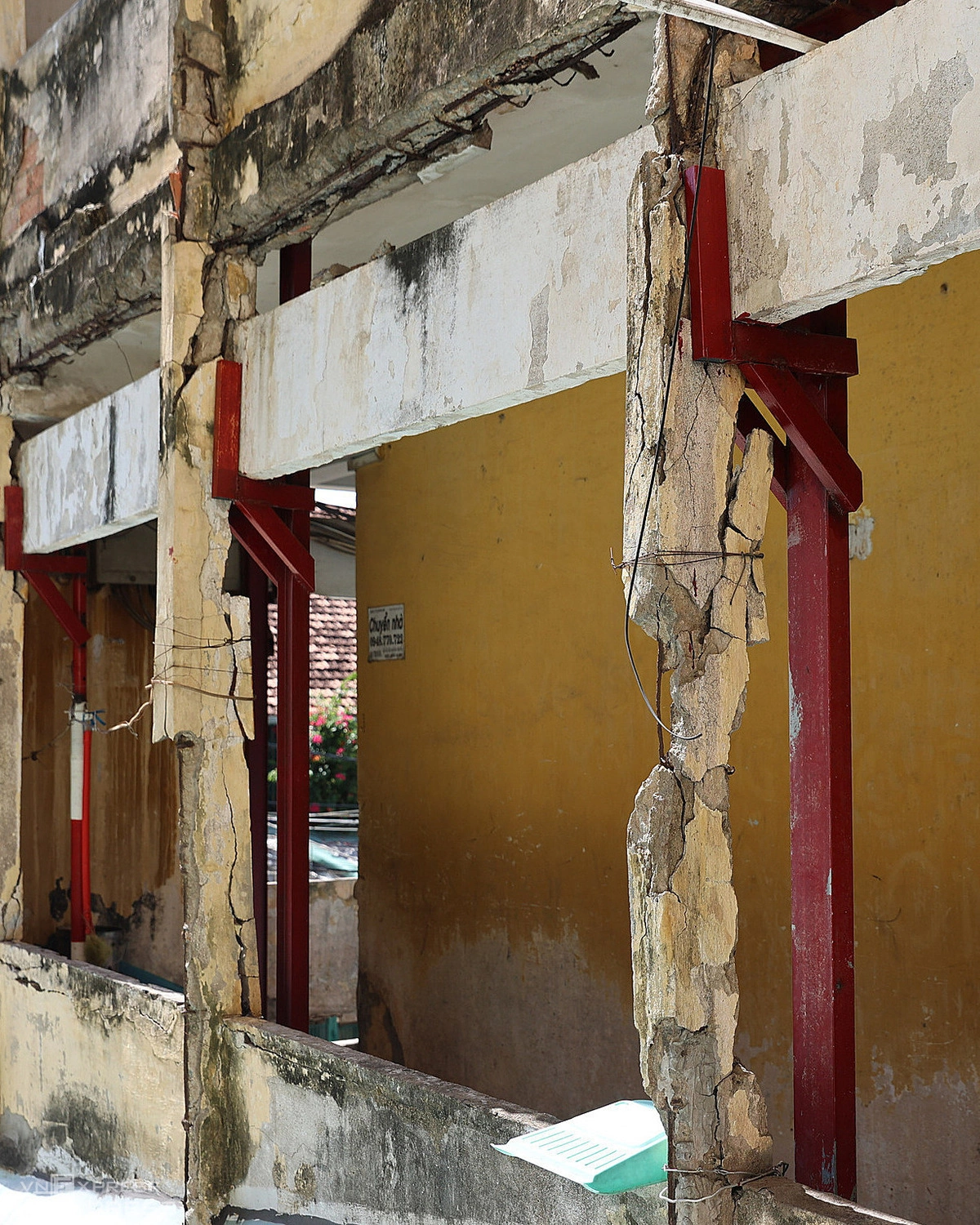
From an engineering perspective, the reliance on steel props and wire mesh is an unsustainable solution. Such methods are intended to provide temporary stability, not to serve as a long-term fix for buildings that have exceeded their intended service life. The risk of seismic events, heavy rainfall, or even the cumulative vibration from heavy urban traffic poses a constant, elevated threat to the stability of the Vĩnh Hội complex.
Furthermore, the social implications of displacing these communities cannot be ignored. Effective urban renewal requires a delicate balance between public safety and the economic rights of the residents. If the government cannot provide relocation options that protect the livelihoods of the occupants, the deadlock will persist, leaving the residents in a state of high risk.
A Call for Decisive Action
As of late 2026, the situation at Vĩnh Hội remains critical. The persistence of the residents in staying, while understandable from a survivalist standpoint, underscores a failure in the communication and execution of urban safety policy.
To resolve the impasse, urban planners and government officials must move beyond the current administrative delays. A more transparent, incentivized, and resident-focused approach is required to expedite the relocation process. This includes ensuring that the valuation of properties reflects the reality of the current housing market and that the new housing options offer the same level of economic accessibility that the residents have enjoyed in the city center for decades.
Without a decisive, well-funded, and compassionate intervention, the Vĩnh Hội apartment complex remains a ticking time bomb. The city faces a race against time to ensure that these aging structures are replaced before they succumb to the inevitable degradation of time and gravity, preventing what could otherwise be a catastrophic loss of life and property. The future of Vĩnh Hội will likely serve as a litmus test for the city’s ability to manage its aging architectural heritage while upholding the welfare of its most vulnerable citizens.