George Russell triumphs in chaotic season-opening Australian Grand Prix as Mercedes secures dominant 1-2 finish

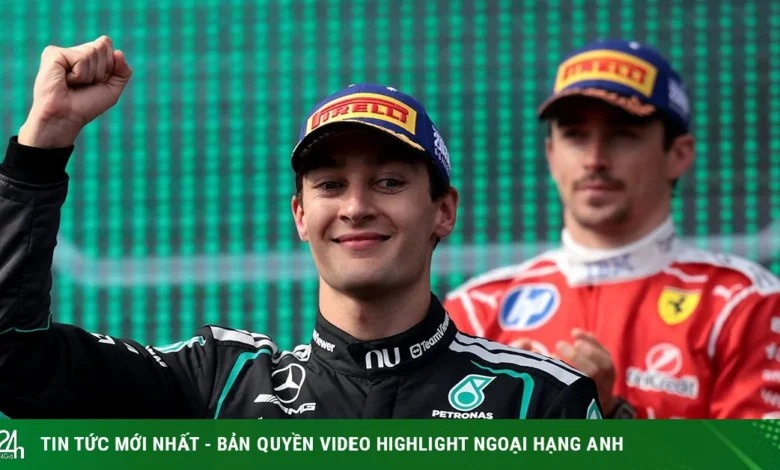
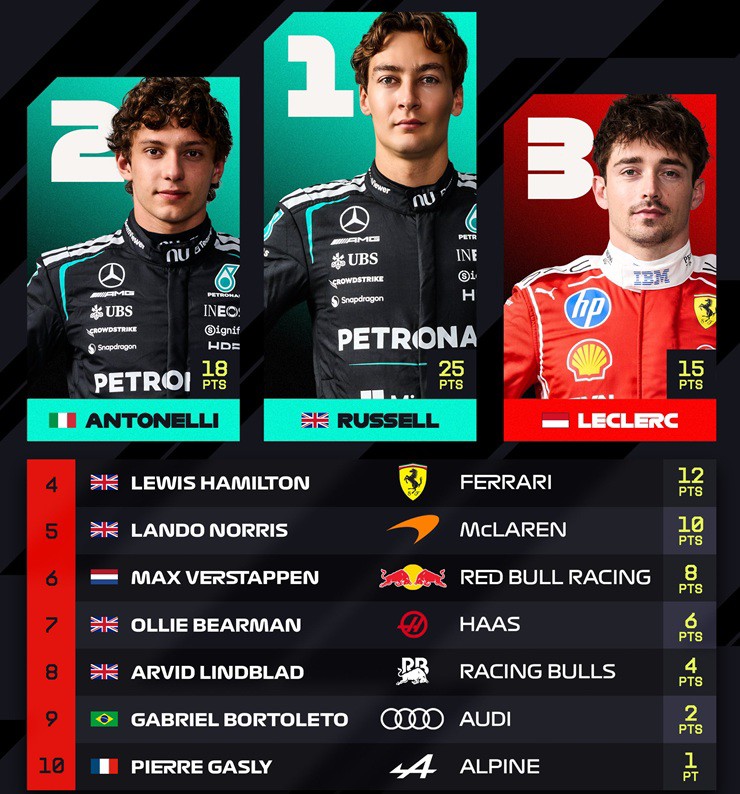
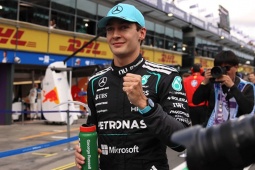
The 2026 Formula 1 season ignited with a display of high-octane drama at the Albert Park Circuit in Melbourne, where Mercedes-AMG Petronas F1 Team claimed a commanding 1-2 victory. George Russell emerged as the victor of the Australian Grand Prix, navigating a race defined by strategic volatility, technical failures, and a series of disruptive safety interventions. His teammate, Kimi Antonelli, secured the second position, cementing a perfect start to the team’s campaign in this new era of Formula 1 regulations.
The race, which marked the inaugural Grand Prix of the 2026 season, saw Ferrari’s Charles Leclerc take the final spot on the podium, narrowly fending off an aggressive challenge from Lewis Hamilton. The result provides an early-season narrative shift, signaling that the technical overhaul implemented this year has significantly leveled the playing field, moving away from the dominance seen in previous cycles.
A Tactical Masterclass at Albert Park
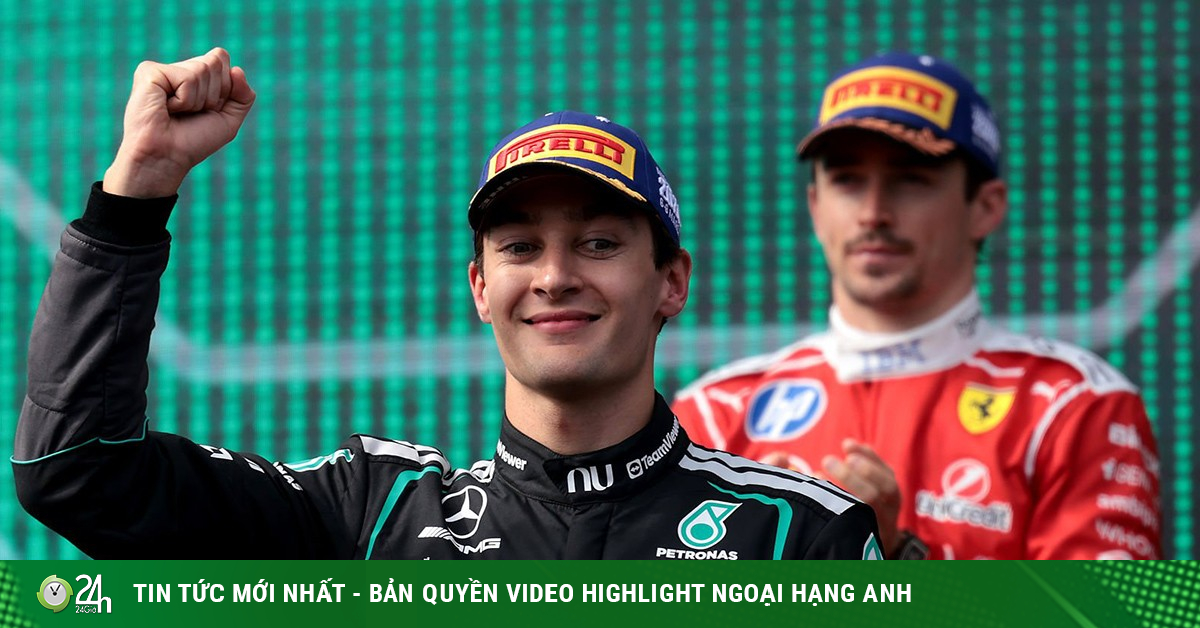
From the start, the race was characterized by a fierce duel between George Russell and Charles Leclerc. For the first nine laps, the two drivers traded the lead position six times, showcasing the agility of the new generation of cars. However, the race’s turning point occurred at the hands of the Ferrari pit wall. A tactical miscalculation regarding the timing of pit stops allowed Russell to leapfrog the competition and establish control over the race pace.
As the track conditions fluctuated, Russell’s ability to manage his tires proved superior. He crossed the finish line 2.9 seconds ahead of Antonelli, whose consistent performance throughout the weekend proved instrumental in securing Mercedes’ 1-2 finish. Leclerc, who had spent much of the race fighting at the front, was eventually relegated to third, feeling the immense pressure from Lewis Hamilton, who was making his debut for the Ferrari outfit. Hamilton’s fourth-place finish was a testament to his adaptability, though he expressed frustration at the team’s inability to capitalize on the Virtual Safety Car (VSC) window.
Chronology of a High-Stakes Afternoon
The complexity of the race was amplified by several on-track incidents that forced the hand of race control. The first major disruption occurred at lap 11 when Isack Hadjar’s Red Bull suffered a mechanical failure, triggering a Virtual Safety Car period. This moment served as the definitive pivot of the race.
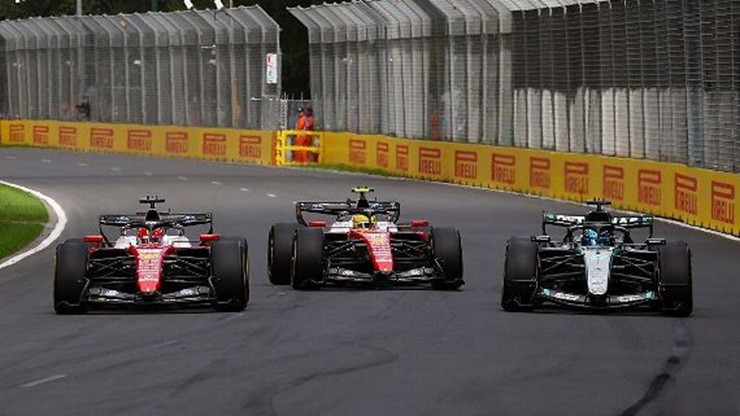
Mercedes reacted with clinical precision, calling both Russell and Antonelli into the pits for fresh rubber. In contrast, Ferrari opted to keep Leclerc on track, a decision that proved detrimental to his race management. Hamilton, realizing the potential for an undercut, voiced his concerns over the team radio: "At least one of us should have pitted," he remarked, noting the clear strategic error that compromised his chances of a debut podium for his new team.
When the race resumed at lap 14, Russell, equipped with fresher tires, immediately began closing the gap to the leaders. Leclerc eventually pitted on lap 25, but the momentum had already shifted. By lap 28, Russell had successfully overtaken Hamilton to reclaim the lead, effectively dictating the remainder of the race.
The incident involving Oscar Piastri at the start of the race served as a somber reminder of the high stakes in the 2026 season. The McLaren driver suffered a suspension failure at turn four, resulting in significant damage to his car and an early exit from the event. Meanwhile, reigning champion Lando Norris faced a challenging day, finishing fifth but trailing the leader by 51 seconds. Max Verstappen, starting from the back of the grid in 20th place, provided the day’s most impressive recovery drive, fighting his way through the field to finish in sixth position.
The Struggles of Aston Martin and Mid-Field Dynamics
While the front-runners battled for the win, the lower half of the grid faced a series of technical hurdles. Aston Martin, in particular, suffered a dismal start to the 2026 season. Fernando Alonso was among the five drivers forced to retire early, while his teammate Lance Stroll struggled with a series of technical issues that left him 15 laps behind the race leader by the time the checkered flag fell.
The performance of younger drivers like Ollie Bearman and Arvid Lindblad provided a glimpse into the future of the sport. Both drivers showed maturity beyond their years, finishing seventh and eighth respectively, navigating the chaotic race without succumbing to the pressure that claimed more experienced veterans.
Official Statements and Internal Reflections
Following the victory, George Russell was visibly elated, praising the engineering efforts that went into the W17 platform. "It’s fantastic," Russell stated over the team radio shortly after crossing the finish line. "I love this car, and I absolutely love this power unit."
The sentiment within the Mercedes garage was one of measured relief and pride. The 1-2 finish in Melbourne serves as a validation of the team’s rigorous development program during the off-season. For Hamilton, the focus remains on the learning curve of the new Ferrari machinery. While the team’s strategic error was a point of contention, the overall pace of the car suggests that Hamilton will remain a serious contender for the remainder of the season.
Broader Implications of the 2026 Regulations
The Australian Grand Prix provided a tangible look at how the 2026 technical regulations—focused on active aerodynamics and sustainable fuels—are impacting real-world performance. The increased reliance on driver-managed energy deployment has made pit stop timing more critical than ever.
The fact that Red Bull’s Max Verstappen could recover from the back of the grid to finish sixth indicates that the field spread may be narrower than in previous years, potentially leading to more competitive qualifying sessions and race weekends. However, the high rate of mechanical retirements suggests that teams are still grappling with the reliability of the new, more complex power units.
As the F1 circus prepares for the next leg of the season, the paddock is abuzz with questions regarding whether Mercedes’ dominance is a permanent feature of the 2026 season or a temporary peak caused by specific track characteristics at Albert Park. With Ferrari’s evident pace and the resilience shown by McLaren and Red Bull, the upcoming races are expected to provide a clearer picture of the hierarchy.
Data Summary and Race Results
- Winner: George Russell (Mercedes)
- Second Place: Kimi Antonelli (Mercedes)
- Third Place: Charles Leclerc (Ferrari)
- Fastest Lap: George Russell
- Total Retirements: 5 (Including Fernando Alonso and Oscar Piastri)
- Key Turning Point: Lap 11, Virtual Safety Car deployment
The outcome of this race has fundamentally altered the championship standings before they have even truly begun to stabilize. By securing the maximum points available, Mercedes has signaled their intent to reclaim the Constructors’ Championship. Conversely, the early-season drama at Ferrari and the technical difficulties faced by Aston Martin highlight the volatility inherent in this new era of racing.
As the sport moves forward, the focus will inevitably shift toward how teams refine their strategies and improve the reliability of their new packages. The 2026 Australian Grand Prix will likely be remembered not just for the spectacle of a Mercedes 1-2, but as the moment the new regulatory framework truly began to reshape the competitive landscape of Formula 1. With the next race on the horizon, the pressure is now on Ferrari to rectify their strategic lapses and for the remaining teams to close the gap that Russell and his team established in Melbourne. The path to the 2026 World Championship has officially been paved, and if this opening round is any indication, it promises to be one of the most unpredictable seasons in recent history.