Ukrainian President Volodymyr Zelensky Vows Sweeping Security Service Purge Following Massive Corruption Scandal Exposed by Anti-Corruption Agencies

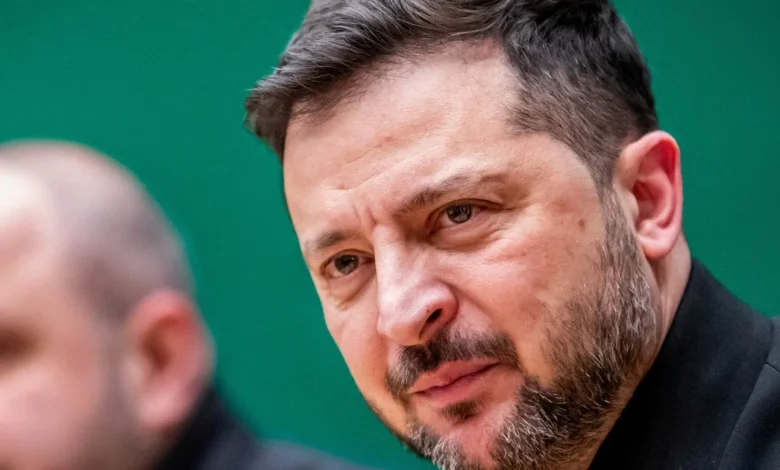
Ukraine is facing a profound political and institutional reckoning following the exposure of a vast, high-level criminal enterprise operating from within its primary security and law enforcement agencies. The scandal, which came to light in early November, has triggered widespread public outrage across the war-torn nation, where citizens are enduring immense hardship amid the ongoing military conflict with Russia. In response to the escalating crisis, President Volodymyr Zelensky has made a firm commitment to implement sweeping structural and personnel decisions, targeting the highest echelons of the Security Service of Ukraine (SBU) and related law enforcement bodies.
The revelations have struck a severe blow to the Ukrainian government’s ongoing efforts to project institutional integrity, particularly as the country strives to meet stringent governance standards required for future integration into the European Union and to maintain the steady flow of vital international financial and military assistance. As investigators dig deeper into the operation of the syndicate, the scandal has transformed from a routine law enforcement crackdown into a major national security crisis that threatens to undermine public trust in the state’s apparatus during its most vulnerable historical juncture.
Anatomy of an Enormous Criminal Syndicate
The scandal broke when Ukraine’s specialized anti-corruption infrastructure—led by the National Anti-Corruption Bureau of Ukraine (NABU) and the Specialized Anti-Corruption Prosecutor’s Office (SAPO)—publicly announced a series of sweeping criminal charges against several high-ranking officials within the security and law enforcement sectors. These officials are accused of orchestrating, protecting, and directly participating in a multi-layered criminal syndicate of staggering proportions.
According to detailed briefings provided by NABU investigators, the syndicate operated a vast network of scam call centers utilizing sophisticated telecommunications infrastructure. This network reportedly employed approximately 2,700 operators who systematically defrauded citizens both within Ukraine and across international borders. Beyond large-scale financial fraud, the enterprise diversified its illicit operations to include extensive narcotics trafficking, the illicit manufacturing of counterfeit currency, and the production of contraband tobacco products.
What has particularly shocked the Ukrainian public and investigators alike is the direct involvement of high-ranking personnel from the Security Service of Ukraine (SBU), the National Police, and the Prosecutor General’s Office. Rather than serving as a bulwark against organized crime, these corrupt officials allegedly provided critical institutional cover, shielding the criminal networks from law enforcement oversight, tipping them off about impending raids, and helping to launder the proceeds of their illegal activities. Investigators have also uncovered evidence suggesting that certain rogue officials actively participated in more violent criminal enterprises, including planning kidnappings and enforcing extortion schemes on behalf of the syndicate leaders.
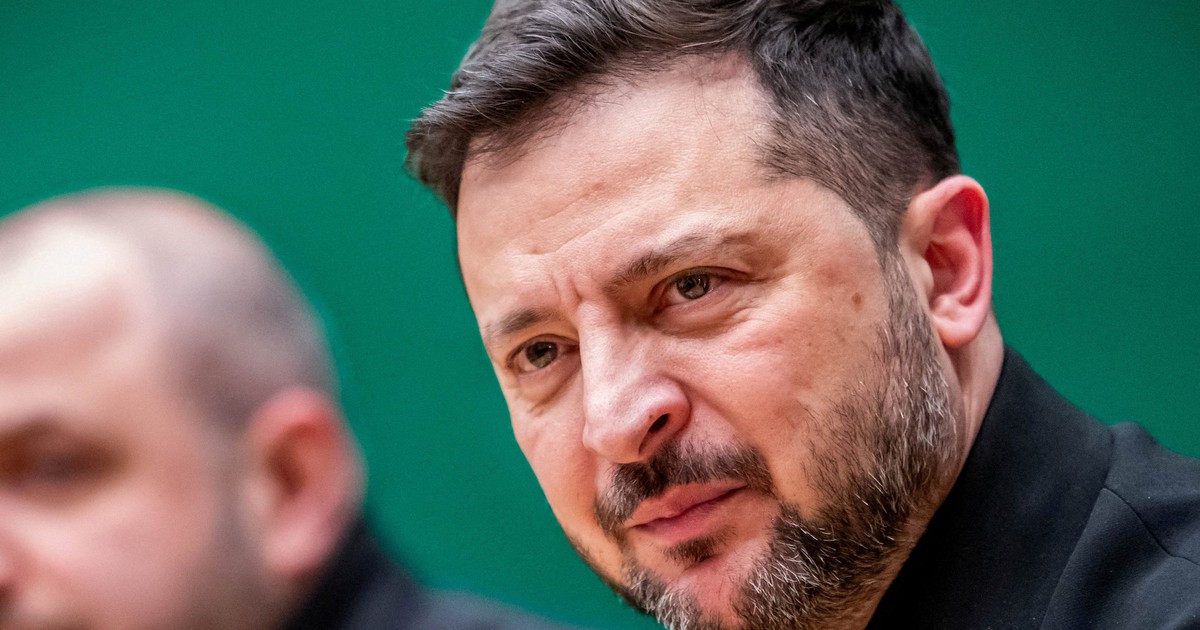
The sheer scale of the operation—spanning multiple regions, involving thousands of individuals, and generating millions of dollars in illicit revenue—highlights deep-seated systemic vulnerabilities that previous anti-corruption reforms had failed to eradicate. The involvement of personnel entrusted with state security has raised alarming questions regarding insider threats and institutional capture during wartime.
President Zelensky’s Swift and Uncompromising Response
In an address delivered on November 7, President Volodymyr Zelensky did not mince words when addressing the gravity of the situation. Describing the criminal activities uncovered by NABU as "frankly disgraceful and completely unacceptable," the Ukrainian leader signaled that the government’s tolerance for corruption has reached its absolute limit.
"There have already been cases of dismissal at the Security Service of Ukraine because of this, and there will be other personnel decisions," President Zelensky stated, emphasizing his personal oversight of the investigation. He assured the public that the state would ensure the probe is conducted with maximum rigor, leaving no stone unturned and delivering clear, undeniable legal outcomes.
The political imperative for such a decisive response cannot be overstated. Ukraine is currently fighting an existential war for survival against Russian aggression, requiring immense sacrifices from its civilian population and frontline soldiers. Reports of top-tier law enforcement officials enriching themselves through organized crime while the nation bleeds have caused profound public indignation. For President Zelensky, swift accountability is not merely a matter of administrative housekeeping, but a vital necessity to preserve social cohesion and morale.
Legal Action, Arrests, and Legislative Countermeasures
The judicial and investigative response has moved at a rapid pace. On November 6, a Ukrainian court issued an official arrest warrant for a senior SBU colonel directly implicated in the corruption scheme. This high-profile detention follows the arrest and remand of two senior police officers and another key suspect earlier in the week. Legal experts anticipate that additional indictments and detentions will follow as NABU expands the scope of its investigation to trace the full financial and operational network of the syndicate.
In addition to personnel purges and criminal prosecutions, President Zelensky announced that he has formally proposed comprehensive new legislation designed to close legal loopholes exploited by corrupt elements within the security apparatus. The proposed law mandates that all personnel within the SBU must submit comprehensive, publicly accessible asset declarations.
Asset disclosure has long served as one of Ukraine’s most effective transparency and anti-corruption tools, allowing civil society organizations, investigative journalists, and anti-corruption watchdogs to monitor the lifestyle and financial standing of public servants. While security agencies have historically enjoyed exemptions from certain public transparency measures due to the sensitive nature of their work, the recent scandal has demonstrated that absolute secrecy can become a breeding ground for impunity. Imposing mandatory asset declarations on SBU personnel marks a significant step toward institutional accountability.
The Role and Stature of the Security Service of Ukraine (SBU)
The Security Service of Ukraine is one of the most powerful and heavily resourced institutions in the country, wielding sweeping authorities across domestic law enforcement, counterintelligence, and military operations. Since the full-scale Russian invasion in 2022, the SBU’s military wing has played a crucial role in national defense, conducting high-profile asymmetric strikes against strategic targets inside Russian-held territory and executing daring counter-sabotage campaigns.
However, the immense wartime powers entrusted to the SBU have also complicated oversight mechanisms. While the vast majority of its personnel remain dedicated to defending the nation, the existence of rogue elements engaging in syndicate protection and racketeering underscores the perennial challenge of reforming legacy security structures. Balancing the operational imperatives of a wartime intelligence agency with the stringent accountability demands of a modern European democracy remains one of Kyiv’s most complex governance challenges.
Broader Implications for European Integration and International Aid
The timing of this corruption scandal carries profound geopolitical ramifications. Ukraine is currently navigating the rigorous accession process to join the European Union, a journey that requires demonstrable, sustained progress in structural reforms, the rule of law, and the eradication of systemic corruption. European capitals and international financial institutions closely monitor Kyiv’s anti-corruption performance to ensure that billions of dollars in foreign aid and reconstruction funds are managed with transparency and protected from misappropriation.
By allowing independent anti-corruption bodies like NABU and SAPO to investigate and publicly charge high-ranking security officials, the Ukrainian government has demonstrated the operational independence and resilience of its anti-corruption architecture. Analysts note that while the scandal itself is deeply embarrassing for the state, the aggressive and transparent manner in which Kyiv is handling the fallout sends a strong signal to international partners: Ukraine is willing to police its own house, even when the wrongdoers wear the uniform of the state’s most elite security agencies.
As the investigation unfolds over the coming weeks, the nation will be watching closely to see whether these high-level dismissals and arrests translate into lasting structural reform. For President Zelensky and his administration, the outcome of this crisis will serve as a defining test of their ability to root out corruption permanently and secure a transparent, democratic future for Ukraine.