The Collapse of Ascend Elements and the Fragile Future of American Battery Recycling Initiatives

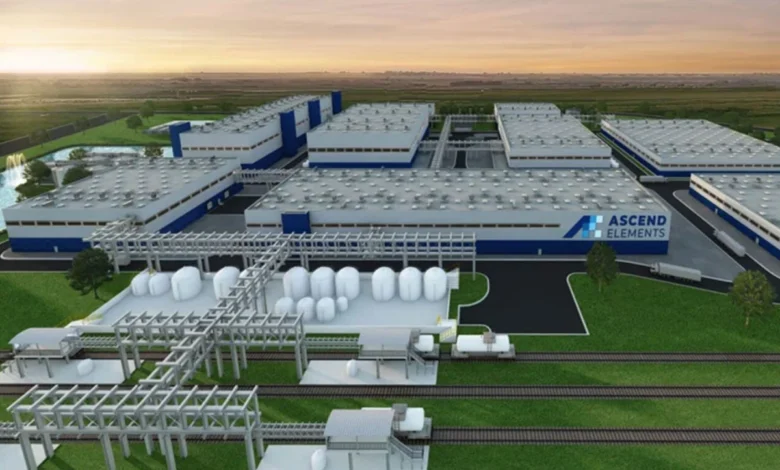
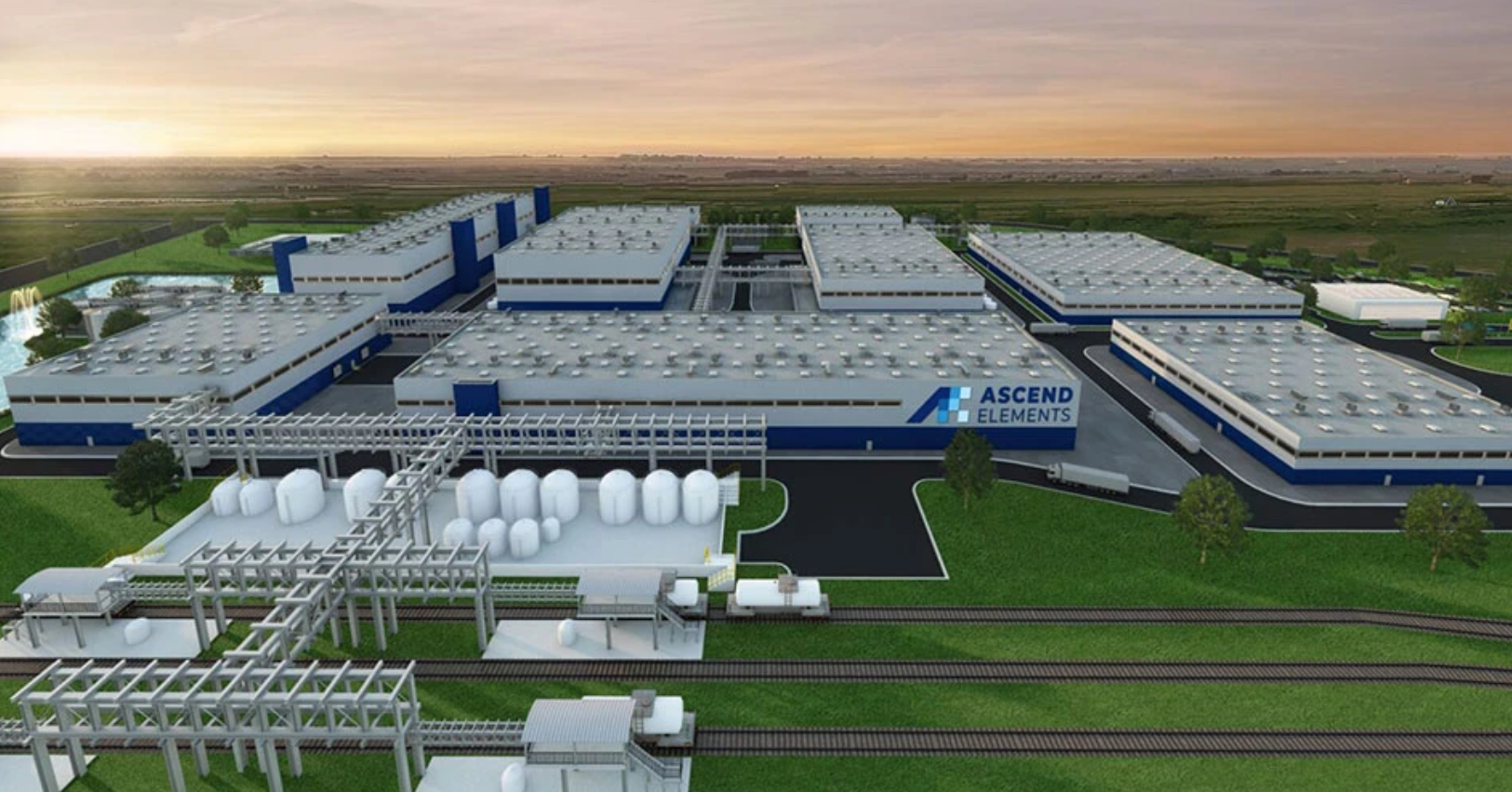
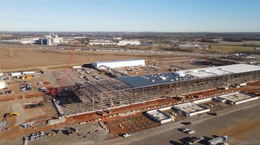
In 2022, the American green technology sector celebrated a landmark moment as Ascend Elements, a high-profile startup based in Massachusetts, announced plans to construct the largest lithium-ion battery recycling facility in the United States. Located in the rural landscape of Hopkinsville, Christian County, Kentucky, the project was envisioned as a cornerstone of the Biden administration’s push to localize the supply chain for electric vehicle (EV) batteries. Backed by nearly $900 million in private investment and significant federal support, the "Apex 1" facility was hailed as a symbol of domestic industrial renewal. However, by April 2026, the dream had dissolved into a bankruptcy filing in a Texas court, leaving a half-finished, silent industrial monument and raising critical questions about the viability of the burgeoning battery recycling market.
A Vision of Circular Energy
Ascend Elements was founded in 2015, emerging from the research laboratories of Worcester Polytechnic Institute. Its core technology, dubbed "Hydro-to-Cathode," promised to revolutionize the industry by transforming spent lithium-ion batteries into high-quality cathode active materials (CAM). This process was marketed as more cost-effective and significantly more environmentally sustainable than traditional mining and processing of raw minerals.
The company’s promise attracted heavy hitters in the automotive and energy sectors, including Honda and SK On, which poured hundreds of millions into the company’s vision. At one point, industry reports suggested the company had secured a contract worth $1 billion with Tesla, positioning itself as a vital link in the EV transition. With the backing of the Department of Energy (DOE) and an ambitious timeline, the Apex 1 project in Kentucky was designed to span 6.1 million square feet, with the capacity to recycle the batteries of hundreds of thousands of electric vehicles annually while creating 400 high-skilled jobs.
The Chronology of a Collapse
The downfall of the Apex 1 project was not an overnight occurrence but a systemic failure driven by over-expansion, policy volatility, and mismanagement.
- 2022: Ascend Elements secures federal support and begins construction in Hopkinsville, Kentucky. The company is valued highly as a leader in sustainable technology.
- September 2023 – February 2025: A period of internal turmoil, where federal investigators later found the company engaged in fraudulent billing practices to the DOE, including inflating labor costs and purchasing unnecessary equipment.
- February 2025: Following a shift in market conditions and internal re-evaluations, Ascend and the DOE agree to terminate a $164 million grant previously awarded to the company.
- October 2025: The incoming Trump administration rescinds a remaining $316 million in federal funding, of which approximately $206 million had already been disbursed. This left the company with a massive funding gap and over $100 million in losses.
- April 2026: Facing mounting debt and an unfinished facility that remains only 65% complete, Ascend Elements files for Chapter 11 bankruptcy in Texas.
- July 2026: The company reaches a $7.5 million settlement with the Department of Justice to resolve allegations that it defrauded the DOE by padding invoices for federal reimbursement.
Mismanagement and Policy Whiplash
Analysts have pointed to three primary factors that turned a "green tech" success story into a cautionary tale. The first is a classic case of corporate hubris. One industry insider famously compared the company’s management style to "a person who has never driven a car jumping into a Lamborghini, trying to race on a track, and slamming into a tree." The pressure to compete with aggressive rivals like Redwood Materials and Li-Cycle forced Ascend into a cycle of cost overruns and constant, expensive design changes that the company’s infrastructure was not equipped to handle.
The second factor is the volatile nature of federal subsidies. The Apex 1 facility was heavily dependent on grants from the Department of Energy. When the political landscape shifted, the resulting policy reversals—specifically the cancellation of hundreds of millions in promised funds—dealt a lethal blow to the company’s liquidity. In a sector that requires massive upfront capital, the sudden withdrawal of state support effectively paralyzed operations.
Finally, the collapse of global lithium prices and a cooling in the aggressive growth of the electric vehicle market created a "perfect storm." With the price of raw lithium plummeting, the economic model for recycling batteries became significantly less attractive than it appeared during the initial boom period of 2021 and 2022.
Legal and Financial Fallout
The $7.5 million settlement with the Department of Justice brought to light systematic internal failures. Between late 2023 and early 2025, Ascend repeatedly submitted requests to the DOE for reimbursement on expenses that were either non-existent or unnecessary. This included the procurement of equipment that was never put into service and the inflation of workforce numbers to secure additional grant tranches.
The DOE, which had authorized over $5.3 million in improper payments before identifying the discrepancies, noted that Ascend’s eventual cooperation in the investigation helped mitigate further legal penalties. However, the financial damage to the project was irreversible. During the bankruptcy proceedings, the site itself—a massive, partially completed shell—became the subject of a liquidation sale. Ironically, the winner of the construction assets was Turner-Kokosing Joint Venture, the very contractor that had been building the plant. The construction firm, owed $138 million in unpaid labor and materials, took ownership of the site to mitigate its own losses.
Broader Implications for Green Technology
The failure of Ascend Elements sends a chilling message to the venture capital and policy sectors regarding the risks of industrial-scale green initiatives. The incident highlights the "death valley" between laboratory success and full-scale commercial manufacturing. While the Hydro-to-Cathode technology remains scientifically sound, the operational execution proved that technological innovation is insufficient without robust financial oversight and a stable policy environment.
For the residents of Hopkinsville, the fallout is particularly painful. The promise of 400 jobs had been a point of civic pride, seen as a way to integrate the rural community into the high-tech future of the American automotive industry. Today, the town is left with a skeleton of a factory and a sobering reminder of the volatility inherent in energy transitions.
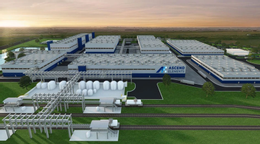
Christian County Judge-Executive Jerry Gilliam has indicated that the current owners, Turner-Kokosing, are actively seeking a new, potentially more stable manufacturer to purchase the facility. Whether a new buyer will emerge to revive the project remains speculative.
The case of Ascend Elements serves as a critical case study for policymakers. It demonstrates that as the United States attempts to reshore critical industries, the reliance on government grants must be balanced by rigorous auditing and a realistic assessment of market fluctuations. As the industry matures, the focus will likely shift from the sheer volume of investment to the operational maturity and financial transparency of the companies receiving those funds. For now, the silent machines in Hopkinsville stand as a testament to the risks of chasing a green future without a sustainable business roadmap.
Related posts: