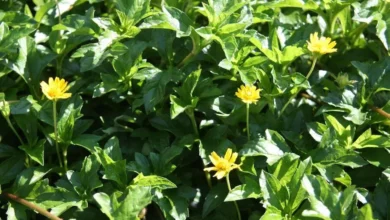
Rau đay: Nutritional Powerhouse and Its Role in Vietnamese Culinary Tradition and Modern Health

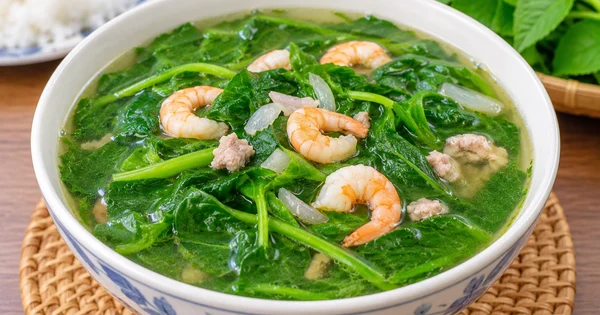
Rau đay, known scientifically as Corchorus olitorius L. and belonging to the Malvaceae family, has long been a staple in the Vietnamese culinary landscape. Often synonymous with the sweltering heat of summer, this leafy green is celebrated for its unique mucilaginous texture and high nutrient density. While it is frequently relegated to the status of a simple, humble side dish, emerging nutritional research and long-standing culinary practices underscore its importance as a significant source of vitamins, minerals, and dietary fiber. Despite its traditional reputation, modern medical experts emphasize a balanced approach to its consumption, cautioning that while it contributes positively to digestive health, it should not be viewed as a panacea for chronic ailments.
Botanical and Nutritional Profile of Corchorus olitorius
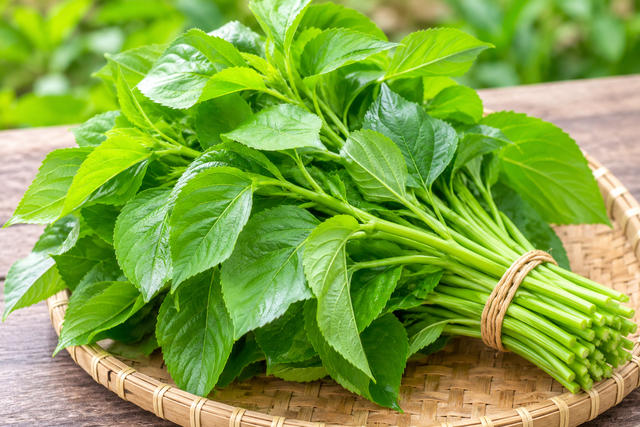
Rau đay is a resilient plant, thriving in tropical and subtropical climates, which explains its prevalence in Southeast Asian agriculture. The plant is primarily valued for its young leaves and shoots, which are harvested for soups, stews, or boiled side dishes. The most distinctive characteristic of the plant is the viscous, jelly-like substance—often referred to as "mucilage"—that is released when the leaves are chopped or cooked. This substance is not merely a textural curiosity; it is a soluble fiber that plays a vital role in gastrointestinal function.
According to data provided by the United States Department of Agriculture (USDA), 100 grams of raw rau đay contains approximately 4.76 mg of iron and 37 mg of vitamin C. Even after the cooking process, the nutritional retention remains impressive, with boiled and drained leaves offering about 3.14 mg of iron and 33 mg of vitamin C. Beyond these primary nutrients, the vegetable is a rich source of beta-carotene, folate, calcium, and potassium.
The synergy between the iron content and vitamin C in rau đay is particularly noteworthy. Vitamin C is a critical factor in enhancing the body’s ability to absorb non-heme iron—the type of iron found in plant-based sources. For individuals with diets low in animal protein, incorporating such vitamin-C-rich greens is an effective strategy for maintaining adequate iron levels and preventing iron-deficiency anemia. However, the bioavailability of these nutrients is subject to variations based on soil quality, cultivation methods, and the specific variety of the plant being harvested.
Historical Context and Traditional Use
For centuries, rau đay has occupied a central place in Vietnamese traditional medicine and folklore. Historically, the plant was favored for its "cooling" properties, often prescribed or consumed during the summer months to alleviate heat-related discomfort and promote healthy bowel movements. The mucilaginous fiber acts as a natural laxative, making it a common remedy for constipation.
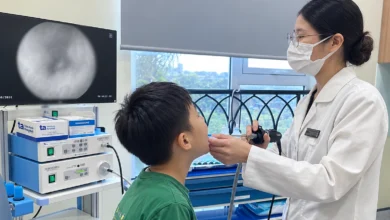
Beyond general health, the plant holds a specific place in postpartum care. In many rural communities, it has been traditionally prepared for women who have recently given birth, based on the belief that it encourages lactation and aids in the recovery of the reproductive system. While these practices are deeply embedded in the cultural fabric, medical professionals today suggest a nuanced view. Dr. Nguyễn Trần Nhự Thầy, a specialist at the University Medical Center Ho Chi Minh City (Campus 3), notes that while these traditions reflect the plant’s nutritional density, they must be distinguished from clinical treatments.
"We must differentiate between traditional experience and scientific evidence," Dr. Thầy stated. "While rau đay is an excellent source of iron and fiber for a balanced diet, it cannot replace medical diagnosis and treatment for patients suffering from diagnosed iron-deficiency anemia or other underlying health conditions."
Modern Perspectives and Medical Guidance
In the contemporary health landscape, the consumption of traditional greens is often scrutinized under the lens of evidence-based nutrition. One of the most frequently asked questions regarding rau đay is its potential impact on longevity. While there is currently no clinical evidence to suggest that the direct consumption of rau đay can "increase life expectancy" as a singular factor, its role in a broader, healthy diet is undeniable.
Dr. Thầy emphasizes that health and longevity are the results of a multi-faceted approach, including a diverse diet, regular physical activity, and the management of chronic conditions. "Eating rau đay is a positive habit, but it is the aggregate of all nutritional choices and the control of chronic diseases that hold the most significance for long-term health," he remarked.
Culinary Integration and Dietary Best Practices
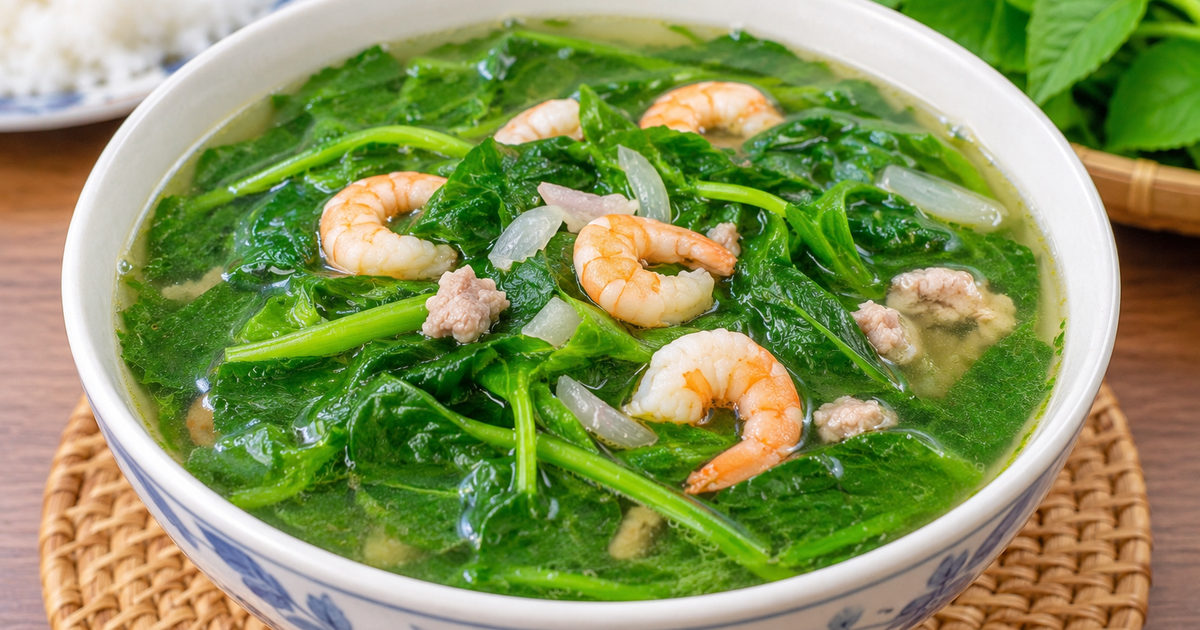
The versatility of rau đay in the kitchen allows for various preparations that can satisfy diverse nutritional needs. In Vietnamese households, it is frequently combined with ingredients such as freshwater crab, shrimp, or luffa (mướp) and Malabar spinach (mồng tơi). This combination not only enhances the flavor profile but also increases the overall nutritional quality of the meal by introducing a wider spectrum of proteins and micronutrients.
Despite its benefits, there are clear guidelines for its inclusion in a daily diet:
- Moderation and Variety: As with any food, over-reliance on a single vegetable is discouraged. A monotonous diet limits the range of micronutrients consumed. Rotating rau đay with other leafy greens ensures a more robust nutritional intake.
- Digestive Sensitivity: Individuals experiencing digestive distress, such as diarrhea, are advised to monitor their intake. Because of the fiber content and the mucilaginous nature of the plant, excessive consumption during periods of gastrointestinal sensitivity may aggravate symptoms.
- Pediatric Introduction: For infants, rau đay can be introduced when the child begins consuming solid foods, typically around six months of age. It must be thoroughly cooked and finely chopped or pureed to ensure it is easily digestible and poses no choking hazard.
- Pregnancy Considerations: While pregnant women can safely consume rau đay as part of a standard, well-balanced diet, medical professionals warn against the self-prescribed use of concentrated herbal decoctions or extracts derived from the plant. Such preparations should only be used under the guidance of a physician.
Broader Implications for Public Health
The ongoing interest in nutrient-dense, locally sourced vegetables like rau đay aligns with global trends toward sustainable and healthy eating. By understanding the chemical composition of these plants—specifically the role of iron and soluble fiber—public health initiatives can better promote diet-based interventions for common deficiencies.
Furthermore, the study of such plants encourages a "food as medicine" philosophy that does not ignore the necessity of modern medical intervention. The case of rau đay serves as a reminder that traditional knowledge and modern science are not mutually exclusive. When properly integrated, traditional dietary practices can serve as a foundation for preventative health, provided that the public maintains an awareness of their limitations.
Conclusion
Rau đay remains a testament to the wisdom of traditional dietary choices. Its ability to provide essential iron, vitamin C, and fiber makes it a valuable ally in the fight against malnutrition and digestive issues. However, the transition of this vegetable from a traditional home-cooked staple to a recognized component of a health-conscious diet requires a balanced understanding. By focusing on diversity, preparation methods, and the recognition that food is a supportive element rather than a replacement for professional healthcare, the community can continue to benefit from this, and other, nutritional powerhouses. As science continues to investigate the properties of common vegetables, the humble bowl of rau đay soup remains a relevant, healthy, and culturally significant part of the daily diet.