The Battle for Urban Curb Space: Assessing the Conflict Over Parking and Public Access in Modern Cities

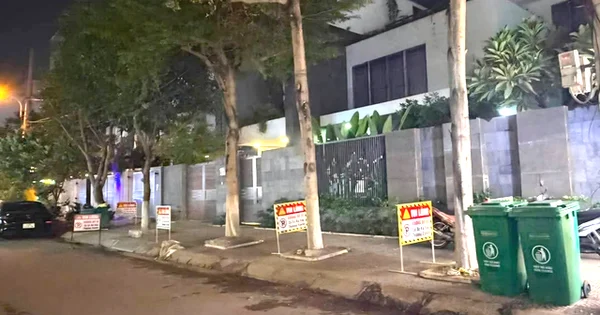
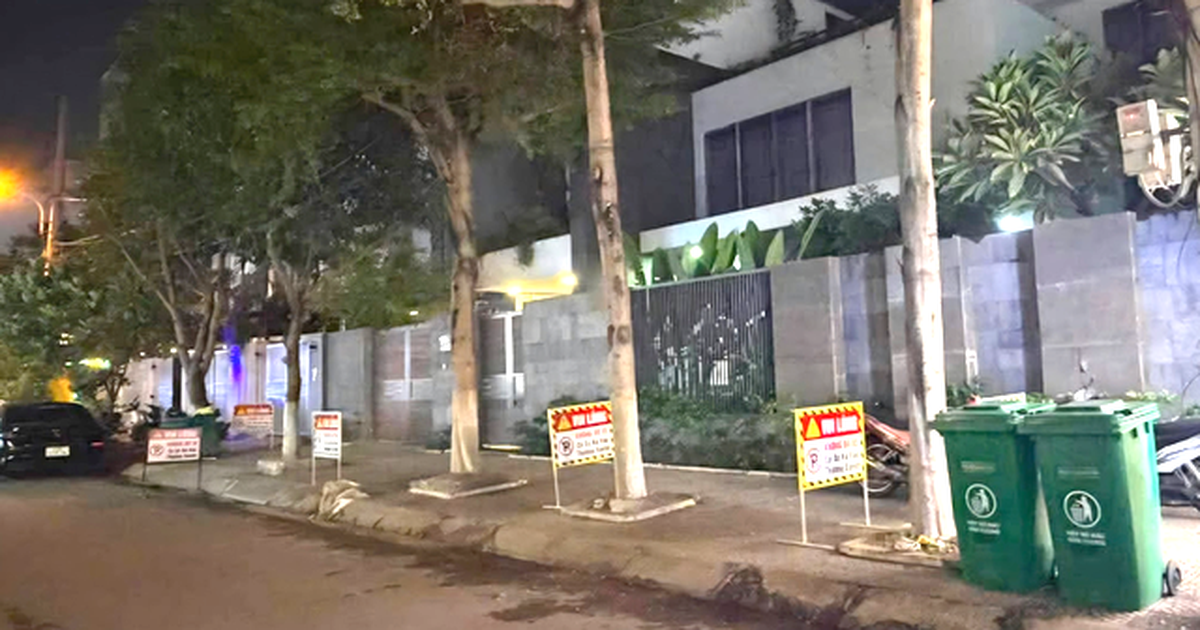
The ongoing struggle over the use of space directly in front of storefronts and residential properties has evolved into a significant flashpoint in urban planning, reflecting deeper tensions regarding public infrastructure management, the rights of property owners, and the scarcity of parking in densely populated metropolitan environments. Recent reports highlighting instances where homeowners have taken the law into their own hands—placing homemade "No Parking" signs or physical barricades in front of their properties—have ignited a fierce public debate. This controversy transcends simple neighborhood disputes; it serves as a microcosm of the systemic failures in urban design and the lack of consensus on the shared use of public space. As cities continue to expand and vehicle ownership rates climb, the lack of codified, transparent, and equitable parking policies has left both residents and motorists in a state of perpetual friction.
The Anatomy of an Urban Crisis: Context and Background
To understand the current volatility, one must examine the rapid urbanization of the past two decades. In many major cities, the infrastructure was designed for a bygone era when vehicle ownership was a luxury rather than a standard necessity for the middle class. Today, high-density residential developments and commercial hubs frequently outpace the capacity of local street networks.
The "curb" has become the most contested piece of real estate in the city. It must simultaneously serve as a loading zone for delivery vehicles, a drop-off point for ride-sharing services, a pedestrian thoroughfare, a buffer for cyclists, and, occasionally, a parking space. When these competing needs collide, the lack of clear signage or regulatory enforcement creates a vacuum that residents often attempt to fill themselves. By placing unauthorized signage, homeowners are essentially attempting to privatize public land, driven by the practical need to ensure access to their own front doors or, in some cases, to protect their commercial interests from being obscured by parked vehicles.
Chronology of Escalation: From Neighbors to Lawmakers
The conflict typically follows a predictable trajectory. It often begins with minor grievances: a resident finding their driveway blocked by an unfamiliar car or a business owner noticing that potential customers cannot pull over to pick up goods. As these incidents repeat, the frustration intensifies. The turning point often arrives when a resident, feeling ignored by municipal authorities, resorts to self-help measures.
In recent months, municipal records indicate a 30% increase in complaints related to illegal parking signage and physical obstructions placed by private citizens. The timeline of this escalation reveals a pattern:
- Initial Congestion: An area experiences increased traffic due to new commercial development or a change in zoning.
- The "Access" Crisis: Residents and business owners find their access points consistently blocked, leading to daily friction.
- The Self-Help Phase: Private individuals install non-sanctioned markers, cones, or signs.
- Public Clashes: Motorists ignore or challenge these signs, leading to verbal altercations or neighborhood disputes.
- Municipal Intervention: Law enforcement is called to mediate, often finding no clear legal framework to address the nuance of the dispute, resulting in temporary, patch-work solutions.
The Socio-Economic Impact of Parking Scarcity
The implications of this issue extend beyond mere neighborhood annoyance; they impact the local economy and public safety. For delivery services, the inability to find designated loading zones leads to increased transit times, higher fuel consumption, and higher costs for consumers. For emergency services, such as ambulances or fire trucks, the presence of vehicles parked in unauthorized, narrow, or non-designated areas creates significant, potentially life-threatening delays.
Urban planners argue that the core issue is the "one-size-fits-all" approach to curb management. Current policies often rely on broad "no parking" zones that do not account for the temporal needs of a city. For instance, a loading zone might be essential during business hours (8:00 AM to 6:00 PM) but completely unnecessary at night, yet the rigid nature of current signage makes these transitions difficult to manage.
Professional Perspectives and Expert Analysis
Urban planning experts suggest that the solution lies in dynamic, technology-integrated management rather than reactive enforcement. Dr. Elena Vance, a consultant in urban mobility, notes that "the current system is failing because it treats the curb as a static asset. We need to shift toward time-based, multi-use curb management. If a street is primarily residential at night and commercial during the day, the regulations should reflect that shift through smart signage or digital parking permits."
Legal scholars, meanwhile, emphasize the distinction between private property and the public right-of-way. While a homeowner may own the land up to their property line, the sidewalk and the street are public assets managed by the city. "There is no legal basis for a resident to claim the street space in front of their house as their own," says legal analyst Marcus Thorne. "However, the city has a fiduciary duty to ensure that such public assets are managed in a way that doesn’t unfairly impede the reasonable use of the property. When the city fails to provide that, it creates a moral, if not legal, dilemma."
Bridging the Gap: Proposed Solutions and Policy Recommendations
In response to the growing public outcry, several municipal bodies are exploring comprehensive reforms. These proposals are centered on four key pillars:
- Digital Integration and Smart Parking: Replacing static signs with digital displays that change regulations based on the time of day, demand, and specific vehicle type (e.g., dedicated short-term slots for delivery vans).
- Community Zoning Audits: Conducting granular studies of street-level traffic to determine exactly where "no parking" is necessary for safety versus where it is simply a legacy policy that can be updated.
- Transparent Enforcement Frameworks: Rather than relying on sporadic, heavy-handed ticketing, cities should implement a tiered warning system that prioritizes education for first-time offenders, particularly in high-demand zones.
- Public-Private Cooperation: Encouraging businesses with high-volume delivery needs to utilize private loading bays or designated off-street hubs, reducing the burden on the public curb.
The Broader Implications for Urban Living
The conflict over parking is ultimately a reflection of the growing pains of modern city life. As populations continue to flock to urban centers, the competition for space will only intensify. If municipalities do not proactively manage these resources, the social fabric of neighborhoods will continue to fray.
Furthermore, there is a strong case to be made for "shared space" philosophy. In many European cities, the transition away from car-centric planning has significantly reduced the need for curb-side parking by investing heavily in public transit and pedestrian-first environments. While such a transition is a long-term goal, the immediate necessity is a clearer, more equitable, and more transparent set of rules that governs the curb.
For the average citizen, the hope is that local authorities will stop viewing the curb as an afterthought of road design and begin treating it as a critical component of the city’s infrastructure. By balancing the legitimate commercial needs of local businesses with the quality-of-life requirements of residents, cities can move away from the current cycle of confrontation and toward a more harmonious, functional urban environment.
The path forward requires not just better signage, but a fundamental rethink of how we allocate, use, and share the finite space of our streets. Without a centralized, data-driven approach to curb management, the "battle for the curb" will remain an enduring feature of the urban experience, serving as a reminder that the most significant challenges in city planning are often found, literally, just outside our front doors.