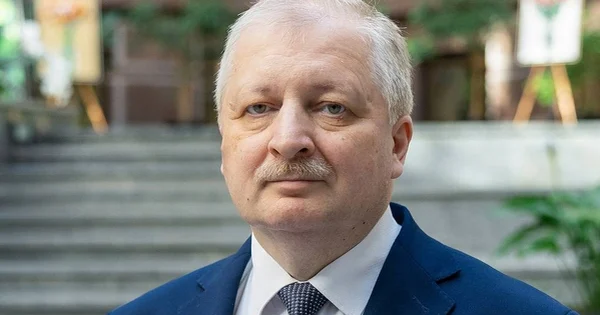
Official Confirmation and Tributes
The announcement, carried by the state-run TASS news agency, expressed deep sorrow on behalf of the leadership and staff of the Russian Foreign Ministry. In a formal statement, the ministry characterized Darchiev as an "outstanding diplomat, an experienced leader, a true friend, and a dedicated advisor."
Colleagues within the diplomatic community have described Darchiev as a highly professional figure who possessed a profound understanding of the intricacies of U.S.-Russia relations. His tenure in Washington was marked by the daunting task of maintaining a channel for dialogue between the two nuclear-armed powers during an era characterized by systemic friction and the erosion of traditional diplomatic frameworks.
A Career Dedicated to Global Diplomacy
Alexander Darchiev was a career diplomat whose professional trajectory was deeply intertwined with Russia’s North American policy. Before his appointment as Ambassador to the United States in March 2025 by President Vladimir Putin, Darchiev held several pivotal roles within the Russian Foreign Ministry.
His career was defined by his expertise in Western affairs, particularly regarding the challenges posed by the evolving security architecture in Europe and the Pacific. Throughout his decades of service, he was often regarded as a pragmatic operator, capable of navigating high-pressure environments. Prior to his ambassadorship, he served in various capacities that required deep institutional memory and technical expertise in sanction regimes, arms control negotiations, and bilateral security agreements.
Chronology of His Tenure
To understand the significance of his passing, one must look at the timeline of his recent service:
- Prior to 2025: Darchiev served in senior roles within the Ministry of Foreign Affairs, focusing on North American relations and strategic policy analysis.
- March 2025: President Vladimir Putin officially appointed Alexander Darchiev as the Ambassador Extraordinary and Plenipotentiary of the Russian Federation to the United States.
- March 2025 – November 2026: Darchiev navigated a complex diplomatic landscape, serving as the primary bridge between the Kremlin and the White House amidst ongoing international tensions.
- November 11, 2026: Alexander Darchiev passes away at the age of 66.
Diplomatic Context: The Role of an Ambassador in Strained Relations
The position of the Russian Ambassador to the United States has historically been one of the most challenging diplomatic assignments in the world. Since the geopolitical shifts that gained momentum in the early 2020s, the role has transitioned from one of fostering bilateral cooperation to one of damage control, crisis management, and the maintenance of essential communication lines.
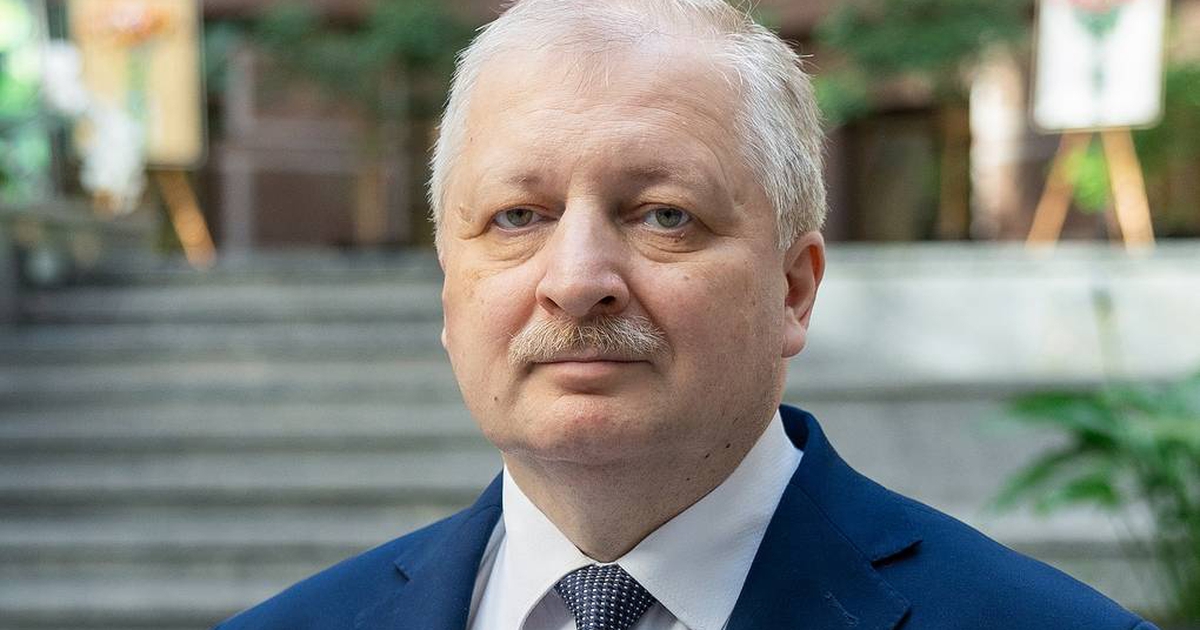
Analysts note that an ambassador in such a climate must balance domestic political expectations in Moscow with the harsh realities of the Washington policy establishment. Darchiev was widely respected by his peers for his ability to maintain a calm, professional demeanor even when bilateral relations were at their lowest ebb in decades. His work often involved managing the fallout of economic sanctions, navigating the expulsion of diplomatic staff, and ensuring that the embassy remained a functioning entity despite severe staffing shortages and restrictions on movement.
Broader Implications for U.S.-Russia Relations
The sudden death of Ambassador Darchiev creates a leadership vacuum at the Russian Embassy in Washington at a critical juncture. The process of nominating, vetting, and securing diplomatic clearance for a successor is a time-consuming administrative procedure that could leave a void in the day-to-day operations of the mission.
The absence of a confirmed ambassador may further complicate the "back-channel" communications that are essential for preventing miscalculations between the two nations. In international relations theory, the presence of a seasoned ambassador acts as a shock absorber. Without a full-rank envoy, the ability to transmit nuances, warnings, and proposals directly to the highest levels of the U.S. government is significantly diminished.
Reactions from the Diplomatic Community
While international reactions are still emerging, the loss of a senior diplomat of Darchiev’s stature is typically met with expressions of professional respect from the host country’s diplomatic apparatus. The U.S. Department of State, in accordance with diplomatic protocol, is expected to issue a formal acknowledgment of his passing. Such gestures, while often perfunctory, are vital in maintaining the baseline of international etiquette that separates diplomatic relations from total estrangement.
The Russian Foreign Ministry has stated that they are working to provide assistance to the Darchiev family during this period of bereavement. The ministry’s emphasis on his "deep understanding of the issues related to the U.S." suggests that Moscow viewed him as an irreplaceable asset in their current diplomatic strategy.
Analysis: The Future of the Embassy
The task of replacing Darchiev will be a high-priority item for the Kremlin. The Russian government will likely look for a candidate with similar attributes: deep knowledge of American political culture, experience in high-stakes negotiations, and the trust of the inner circle in Moscow.
However, the environment for the next ambassador will be equally, if not more, difficult. With global tensions showing few signs of immediate de-escalation, the new appointee will inherit a portfolio dominated by structural challenges. The death of Darchiev serves as a stark reminder of the human cost and the intense pressure associated with high-level diplomacy in the 21st century.

Legacy and Professional Impact
Alexander Darchiev’s legacy will be defined by his commitment to his country’s interests in an environment that was increasingly hostile to traditional diplomacy. Those who worked with him often spoke of his intellectual rigor and his insistence on adherence to established international norms, even when those norms were being tested by the political realities of the day.
As the Russian Foreign Ministry begins the process of mourning and searching for a successor, the diplomatic community will look back at Darchiev’s 20-month tenure in Washington as a period of extreme endurance. His death marks not only a personal tragedy for his family and colleagues but also a moment of transition for the future of Russian-American dialogue.
In the coming days, funeral arrangements and commemorative events will likely be organized in Moscow. These events will serve as an opportunity for the Russian state to honor a man who spent his final years at the forefront of one of the world’s most significant and difficult diplomatic relationships. The world will watch closely to see who Moscow selects to fill the shoes of a man who was, in the words of his peers, a quintessential diplomat of the modern era.
Final Reflections
The sudden departure of Alexander Darchiev highlights the fragile nature of international diplomatic infrastructure. While policies and geopolitical strategies are often analyzed in terms of abstract forces, they are executed by individuals whose presence—and absence—can fundamentally alter the rhythm of international relations. The role of the ambassador remains, as it has for centuries, the primary mechanism for maintaining the delicate thread of communication between nations, a task that Darchiev fulfilled with professional dedication until his final days.
As the diplomatic world processes this news, the emphasis remains on the loss of a seasoned voice in a world that is arguably in greater need of experienced diplomacy than ever before. The legacy of Alexander Darchiev will be assessed by historians through the lens of the turbulent period he served, but for those who knew him, he will be remembered as a dedicated civil servant who navigated the most challenging diplomatic landscape of his time with consistency and composure.