US Special Envoys Heading to Moscow for High-Stakes Talks Following Complex Trilateral Negotiations in Abu Dhabi

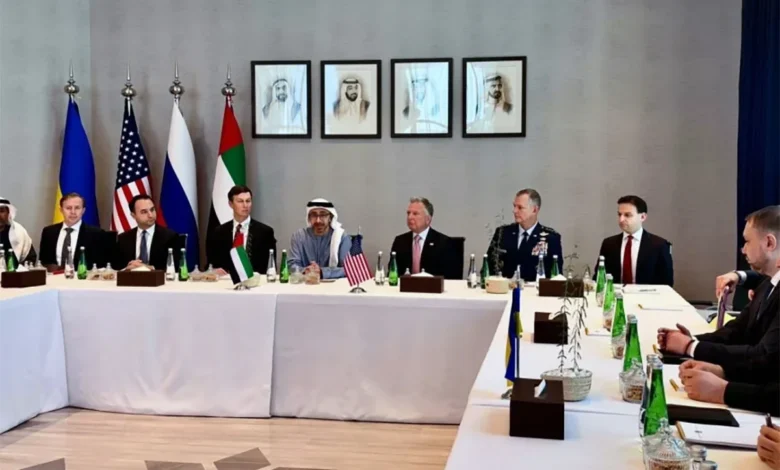
The landscape of international diplomacy surrounding the protracted conflict between Russia and Ukraine shifted dramatically on November 11, 2026, as high-level trilateral negotiations concluded in Abu Dhabi, United Arab Emirates, without a definitive breakthrough. Following two days of intense closed-door discussions involving representatives from Moscow, Kyiv, and Washington, United States special envoys announced an immediate trip to the Russian capital. The diplomatic push underscores an aggressive renewed effort by the administration of US President Donald Trump to forge a lasting resolution to a war approaching its fifth year, even as deep-seated divisions and starkly contrasting geopolitical priorities continue to test the endurance of international mediators.
Abu Dhabi Trilateral Negotiations: An Intensive Diplomatic Test
The multi-party talks held in the gleaming capital of the UAE brought together senior officials from Ukraine, Russia, and the United States in an unprecedented format aimed at finding common ground. The negotiations, facilitated heavily by American mediators, were designed to tackle core issues plaguing any potential peace framework, including territorial security guarantees, humanitarian access, and prisoner exchange parameters.
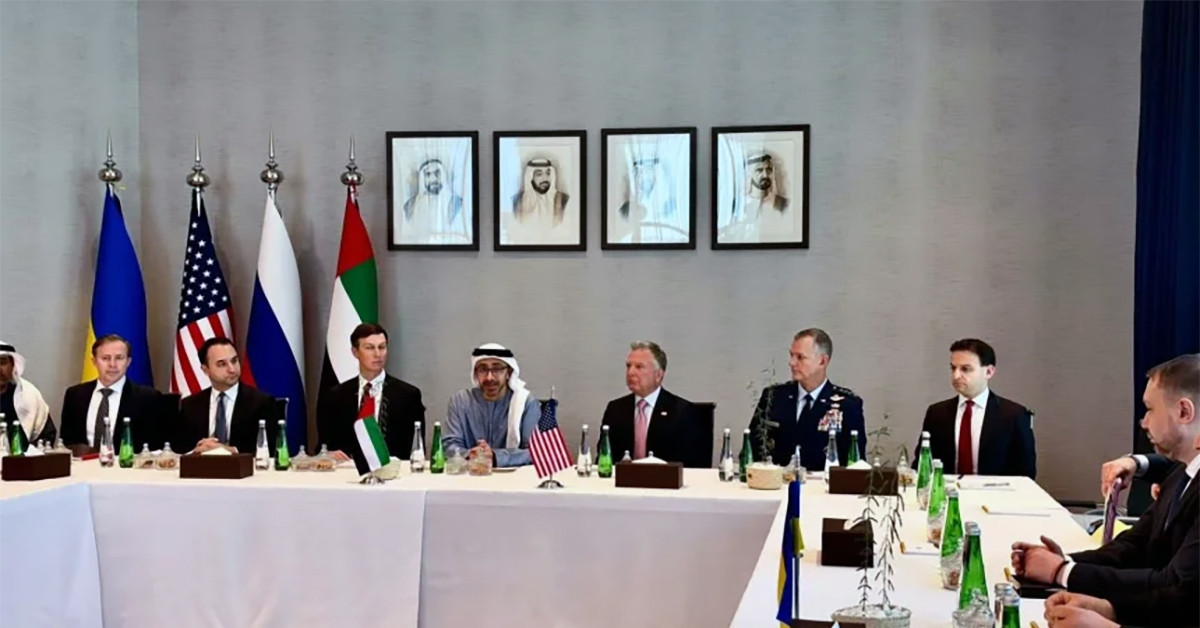
Despite high expectations ahead of the summit, the core delegations quickly encountered formidable stumbling blocks. The formal negotiating session on November 11 lasted less than two hours, laying bare the deep ideological and strategic chasms separating Moscow and Kyiv. Vladimir Medinsky, who headed the Russian negotiating delegation, maintained a rigid stance, signaling that Moscow’s foundational demands and pre-conditions for ending hostilities remained largely unchanged.
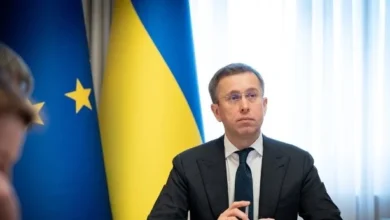
Concurrently, Ukrainian officials voiced the immense difficulty of the dialogue. Rustem Umerov, Ukraine’s high-ranking negotiator and head of the state’s foreign policy apparatus, expressed gratitude for the tireless efforts of the US special envoys while acknowledging that progress was restricted to only a narrow spectrum of security and humanitarian topics. Another prominent member of the Ukrainian delegation, Davyd Arakhamia, offered a blunt assessment of the proceedings, noting that Russian representatives sat at the negotiating table with "extremely severe conditions." Having participated in diplomatic initiatives regarding the conflict since 2022, Arakhamia characterized the Abu Dhabi summit as one of the most grueling and complex bargaining processes in the history of the crisis.
Despite the profound friction, tangible progress was registered on a few specific fronts. Chief among these was an agreement in principle on a large-scale prisoner exchange between Moscow and Kyiv, offering a rare humanitarian bright spot amid an otherwise gridlocked diplomatic arena.
The Trump Administration’s Renewed Push and European Apprehension
The diplomatic mobilization in Abu Dhabi and the subsequent mission to Moscow are part of a broader, assertive foreign policy offensive launched by the Trump administration. Over recent weeks, President Trump has signaled significant concessions and shifts in posture toward Moscow, designed to jump-start stalled peace talks. While Washington views these bold maneuvers as pragmatic steps toward curtailing a devastating war of attrition, the approach has triggered profound unease across European capitals.
European leaders have watched with growing anxiety as Washington attempts to fast-track a peace settlement that could potentially sideline traditional multilateral security frameworks. In response to these developments, the Council of the European Union recently took the decisive step of deploying EU military advisors and personnel directly to Ukraine. This move went forward despite sharp warnings from Moscow, which stated explicitly that European military personnel operating inside Ukrainian territory would become legitimate targets for Russian armed forces.
Jared Kushner and Steve Witkoff’s Ongoing Diplomatic Itinerary
Speaking at a pivotal press conference in the UAE on November 11, US Special Envoy Jared Kushner—serving alongside fellow envoy Steve Witkoff—outlined the immediate next steps for the American diplomatic delegation.
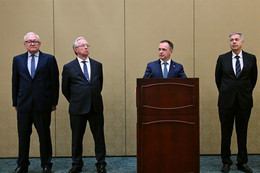
"I and Mr. Witkoff will travel to Moscow tomorrow to meet with Russian President Vladimir Putin," Kushner stated. "We will review the contents discussed today and try to make substantive progress on several issues that we have debated, as we see opportunities and possibilities opening up there."
Kushner detailed that the American envoys intend to finalize operational agreements regarding critical humanitarian corridors and comprehensive prisoner exchanges. Furthermore, Washington aims to push for the integration of European nations into the broader peace process—a multilateral framework that Moscow has historically resisted.
Following their high-stakes engagement with President Putin in Moscow, Kushner and Witkoff are scheduled to travel onward to Dublin, Ireland. There, they will hold high-level consultations with Ukrainian President Volodymyr Zelenskyy to brief him on the outcomes of the Abu Dhabi summit and discuss the viability of emerging peace proposals.

Background Context and Chronological Evolution of the Conflict
To fully understand the gravity of the November 2026 Abu Dhabi talks, it is essential to examine the trajectory of the Russia-Ukraine war and previous diplomatic efforts. The full-scale invasion launched by Russia in February 2022 transformed a localized regional crisis into the largest conventional military conflict in Europe since World War II.
- Spring 2022: Initial peace talks between Russian and Ukrainian delegations took place in Belarus and Turkey (Istanbul), yielding preliminary discussions on Ukrainian neutrality and security guarantees, which ultimately collapsed amid mutual distrust and escalating violence on the battlefield.
- 2023–2024: Years of grinding trench warfare, massive economic sanctions against Russia by Western allies, and multi-billion-dollar military aid packages provided to Ukraine by the United States and European Union defined the middle phase of the war, resulting in staggering casualties and widespread infrastructure devastation without significant territorial breakthroughs for either side.
- Late 2024–2025: Political shifts in international governance, notably the return of Donald Trump to the US presidency, signaled a dramatic overhaul of American foreign policy. The new administration made ending foreign conflicts a core priority, shifting away from open-ended military funding toward coercive diplomatic pressure and direct mediation.
- November 2026: The convergence of US envoys, Russian delegates, and Ukrainian representatives in Abu Dhabi represents the first structured trilateral negotiation format of this scale under the renewed American peace initiative, highlighting a desperate race against time to halt a war nearing its fifth tragic anniversary.
Supporting Data and Parallel Diplomatic Developments
Alongside the central peace negotiations in the Middle East, several parallel geopolitical developments have heavily influenced the environment surrounding the Abu Dhabi summit:
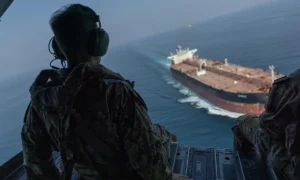
- Economic Leverage vs. Direct Military Action: Recent statements from Washington clarified the administration’s strategic rationale for avoiding direct military engagements against regional actors like Iran, which has maintained close military ties with Moscow. US officials asserted that maritime trade blockades and financial strangulation remain the most effective tools of economic pressure, rendering large-scale military campaigns unnecessary for the time being.
- European Security Integration: The deployment of EU military advisors to Ukraine underscores Europe’s determination to maintain a direct stake in any future security architecture, despite American desires to streamline negotiations through bilateral channels with Moscow and Kyiv.
- Humanitarian Urgency: With cumulative casualties mounting into the hundreds of thousands and millions of civilians displaced internally or across international borders, the urgency surrounding prisoner exchanges and humanitarian corridors has grown exponentially, serving as the primary baseline agreement achieved during the Abu Dhabi discussions.
Implications and Outlook for Regional Stability
The upcoming meeting between US special envoys Jared Kushner, Steve Witkoff, and Russian President Vladimir Putin in Moscow represents a critical juncture for international diplomacy. While the willingness of all three parties to sit at the same negotiating table in Abu Dhabi demonstrates a shared recognition that the conflict must eventually find a political resolution, the chasm between their respective strategic objectives remains vast.
For Moscow, any acceptable settlement must account for its long-standing security demands, territorial ambitions, and resistance to NATO expansion or unvetted Western security architectures on its borders. For Kyiv and its European allies, protecting national sovereignty, securing robust and enforceable security guarantees, and ensuring post-war stability are non-negotiable prerequisites.
As the American diplomatic delegation moves from Moscow to Dublin, the international community watches with cautious skepticism. Whether Washington’s aggressive push for a negotiated settlement can bridge the profound distrust between East and West, or whether the war will descend into another protracted phase of attrition, will depend heavily on the compromises extracted behind closed doors in the days ahead.