The recent disclosure by U.S. Air Force General Kenneth Wilsbach has unveiled a harrowing series of near-death experiences endured by American military personnel stationed in the Middle East during intense missile barrages launched by Iran. These accounts, provided during the Air, Space & Cyber Conference in Maryland on September 14, offer a visceral glimpse into the chaotic reality of modern asymmetric warfare, where technological superiority is frequently tested by the sheer unpredictability of ballistic and drone attacks.
The Reality of Under-Fire Operations
General Wilsbach’s testimony highlights a recurring theme of profound danger, where soldiers, maintenance crews, and airmen are forced to make split-second life-or-death decisions while their facilities are systematically targeted. In one particularly chilling account, troops were trapped inside hardened aircraft shelters as incoming Iranian missiles struck adjacent structures.
The heat and shockwaves from these impacts rendered doors inoperable, sealing personnel inside an inferno. "Imagine being in that situation," Wilsbach recounted. "Flames are spreading, aircraft are burning just meters away, and you are trapped with no way out." The survival of these personnel often depended on the rapid improvisation of their colleagues, such as using crowbars to force open doors while under immediate threat of secondary explosions, including the accidental triggering of ejection seats and the scattering of debris.
Chronology of Escalation and Targeted Facilities
The conflict, characterized by a sustained campaign of strikes across the region, has seen American bases in Kuwait, Bahrain, Qatar, the United Arab Emirates, Saudi Arabia, Iraq, Oman, and Jordan come under fire. The Office of the Inspector General (OIG) of the Department of Defense released a special report on September 14 confirming the widespread destruction of infrastructure.
While the exact timeline of these specific incidents remains sensitive, the broader conflict has been marked by a shift in Iranian tactics, moving from sporadic harassment to coordinated, large-scale saturation attacks. The OIG report confirms that hundreds of buildings and critical support structures have been damaged or destroyed. The cumulative effect of these strikes has not only decimated physical assets but has also forced a fundamental reassessment of defensive postures at U.S. installations.
Tactical Challenges: The Human Element
The accounts from individual service members provide a clear picture of the psychological and operational strain. Sergeant Garrett, a technician responsible for the maintenance of F-15E Strike Eagles, found himself in a precarious position during a major strike. While on the flight line assisting in the rapid departure of four aircraft, warning sirens began to wail.
"The personnel around him started running to shelter," Wilsbach explained. "Garrett knew exactly what those alarms meant. Danger was imminent, but the pre-flight checks for the F-15E he was overseeing were not yet complete." Despite the clear and present danger, Garrett chose to remain, manually completing the necessary safety protocols until the last fighter taxied onto the runway. His decision, driven by a commitment to the aircrews, highlights the extraordinary professional standards maintained by ground personnel even when their own safety is secondary to mission success.

Similarly, the case of Shanae and Nolan, a ground-based air defense team, underscores the pressure of operating under a drone swarm. While sirens signaled an incoming attack, the two operators remained glued to their screens, tracking over 10 targets simultaneously. Their ability to compartmentalize fear and focus on the technical requirements of neutralizing the incoming threats is credited with preventing further loss of life at their specific installation.
Supporting Data and Material Losses
The scale of the material loss is significant and unprecedented in recent history. According to the OIG report:
- MQ-9 Reaper Drones: Up to 30 units have been destroyed or rendered non-operational.
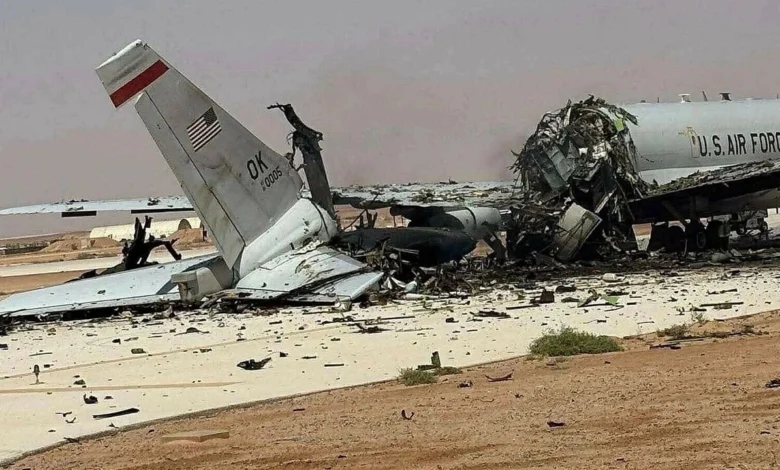
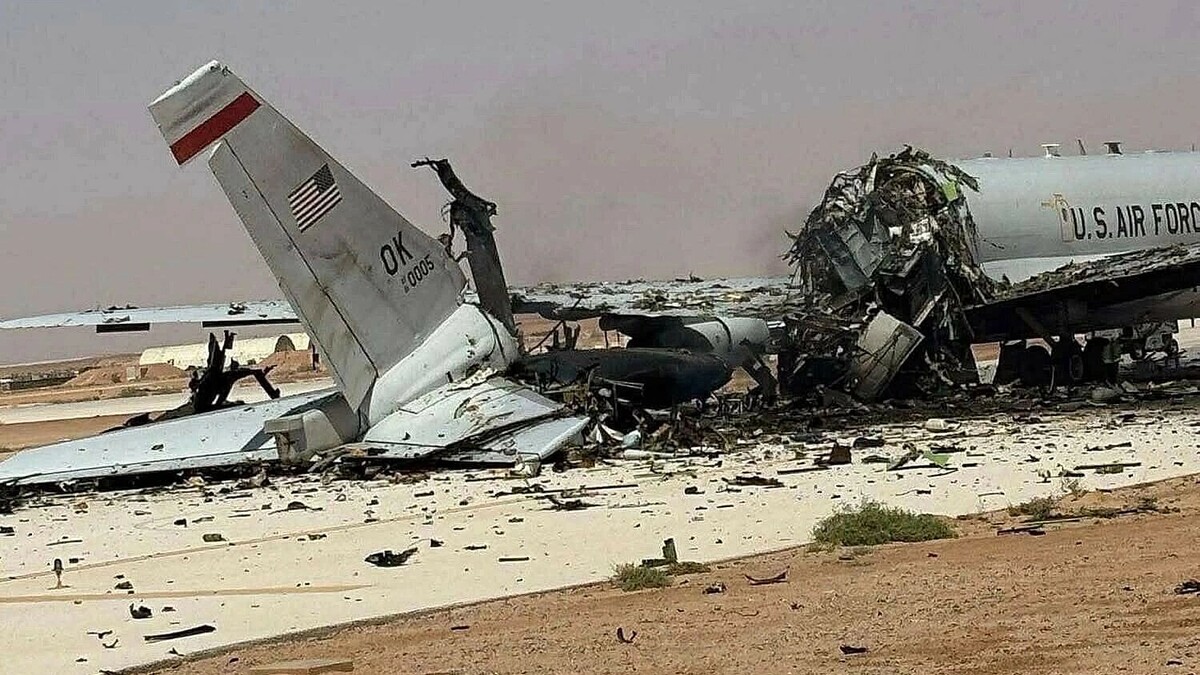
- KC-135 Tankers: Seven refueling aircraft were destroyed or severely damaged, including five that were struck while stationary on the tarmac in Saudi Arabia.
- Infrastructure: Extensive damage to hangars, command centers, and runway facilities has been documented across at least eight countries in the U.S. Central Command (CENTCOM) area of responsibility.
The loss of the KC-135 tankers is particularly strategic, as these aircraft provide the backbone for regional power projection. Furthermore, a separate incident in Iraq involved a mid-air collision between two tankers, which resulted in the tragic loss of six personnel. While not directly linked to enemy fire, these incidents highlight the increased operational tempo and the heightened risks inherent in high-stress, combat-zone environments.
Strategic Implications and Defense Posture
The Pentagon’s acknowledgment of these vulnerabilities suggests a shift in how the U.S. evaluates the efficacy of its regional missile defense systems, such as the Patriot batteries. Earlier this year, video footage circulated showing a Patriot system failing to intercept an incoming ballistic missile, raising questions about the capabilities of legacy defensive systems against modern, high-velocity threats.

Analysts note that the ability of Iranian-backed forces to coordinate drone swarms alongside ballistic missile strikes creates a "saturation problem" for traditional air defenses. By overwhelming defensive sensors and interceptor capacity, these attacks are able to achieve "leaks" that result in significant damage.
The political and strategic implications are profound. For the U.S., the necessity of hardening facilities—constructing more resilient shelters and improving base-level air defense—is now an urgent budgetary and operational priority. The events detailed by General Wilsbach serve as a sobering reminder that even with technological superiority, the "asymmetric" nature of this conflict exposes the human element of the military to unprecedented risks.
Official Responses and Future Outlook
While the Department of Defense continues to emphasize its commitment to protecting its personnel, the reports from the Inspector General indicate that the current infrastructure is not sufficiently equipped to withstand the sustained intensity of these attacks. The Pentagon has signaled that future military aid packages and regional defense strategies will prioritize the hardening of airbases and the deployment of more advanced, localized point-defense systems.
The resilience displayed by personnel like Sergeant Garrett and the operators on the ground stands in stark contrast to the destruction wrought by the missile strikes. However, as the conflict continues, the military faces the dual challenge of maintaining operational readiness while ensuring that the men and women on the ground are not left in vulnerable, exposed positions when the sirens sound. The OIG report serves as a formal documentation of these failures and a call to action for a significant overhaul of how U.S. forces operate in the face of persistent, sophisticated aerial threats in the Middle East.