Democratic Party Launches Sweeping Investigations into Trump Administration Intelligence and Military Operations

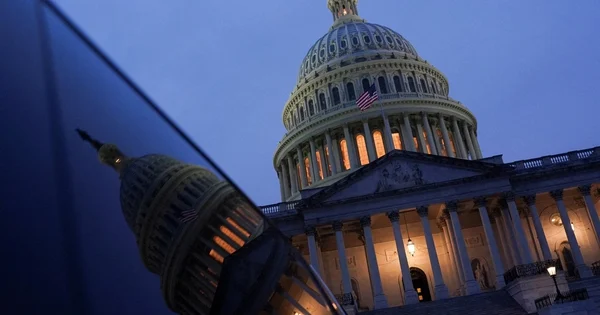
The United States House of Representatives has initiated a series of comprehensive investigations targeting the inner workings of the Trump administration, focusing primarily on allegations of the systematic politicization of intelligence agencies and unauthorized military engagements. As the Democratic Party asserts its influence within the legislative chamber, these probes signal a significant escalation in the ongoing tension between the executive and legislative branches. At the heart of the controversy is the administration’s alleged effort to diminish the scope and independence of the American intelligence community, a move that critics argue has compromised national security and eroded the objectivity of critical foreign policy analysis.
The Core Allegations: Politicization and Staffing
Representative Jim Himes, who is slated to assume the chairmanship of the House Intelligence Committee in January 2027, has leveled serious accusations against the current administration. According to Himes, internal evidence suggests that high-level intelligence officials have been pressured to alter reports to align with executive narratives, leading to a climate of fear and self-censorship among veteran analysts.
The scope of these investigations is broad, encompassing the systematic purging of career personnel. Over the first two years of President Trump’s second term, the administration has either dismissed or forced the resignation of hundreds of intelligence professionals. Critics and former officials argue that these personnel changes have hollowed out the agency’s expertise, creating a dangerous vacuum in intelligence gathering. This, they contend, has resulted in flawed assessments regarding the geopolitical situations in Iran and Venezuela, where nuanced analysis has been replaced by rhetoric favoring specific policy outcomes.
Chronology of Legislative Friction
The current legislative standoff is the culmination of years of mounting friction between the White House and Capitol Hill.
- Early 2026: Initial reports emerge regarding the mass departure of senior intelligence analysts, raising alarms among the oversight committees.
- Mid-2026: Intelligence committee members begin issuing subpoenas for internal communication logs, which the administration largely ignores, citing executive privilege.
- November 10, 2026: The House of Representatives formalizes its intent to investigate the administration’s interference in intelligence reporting. Simultaneously, the House narrowly defeats a push to impeach Secretary of War Pete Hegseth, voting 211 to 204 to shelve the impeachment resolution.
The defeat of the impeachment motion against Secretary Hegseth does not signal an end to the inquiry. Instead, the move to "table" the motion—a procedural maneuver—leaves the door open for future action should the committee’s investigation reveal further evidence of overreach.
The Hegseth Impeachment Controversy
The legislative focus on Secretary of War Pete Hegseth is particularly intense. The impeachment articles centered on eight specific counts of executive overreach, most notably the unauthorized execution of military operations in Iran, Yemen, and the Caribbean.
Constitutional scholars point out that the U.S. Constitution grants the power to declare war exclusively to Congress. By allegedly initiating kinetic military actions without the required legislative authorization, Secretary Hegseth has been accused of violating the separation of powers. While the House opted not to proceed with a full impeachment trial at this time, the debate underscored a deep-seated concern among lawmakers regarding the erosion of congressional authority over the use of force.
Hegseth’s supporters argue that the administration’s actions were necessary to address rapidly evolving threats and that the "War Department" requires the flexibility to act without the bureaucratic delays inherent in legislative approval. However, the opposition maintains that such flexibility, when unchecked, leads to impulsive policy-making that risks dragging the United States into unnecessary conflicts.
Data-Driven Concerns: The Cost of Experience
The exodus of human capital within the intelligence community is perhaps the most significant data point in the ongoing inquiry. According to data compiled by oversight groups, the turnover rate among senior-level intelligence analysts—those with 15 or more years of experience—has surged by 40% since the start of the current administration.
This brain drain is not merely a bureaucratic concern; it has tangible impacts on the quality of the President’s Daily Brief (PDB). Analysts who spoke on the condition of anonymity noted that the current atmosphere discourages the inclusion of "dissenting" intelligence—data that contradicts the administration’s desired narrative. In the context of the Venezuelan crisis, reports suggest that intelligence regarding the stability of the current regime was sanitized to downplay the risks of a prolonged intervention, directly impacting the strategic decisions made by the National Security Council.
Official Responses and the Standoff
The White House has maintained a defiant posture. In a statement released shortly after the November 10th session, the Press Secretary characterized the House investigations as a "partisan witch hunt designed to obstruct the President’s agenda." The administration claims that the restructuring of intelligence agencies was a long-overdue effort to eliminate "deep state" influence and ensure that intelligence reporting is aligned with the democratically elected leadership’s policy goals.
Conversely, Representative Himes and his colleagues on the Intelligence Committee argue that their oversight duty is non-negotiable. "We are not interested in partisan games," Himes stated in a recent press briefing. "We are interested in ensuring that when the President makes a decision, it is based on the unvarnished, objective truth, not on what a political appointee thinks the President wants to hear."
Broader Implications for Foreign Policy
The implications of this institutional conflict extend far beyond the borders of Washington. International partners, particularly within the NATO alliance, have expressed quiet concern over the reliability of U.S. intelligence sharing. When the primary source of global intelligence is viewed as politicized, the foundation of international trust is fundamentally undermined.
Furthermore, the military operations in the Caribbean and the Middle East, which are now under the microscope, have drawn criticism from the United Nations and regional blocs. If the investigation reveals that these operations were conducted without a clear legal basis or in defiance of congressional oversight, the political fallout could be severe. It could lead to a legislative push to reform the War Powers Act, potentially placing stricter constraints on executive military authority for years to come.
Looking Ahead: The Path to 2027
As January 2027 approaches, the transition of leadership within the House committees is expected to further intensify the scrutiny of the administration. With the Democratic Party poised to increase its investigative capabilities, the coming months will likely see a flurry of hearings, document production requests, and potential legal battles over the reach of executive privilege.
The American public remains divided on the matter. For supporters of the President, the investigation is seen as an attempt to undermine a leader who is fulfilling his campaign promises to reshape the government. For opponents, it is a necessary check on an administration that they believe has strayed from constitutional norms. As the investigations progress, the objective remains the same for the legislative branch: to determine whether the mechanisms of American power are being utilized for the benefit of national security or for the advancement of a specific political agenda.
The battle over the independence of intelligence and the limits of military authority is likely to define the political landscape of the next two years. As evidence continues to be gathered, the outcome of these investigations will not only impact the tenure of the current administration but also set a precedent for the relationship between the executive and the legislature for decades to come. The tension is palpable, and the stakes—ranging from the integrity of the nation’s intelligence apparatus to the very nature of its foreign military engagements—could not be higher.