National Economics University aims for global top-tier status by 2045 as it celebrates 70 years of academic excellence

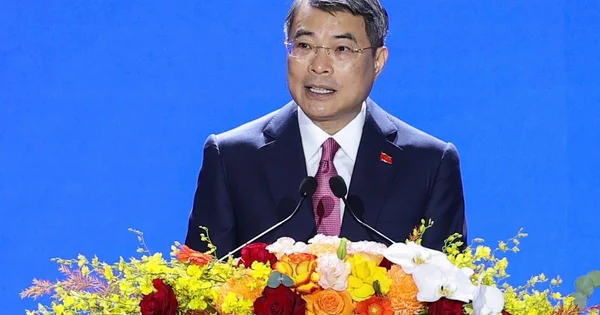
On the morning of November 11, the National Economics University (NEU) in Hanoi marked a monumental milestone, commemorating its 70th anniversary. The ceremony was attended by Prime Minister Le Minh Hung, who honored the institution with the First-Class Labor Order, recognizing its significant contributions to the development of human capital and economic research in Vietnam. In addition to this prestigious national award, the university was also honored with a Certificate of Merit from the Prime Minister, solidifying its position as a cornerstone of the nation’s higher education system.
The event served not only as a reflection on seven decades of pedagogical success but also as a strategic launchpad for the university’s future. As Vietnam undergoes a rapid digital and economic transformation, the role of institutions like NEU has become increasingly critical in shaping the nation’s competitive edge on the global stage.
A Legacy of Excellence: 70 Years of Development
Established in 1956, the National Economics University has evolved from a specialized institution into a comprehensive, multidisciplinary university. Over the past 70 years, it has been the primary training ground for many of Vietnam’s leading economists, policymakers, and business leaders.
The institution’s history is inextricably linked to the country’s economic reforms, known as "Doi Moi." During the transition from a centrally planned economy to a market-oriented one, NEU provided the theoretical framework and trained the workforce necessary to navigate this shift. Today, the university hosts thousands of students across diverse disciplines, including finance, banking, management, and international trade, maintaining a reputation for rigorous academic standards and practical industry relevance.
Strategic Roadmap: From National Leader to Global Contender
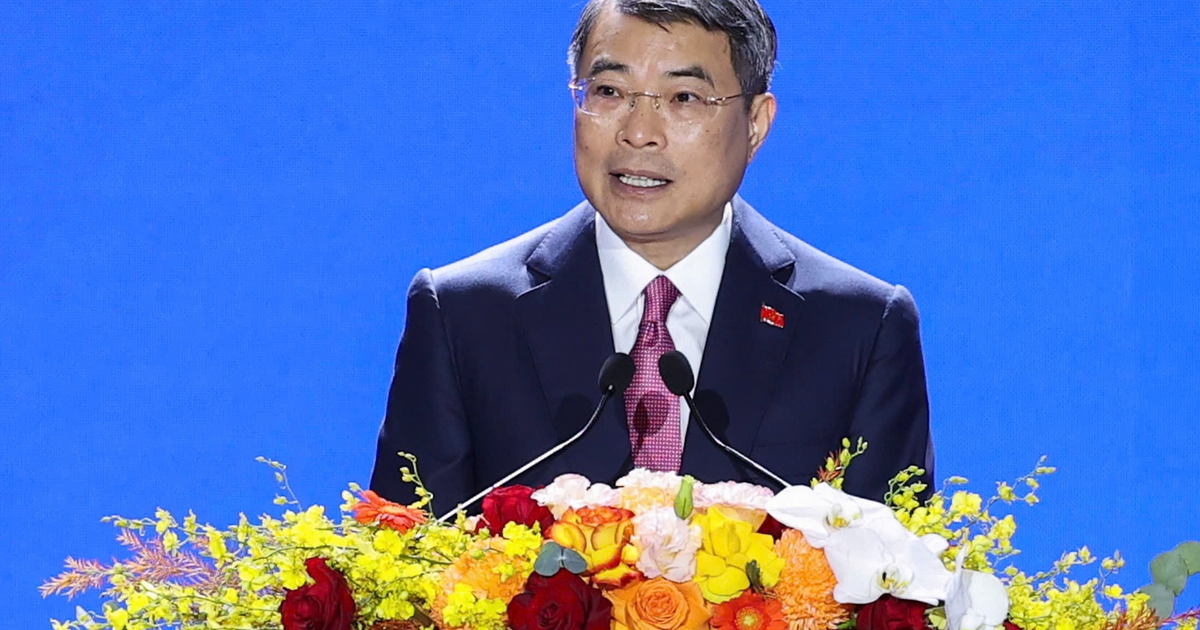
During the commemorative ceremony, Prime Minister Le Minh Hung underscored the necessity of a paradigm shift for the university. In an era defined by rapid technological disruption and geopolitical volatility, the Prime Minister challenged NEU to transition from a traditional educational model to a modern, world-class research university.
The government has set ambitious, phased targets for NEU’s international standing:
- By 2030: The university is expected to break into the top 150 universities globally within its specific fields of study.
- By 2035: The objective is to rise into the top 100 global rankings.
- By 2045: NEU aims to be recognized as a full-fledged, world-class university, standing alongside prestigious international academic institutions.
To achieve these goals, the Prime Minister emphasized the need for "a change in mindset," moving away from purely theory-based instruction toward a model that integrates education with high-impact scientific research and policy consultancy.
Five Pillars for Future Transformation
To materialize these aspirations, Prime Minister Le Minh Hung outlined five strategic priorities for the university’s leadership:
1. High-Quality Talent Development
The university must move beyond traditional knowledge transmission. The focus should shift toward cultivating problem-solving skills, critical thinking, and the ability to adapt to real-world challenges. This includes incorporating artificial intelligence and modern life skills into the curriculum, while simultaneously training a new generation of leaders, managers, and entrepreneurs who possess both professional competence and a strong sense of social responsibility.
2. Elevating Scientific Research
NEU is urged to become a premier center for policy critique and consultancy. The government expects research outputs to address national challenges, such as the "green transition," digital transformation, and strategies to increase national labor productivity. The Prime Minister stressed that research should not be measured merely by the volume of publications but by its tangible application by businesses and its contribution to sustainable economic growth.
3. Modernizing University Governance
Digital transformation is no longer optional. The university is tasked with investing heavily in smart campus infrastructure, data systems, and modern research facilities. A specific directive was issued regarding the rapid development of the university’s new campus in Chuong My, Hanoi, which is intended to meet international standards for green and smart infrastructure.
4. A Student-Centric Educational Environment
The faculty must serve as mentors rather than mere instructors. The educational environment should be designed to ignite a sense of passion and national contribution among students. By placing the learner at the center, the university aims to foster an atmosphere where students are empowered to reach their full potential.
5. Expanding International Cooperation
NEU is encouraged to shift from passive participation to active leadership in international academic networks. By attracting global scholars, international students, and the Vietnamese intellectual diaspora, the university can create a global knowledge hub that benefits both the institution and the country’s broader economic interests.
Broader Implications for Vietnam’s Economy
The elevation of the National Economics University is not an isolated academic goal; it is a vital component of Vietnam’s national strategy to escape the middle-income trap. As the country shifts toward a knowledge-based economy, the demand for high-level expertise in economic management and corporate governance is surging.
Economists note that for Vietnam to achieve its goal of becoming a high-income nation by 2045, it requires a robust pipeline of human capital capable of managing complex global supply chains and high-tech industries. By aligning its research with government resolutions—such as the Party’s directives on socio-economic development—NEU is positioning itself as a "think tank" that can provide data-driven, practical solutions for the government’s policymaking process.
International Context: Vietnam’s Evolving Diplomatic Role
The university’s anniversary coincides with a broader period of heightened international activity for the Vietnamese government. In the coming days, Prime Minister Le Minh Hung is scheduled to lead a high-level delegation to the 49th ASEAN Summit in Manila, Philippines.
Vietnam’s proactive role in ASEAN has long been a pillar of its foreign policy. Since joining the bloc, Vietnam has consistently advocated for initiatives that strengthen regional connectivity and collective resilience against global challenges. The Prime Minister’s focus on "proactive, positive, and responsible" engagement at the regional level mirrors the transformation expected at the academic level: a move from participating in global systems to helping set the agenda.
As the Prime Minister prepares to discuss regional cooperation with world leaders, the success of institutions like NEU remains a key indicator of Vietnam’s domestic preparedness. Strengthening ties with major partners like the United States, China, Japan, and the European Union is essential, not only for trade but for the exchange of academic expertise and the modernization of educational standards.
Challenges and Outlook
While the roadmap to 2045 is clear, the path will involve significant challenges. Transitioning into a world-class university requires substantial financial investment, a culture of academic freedom, and the ability to retain top-tier talent in an increasingly competitive global labor market.
Furthermore, the integration of "green" and "digital" curricula requires a rapid, agile response from the university’s administrative board. The success of the Chuong My campus project will be a crucial test of the university’s ability to execute large-scale infrastructure projects while maintaining a focus on high-quality academic output.
However, the consensus among stakeholders remains optimistic. With 70 years of institutional memory and a clear mandate from the highest levels of government, the National Economics University is poised to play a decisive role in the next chapter of Vietnam’s development. As the nation aims for higher tiers of global integration, the role of NEU as a generator of ideas, a trainer of leaders, and a partner in progress will be more critical than ever.
The celebration of the 70th anniversary is therefore not just a look back at the past, but a commitment to a future where Vietnam’s intellectual and economic capacity is recognized on the global stage. By bridging the gap between academic theory and national practice, the National Economics University is laying the groundwork for a more prosperous, sustainable, and competitive Vietnam in the decades to come.