Ho Chi Minh City has officially commenced a monumental urban infrastructure project aimed at the comprehensive revitalization of the Van Thanh Canal, one of the most severely polluted waterways in the city’s heart. With a total investment exceeding 8,500 billion VND, this project represents a critical component of the municipal government’s broader urban renewal strategy. By the time of its projected completion in 2028, the initiative is expected to transform a neglected, environmentally degraded zone into a modern, green corridor, significantly enhancing the quality of life for residents and improving the city’s overall hydrological health.
The Scope of the Revitalization Project
The Van Thanh Canal stretches approximately 2.2 kilometers, flowing from Vo Oanh Street through the Binh Thanh District, eventually connecting with the Nhieu Loc – Thi Nghe canal network. For decades, the area surrounding the canal has been characterized by precarious, dilapidated housing, a lack of waste management infrastructure, and high levels of water pollution. The current project seeks to rectify these issues through a massive overhaul of the landscape and drainage systems.
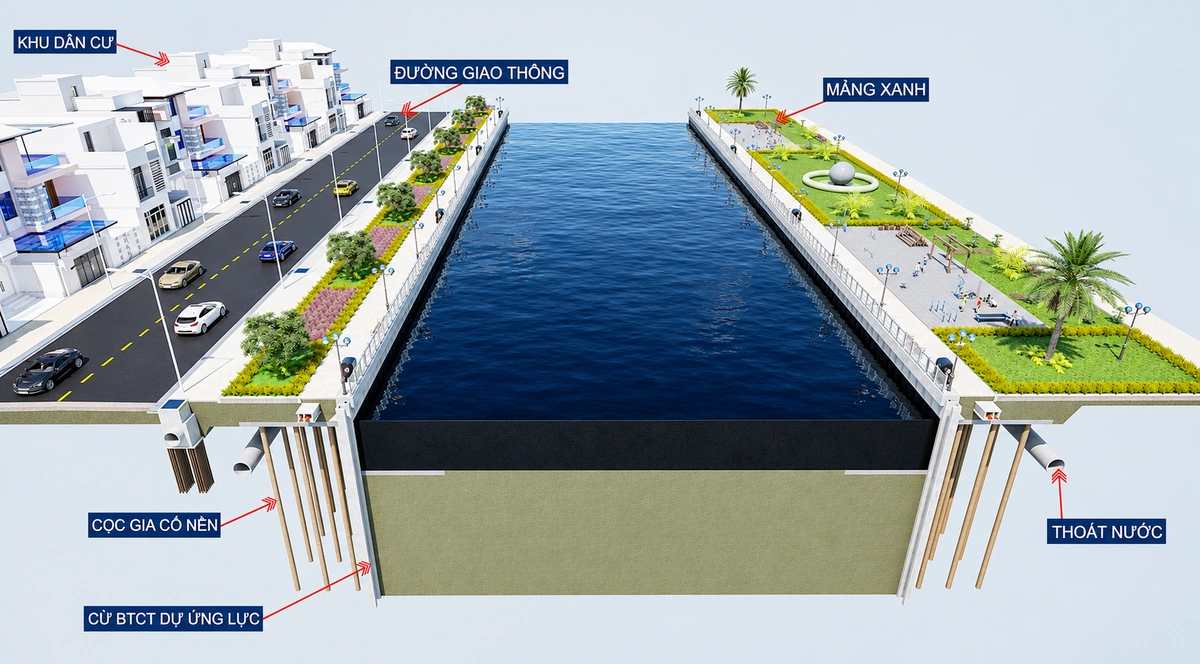
The scope of work is extensive, covering dredging, the construction of reinforced concrete embankments, the installation of advanced drainage systems, the development of new riverside roads, and the creation of public green spaces. A vital technical feature of this project is the integration of a dedicated wastewater collection system. Unlike previous, fragmented efforts, this design ensures that wastewater is collected along the entire length of the canal and transported to the Nhieu Loc – Thi Nghe treatment facility, effectively severing the primary source of the waterway’s chronic pollution.
Technical Specifications and Infrastructure Improvements
The project is being managed by the Ho Chi Minh City Urban Infrastructure Construction Investment Project Management Board. The initial phase, which broke ground on November 9, 2026, focuses on the first 400 meters of the waterway. Engineers are tasked with dredging the canal to a depth of 3 meters and widening the channel to between 25 and 80 meters, depending on the specific topography of the site.
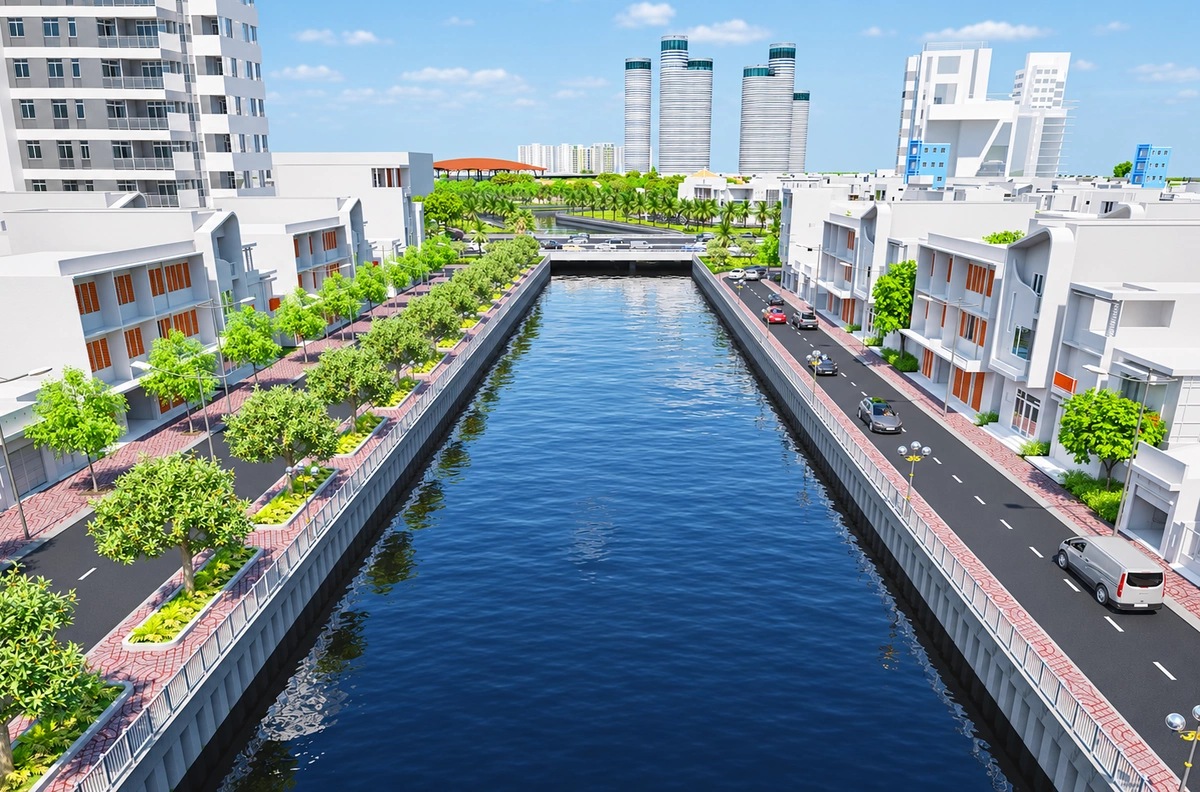
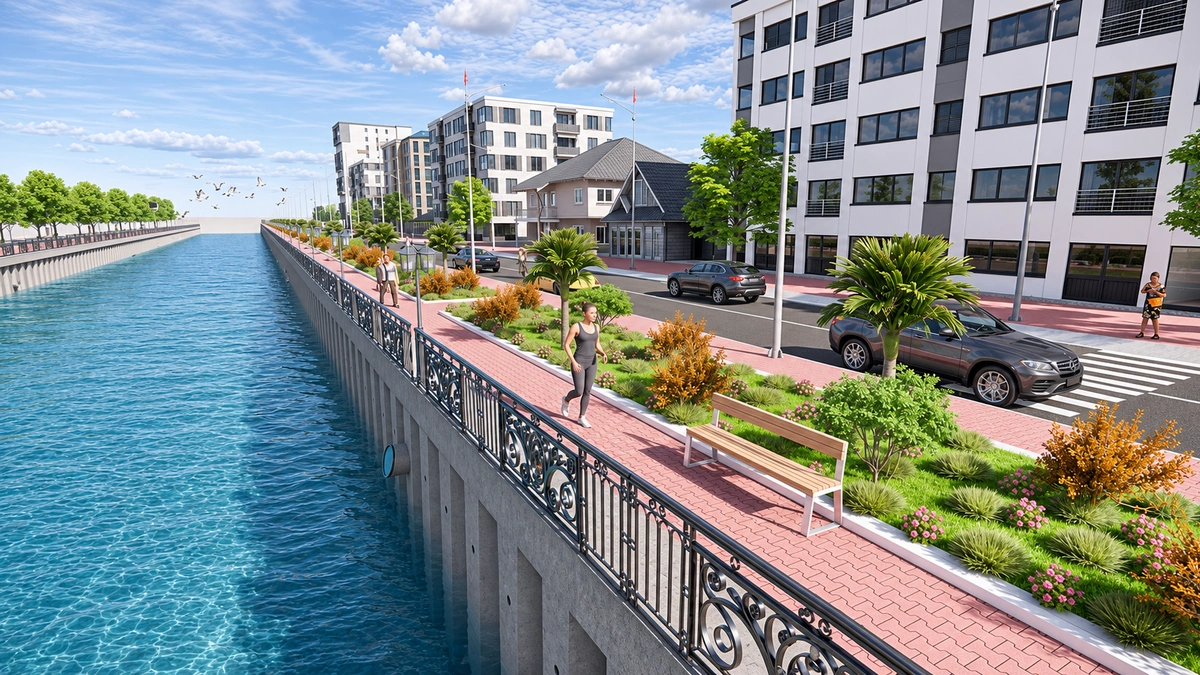
Beyond the water, the infrastructure upgrades include the construction of parallel roads ranging from 11 to 20 meters in width, designed to alleviate local traffic congestion. Pedestrian walkways will be lined with ornamental trees, street lighting, and protective railings, creating a safe and accessible environment for residents. Furthermore, the drainage system will feature a sophisticated network of circular pipes (up to 0.4 meters in diameter) and box culverts (2 meters by 2 meters) to manage stormwater effectively, reducing the risk of localized flooding—a persistent issue in this densely populated district.
Financial Commitment and Socio-Economic Impact
The 8,500 billion VND budget is sourced entirely from the city’s municipal treasury. Of this total, approximately 1,743 billion VND is earmarked specifically for the physical construction and dredging works. The remainder—nearly 6,800 billion VND—is dedicated to land clearance, site preparation, and the complex process of relocation and resettlement for affected residents.
The human element of this project is substantial. Approximately 1,077 households will be affected by the construction, with 328 households facing full displacement and the remainder requiring partial land surrender. Local authorities have committed to a transparent and fair resettlement process, ensuring that residents are provided with adequate support as they transition to new housing. This effort is seen as a social imperative, as the city works toward its 2030 goal of relocating approximately 40,000 households currently living in precarious conditions along canals and waterways throughout Ho Chi Minh City.
Historical Context and Strategic Alignment
The revitalization of Van Thanh Canal is not an isolated effort but a continuation of the successful, albeit lengthy, urban sanitation projects that began with the Nhieu Loc – Thi Nghe canal cleanup over a decade ago. That landmark project changed the face of the city, proving that restoring urban waterways is the most effective way to improve public health, increase property values, and boost the tourism potential of inner-city districts.
For years, the Van Thanh area has been an environmental black spot. The combination of stagnant water, lack of tidal circulation, and direct discharge of domestic waste led to severe odors and public health concerns. By implementing modern engineering solutions, such as the dedicated wastewater pipes, the city is finally addressing the root causes of the degradation. This approach aligns with the municipal government’s vision of creating a "Blue-Green" city—a sustainable urban model that prioritizes water management and public green spaces as essential components of modern living.
Future Outlook: A Transformation by 2028
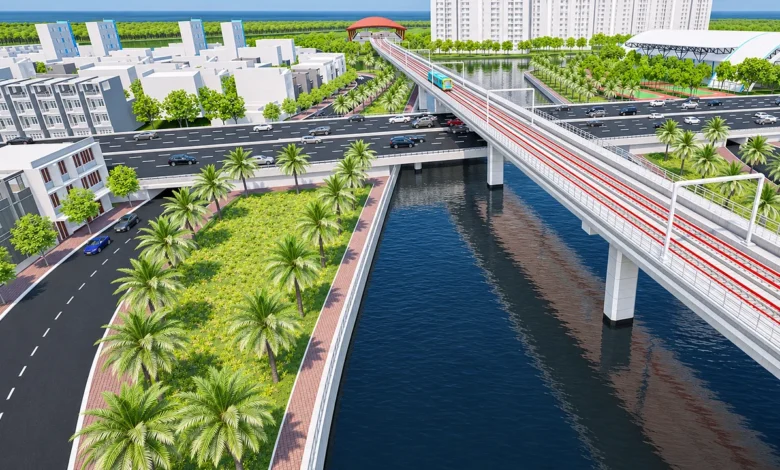
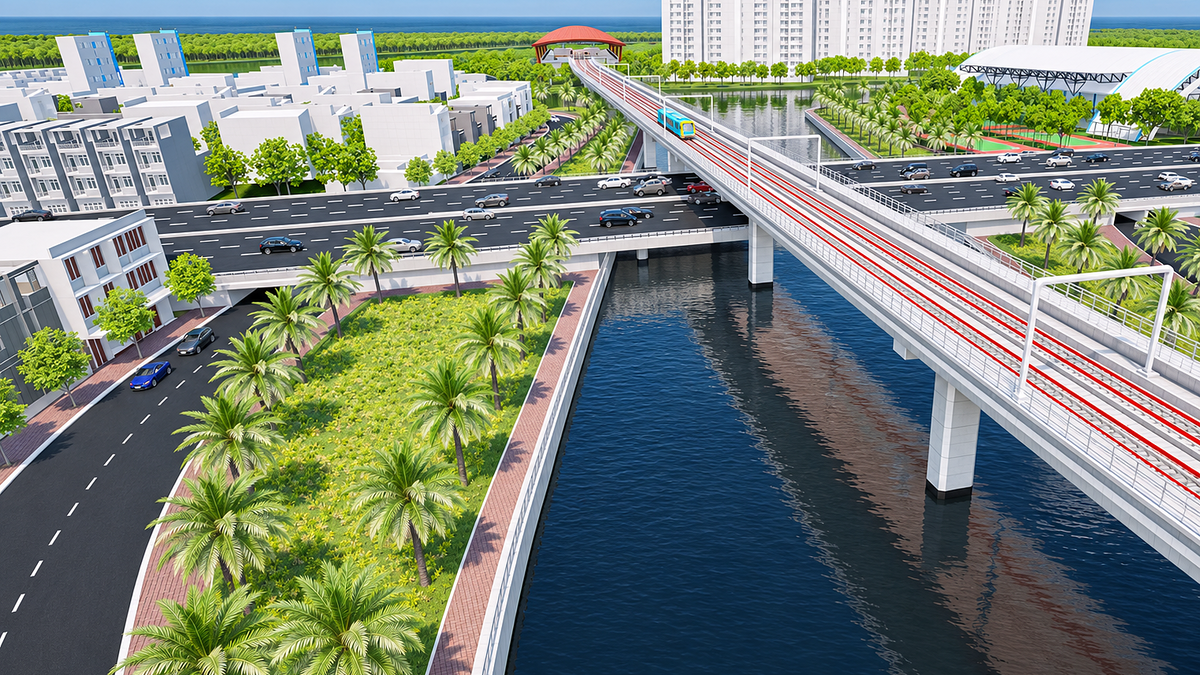
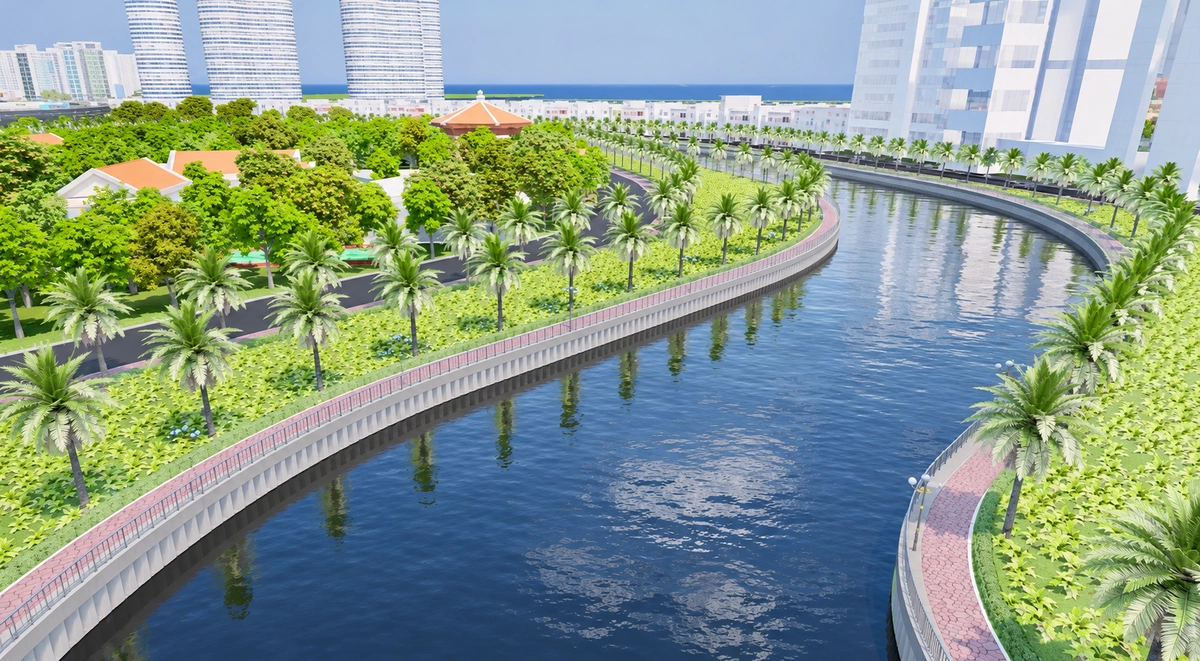
As the construction progresses, the visual transformation of the canal will become increasingly apparent. Renderings released by the project management board depict a vibrant, multi-functional space. The design includes a footbridge over the canal within the Van Thanh tourist area, which will serve as a scenic crossing point, and extensive landscaping that prioritizes native flora to foster urban biodiversity.
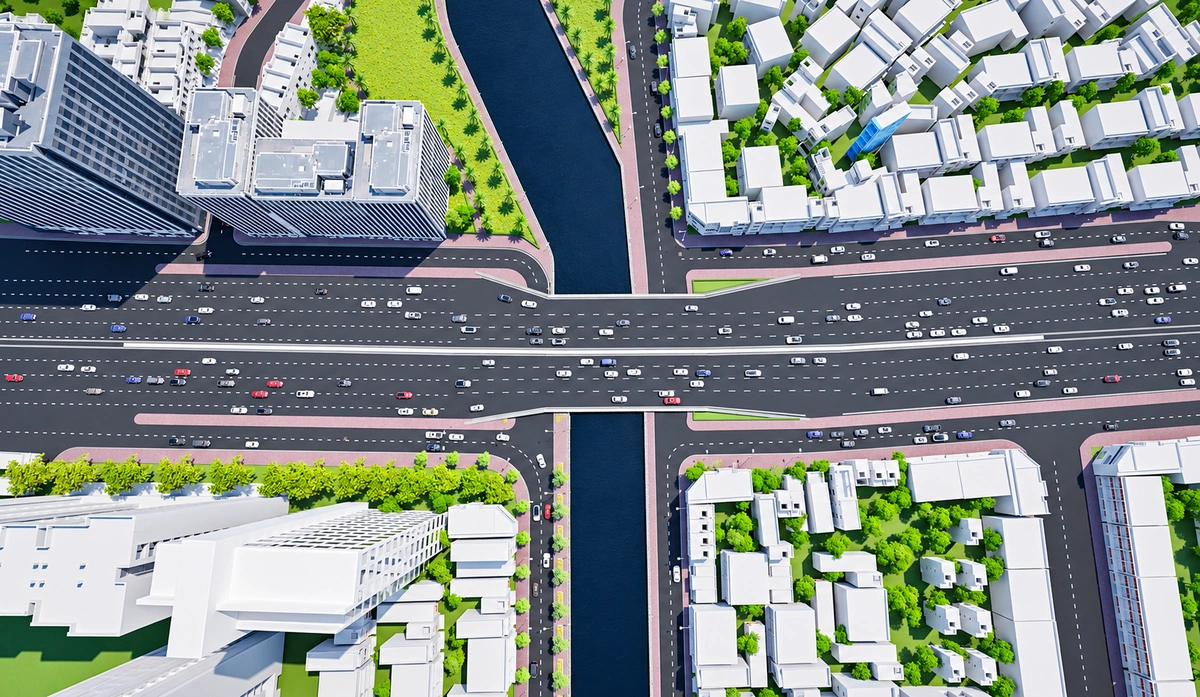
The logistical complexity of the project is significant, particularly regarding the intersection with major traffic arteries like Nguyen Huu Canh Street. To maintain traffic flow while construction is underway, the plans include a subterranean tunnel section for the riverside road beneath Nguyen Huu Canh, which will then connect seamlessly to Ngo Tat To Street. This design ensures that the new promenade remains uninterrupted, allowing for a continuous path for walkers and cyclists along the water’s edge.
Broader Implications for Urban Resilience
The completion of the Van Thanh project by 2028 will mark a significant milestone in Ho Chi Minh City’s evolution. Beyond the immediate aesthetic and environmental benefits, the project serves as a model for how the city can manage its density and infrastructure needs simultaneously. The integration of flood control, transportation improvements, and public amenities demonstrates a shift in urban planning philosophy toward holistic development.
Analysts point out that while the financial cost is high, the long-term economic gains—through improved health outcomes, reduced disaster risk, and the stimulation of local economic activity along the newly developed banks—will likely outweigh the initial investment. As the city continues to grapple with the effects of climate change and rapid urbanization, the Van Thanh Canal project stands as a testament to the city’s resolve to build a more resilient and livable future.
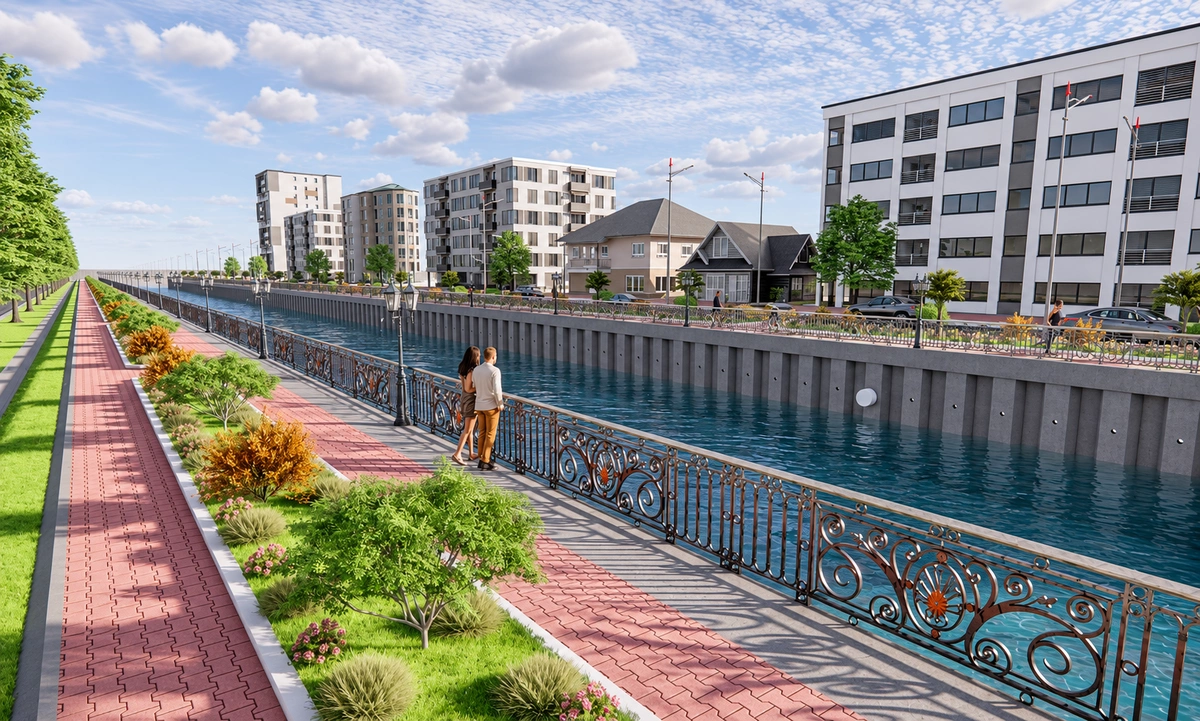
By the time the final landscaping is completed and the last of the streetlights are installed, the Van Thanh Canal will no longer be a reminder of the city’s past struggles with industrialization and unplanned development. Instead, it will stand as a symbol of Ho Chi Minh City’s capacity to reinvent its urban fabric, turning once-polluted waterways into the beating, green hearts of its residential districts. The progress on this site will be closely watched by urban planners and citizens alike, serving as a benchmark for future municipal infrastructure projects across the region.