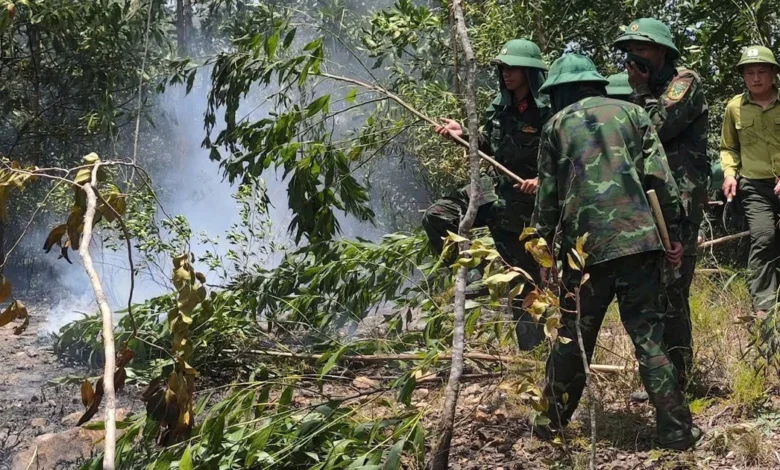
Da Nang, Vietnam – The Forest Management Department of Da Nang city has issued a level IV forest fire warning, signifying a high-risk level, for the entire municipality. This critical alert is set to remain in effect until July 23rd, a stark indication of the escalating danger posed by the current severe heatwave gripping the region. The decision follows two separate forest fire incidents that have occurred in the past week, highlighting the precariousness of the ecological situation.
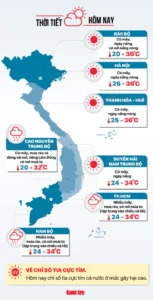
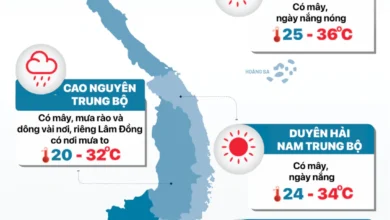
The extreme weather conditions contributing to this elevated alert are characterized by exceptionally high temperatures, with daily peaks ranging from 36 to 38 degrees Celsius, and even reaching up to 39 degrees Celsius in some localized areas. Compounding the heat is an unusually low humidity level, fluctuating between 35% and 50%. Furthermore, the dry spell has been prolonged, with sunny, hot conditions persisting for 10 to 15 hours each day. This trifecta of high heat, low humidity, and extended sunshine creates an environment highly conducive to the rapid ignition and spread of wildfires, posing a significant threat to the city’s valuable forest ecosystems and the communities residing within or near them.
Areas Under Heightened Vigilance
The forest fire warning specifically targets several key districts and communes within Da Nang. These include the communes of Hoa Vang, Hoa Lien, Lien Chieu, and Hoa Khanh, as well as the communes of Hoa Vang, Ba Na, Hoa Tien, Dong Giang, Dai Loc, Nam Giang, Ban Gian, Noi Thanh, and Hiep Duc. These areas are known for their significant forest cover, including vital protective forests that serve as natural barriers against environmental hazards.
The severity of the situation is underscored by the fact that several communes, including Phuoc Thanh, Phuoc Hiep, Khang Duc, Nam Tra My, Tay Giang, Huong Son, La Ghi, La Dui, and Avuong Duoc, have already experienced forest fires classified at level III between July 20th and 21st. These incidents have now been escalated to the critical level IV, indicating a substantial increase in the risk of recurrence and potential for larger-scale conflagrations. The rapid escalation from level III to IV in these specific areas necessitates immediate and heightened precautionary measures.
Proactive Measures and Enforcement
In response to the escalating threat, the Da Nang Forest Management Department has urged all relevant departments and communes to intensify their efforts in forest fire prevention and control. Key directives include:
- Strict Prohibition of Open Flames: A rigorous inspection and enforcement campaign is to be implemented to prevent any individuals from using fire in or near forest areas. This includes a ban on the use of fire for cooking, agricultural burning, and any other activity that could inadvertently spark a blaze. Authorities are particularly focusing on areas with dry combustible materials, such as forest edges and areas prone to human activity.
- Increased Patrols and Monitoring: Forest rangers and local authorities are to significantly increase their patrol frequencies in high-risk zones. This enhanced surveillance aims to detect any potential fire outbreaks in their nascent stages, allowing for a swift and effective response. The use of advanced monitoring technologies, where available, is also being encouraged to provide real-time alerts.
- Public Awareness Campaigns: The department is reinforcing the importance of public cooperation in preventing forest fires. This includes disseminating information through various media channels about the current high-risk conditions and the legal consequences of violating fire safety regulations. Tourists and local residents are being strongly advised against any activities that could pose a fire hazard, such as discarding lit cigarettes or making campfires in prohibited areas.
- Firefighting Readiness: All local firefighting units and forest management teams are on high alert. This involves ensuring that all necessary equipment, including water pumps, hoses, and fire retardants, are readily available and in good working condition. Drills and readiness exercises are being conducted to ensure that personnel are prepared to respond effectively to any emergent fire situations.
- Strategic Firebreaks: Where feasible, forest management authorities are working to maintain and create firebreaks. These are cleared areas designed to slow or stop the progression of a wildfire, providing crucial time for containment efforts. Emphasis is being placed on critical forest boundaries and areas adjacent to populated communities.
Recent Fire Incidents and Response Efforts
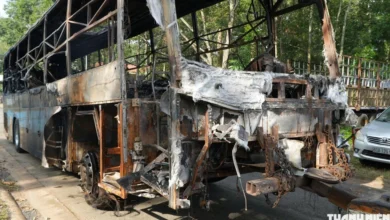
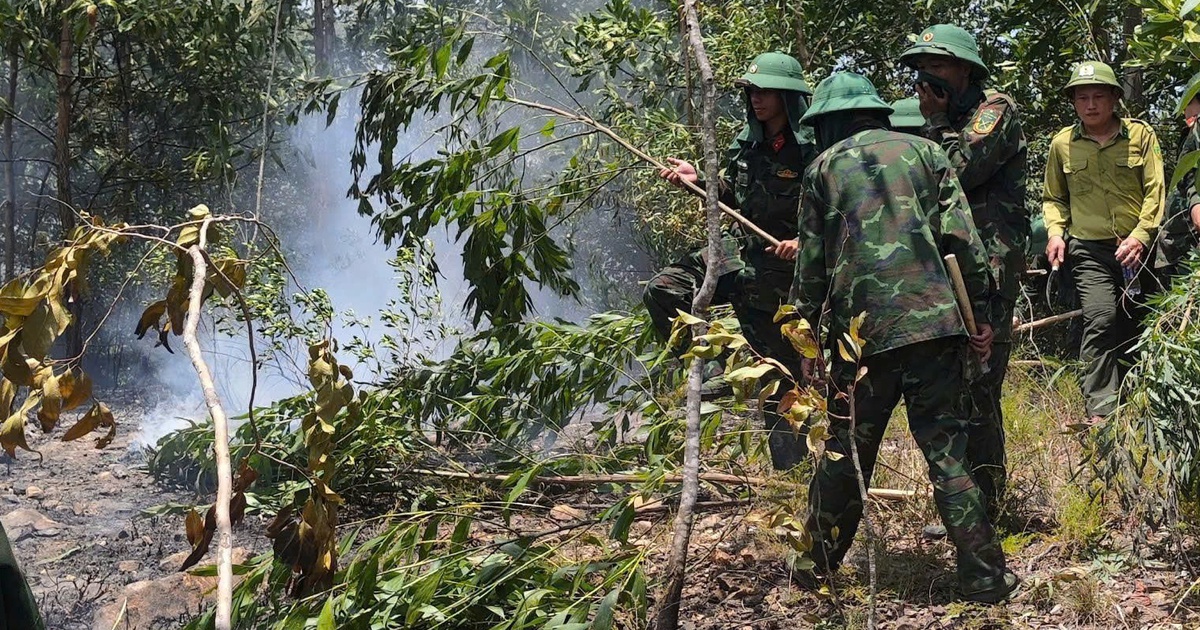
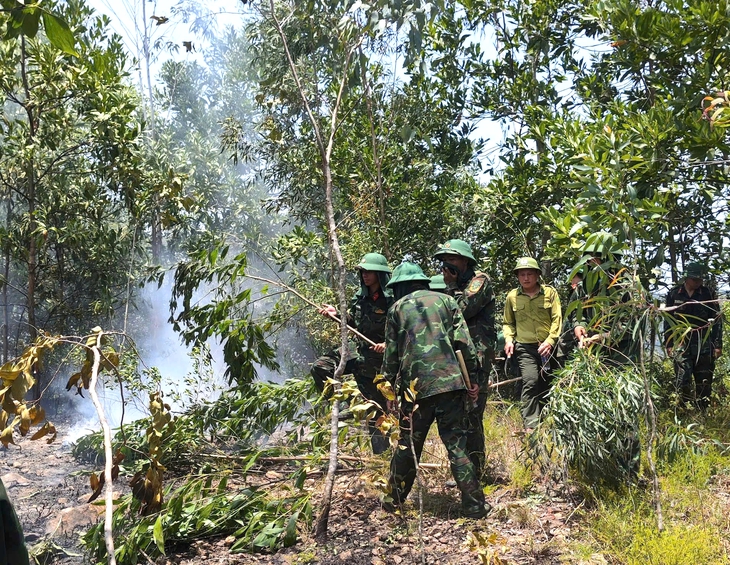
The proactive measures are a direct response to recent events. On July 19th, a fire broke out in the teak plantation area of Hoa Khanh commune, within the Hoa Vang district. This incident required the deployment of nearly 200 personnel from the 971th Border Guard Company of the Da Nang City Border Guard Command. These forces, working in coordination with local authorities, engaged in intensive efforts to suppress the blaze and prevent its spread to nearby residential areas and more densely forested sections. The fire was successfully brought under control later that same day.
Prior to this, on July 18th, another fire was reported in the Binh Yen village, Phuoc Duc commune, specifically within section 450, plots 17 and 27. This fire, affecting approximately 9,094 square meters of land, occurred in a designated production forest area managed by the Da Nang Forest Protection Department. The response to this incident also involved significant efforts from local forces and forest rangers to contain and extinguish the flames, which had been fueled by the dry conditions.
Analysis of Implications
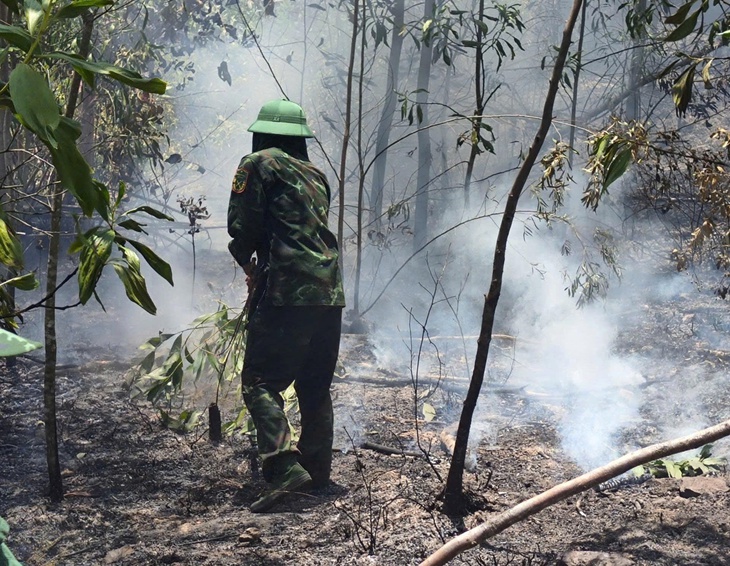
The current high-alert status and the occurrence of multiple fires underscore the vulnerability of Da Nang’s natural environment to climate change impacts. The extended dry season, exacerbated by unusually high temperatures, creates a perfect storm for wildfires. The consequences of unchecked forest fires can be severe, ranging from ecological damage, loss of biodiversity, and soil erosion to significant economic losses from timber destruction and the impact on tourism, which is a vital sector for Da Nang. Furthermore, fires can pose direct threats to human life and property, particularly in areas where forests are in close proximity to residential zones.
The proactive stance taken by the Da Nang Forest Management Department, including the issuance of the level IV warning and the intensified surveillance and public awareness campaigns, demonstrates a commitment to mitigating these risks. The involvement of military and border guard units in firefighting efforts highlights the seriousness of the situation and the need for a coordinated, multi-agency response.
As the heatwave is forecast to continue, the vigilance and preparedness of both authorities and the public will be paramount in preventing further devastating fire incidents and protecting Da Nang’s precious natural heritage. The effectiveness of these measures will be crucial in navigating the remainder of this high-risk period.