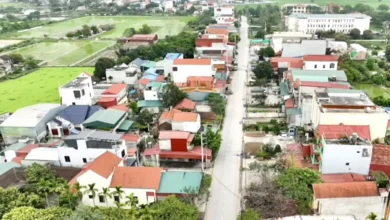
Lam Dong Province unlocks 93.4 trillion VND in capital by resolving bottlenecks for 206 stalled investment projects

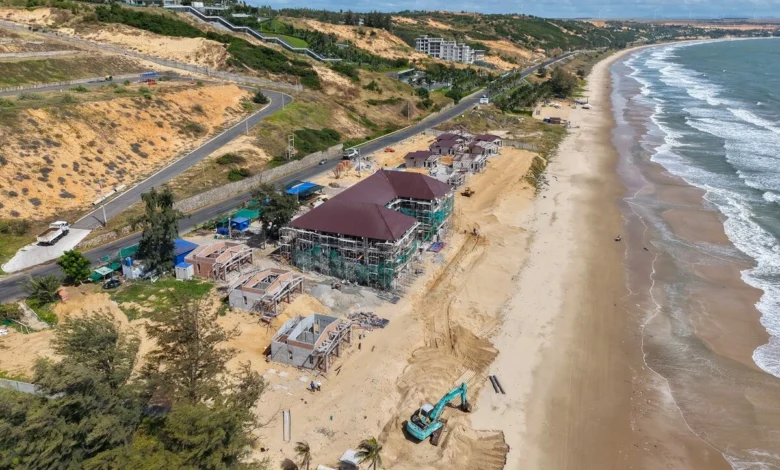
Lam Dong Province has reached a significant milestone in its ongoing administrative reform and economic revitalization efforts, successfully resolving long-standing regulatory bottlenecks for 206 stalled investment projects. This breakthrough, announced by Mr. Nguyen Tran Nhat Huy, Deputy Director of the Lam Dong Department of Finance, on November 11, 2026, marks a pivotal shift in the region’s economic landscape, unlocking over 93.4 trillion VND in previously frozen investment capital.
The province’s proactive approach to clearing these hurdles is part of a broader, high-priority initiative aimed at revitalizing stagnant sectors, including tourism, energy, industrial development, and mineral extraction. By streamlining bureaucratic processes and rectifying legal inconsistencies that have plagued these projects for years, local authorities are seeking to stimulate regional GDP growth and improve the overall investment climate in the Central Highlands.
The Scope of the Challenge
The scale of the challenge facing Lam Dong officials was substantial. Prior to these recent interventions, the provincial government identified 365 projects across various sectors that were suffering from varying degrees of administrative, legal, or land-use stagnation. These projects represented a staggering total investment value of 268.2 trillion VND and occupied approximately 24,600 hectares of land.
The causes of these delays were multifaceted. Many projects had stalled due to complex land-use disputes, overlapping regulatory frameworks regarding environmental impact assessments, and outdated zoning plans that conflicted with contemporary development goals. For years, these legal "deadlocks" prevented investors from accessing land, securing construction permits, or proceeding with operational phases, resulting in significant capital depreciation and economic inactivity.
Chronology of Administrative Intervention
The resolution of these 206 projects did not happen overnight; it is the culmination of months of intensive inter-departmental cooperation. Throughout 2026, the Lam Dong provincial government established specialized task forces dedicated to auditing stalled projects on a case-by-case basis.
- Phase One (Early 2026): Identification and classification of all 365 stalled projects, categorized by the severity of the legal obstacle and the sector of activity.
- Phase Two (Q2 2026): Development of specific, tailor-made resolution plans for projects involving land clearance, compensation, and mineral extraction rights.
- Phase Three (Mid-2026 to Present): Execution of the "unblocking" process, which included the approval of new land-lease terms, the issuance of necessary environmental permits, and the formalization of revised investment timelines.
As of November 2026, the progress is clear: 50 of the resolved projects have already entered the operational phase, representing a total capital infusion of 36.4 trillion VND and the utilization of 2,111 hectares of land. Furthermore, 37 projects have successfully resumed construction activities, injecting an additional 6.8 trillion VND into the local economy.
Key Projects and Success Stories
Among the success stories highlighted by the Department of Finance is the Lien Dam Solid Waste Treatment Plant in Di Linh district. This critical infrastructure project, essential for the region’s environmental health, had been stalled for years due to regulatory ambiguity regarding waste management protocols. Following the intervention of provincial authorities, the plant received its necessary operating licenses and commenced waste processing on May 20, 2026.
Similarly, the Thanh Danh Residential Area project has reached a positive turning point. After prolonged disputes regarding land acquisition and compensation, the project has now successfully completed the compensation phase, cleared the site, and received the necessary land-lease agreements. This allows the developer to proceed with infrastructure deployment, providing a much-needed boost to local housing supply.
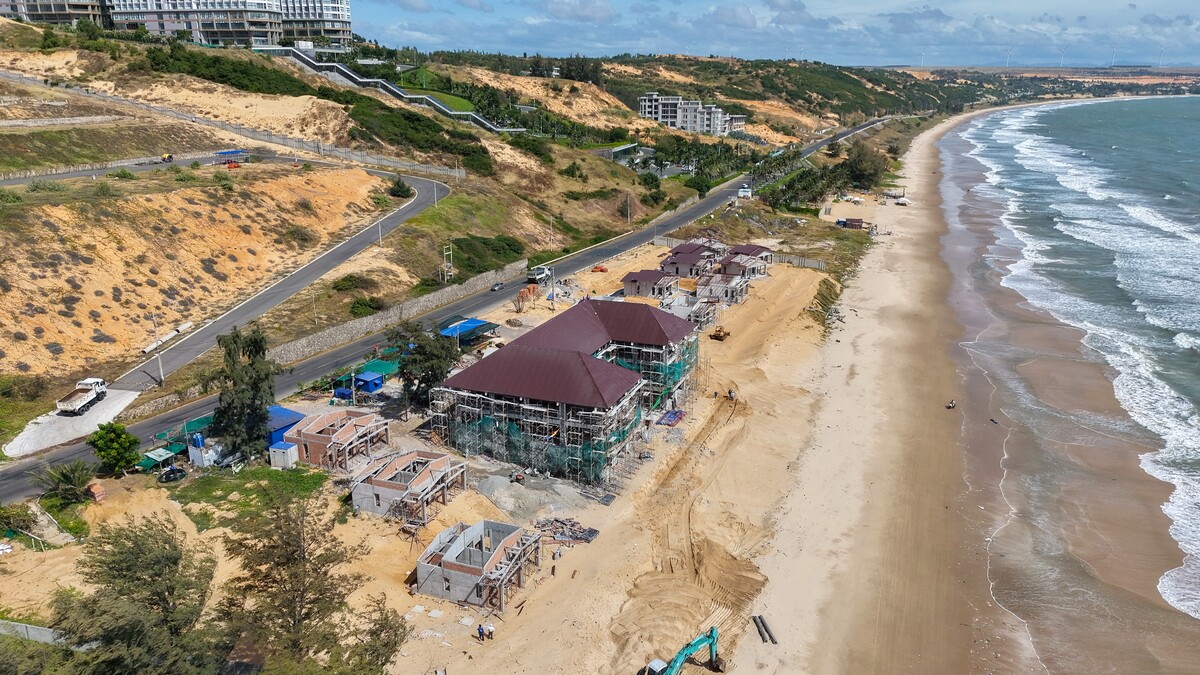
In the coastal regions, particularly in the Mui Ne area, several high-profile tourism and golf course projects have seen a resurgence. The Lamuine 1 Resort and Hotel project, which was previously hindered by conflicts between mineral resource zoning and tourism development plans, has been granted a phased investment approval. This allows the developer to proceed with construction on segments of the land that are legally cleared, with operations having already commenced on initial project phases as early as April.
Strategic Implications and Economic Impact
The resolution of these projects is expected to have a cascading positive effect on the Lam Dong economy. By transforming "dead" capital into active investment, the province is not only creating jobs but also expanding its tax base and infrastructure capacity.
The focus on tourism and green energy projects aligns with the national strategy for sustainable development in the Central Highlands. Furthermore, the provincial government’s ability to navigate the complexities of land law and environmental regulation signals a maturing regulatory environment that is increasingly attractive to both domestic and foreign investors.
Remaining Hurdles: The Path Forward
Despite these successes, the work is far from complete. There are still 159 projects currently under review, representing approximately 174.8 trillion VND in investment value and covering 14,351 hectares.
According to the Department of Finance, these remaining projects are more complex, requiring higher levels of coordination. Of these, 16 projects fall under the jurisdiction of central government agencies, while 143 remain under provincial authority. Some of the most challenging cases involve projects with historical environmental or national security zoning conflicts, such as the Hamubay Phan Thiet urban development. This project, which involves a 350-meter coastal strip, requires explicit guidance from central authorities due to its proximity to national defense-restricted areas.
Provincial leaders have reaffirmed their commitment to maintaining this momentum. The strategy moving forward involves:
- Classification and Prioritization: Categorizing the remaining 159 projects to determine which can be solved through immediate administrative action versus those requiring legislative amendments at the national level.
- Inter-Agency Coordination: Establishing a more robust communication channel with central ministries to accelerate the approval of projects that transcend provincial jurisdiction.
- Accountability and Speed: Mandating that local departments streamline the "after-approval" process, ensuring that once a project is "unblocked," the transition to the construction or operation phase occurs without further bureaucratic delays.
Conclusion: A New Era for Lam Dong
The success of the 206 projects serves as a testament to the effectiveness of proactive governance. By acknowledging the structural and legal barriers that prevent economic development, Lam Dong has demonstrated that policy reform can yield immediate, tangible results.
As the province continues to process the remaining backlog, the business community remains cautiously optimistic. The clear signal sent by the provincial government—that it is willing to engage with the complexities of the past to secure the economic potential of the future—is likely to serve as a cornerstone for Lam Dong’s development strategy in the coming decade. The focus now shifts to ensuring that these projects, once activated, adhere strictly to environmental and safety standards, ensuring that growth is not only rapid but also sustainable for the long-term benefit of the region’s residents and natural heritage.