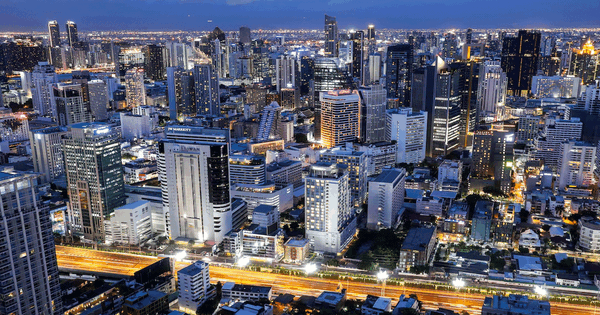
The housing markets across Southeast Asia are currently grappling with a profound structural irony: an abundance of unsold inventory existing simultaneously with an acute shortage of affordable homes for the burgeoning middle and working classes. This disconnect between supply and demand has created a "mismatch crisis," forcing governments from Manila to Bangkok to scramble for policy interventions that can bridge the gap between speculative investment models and the fundamental human need for shelter.
The Anatomy of the Supply-Demand Mismatch
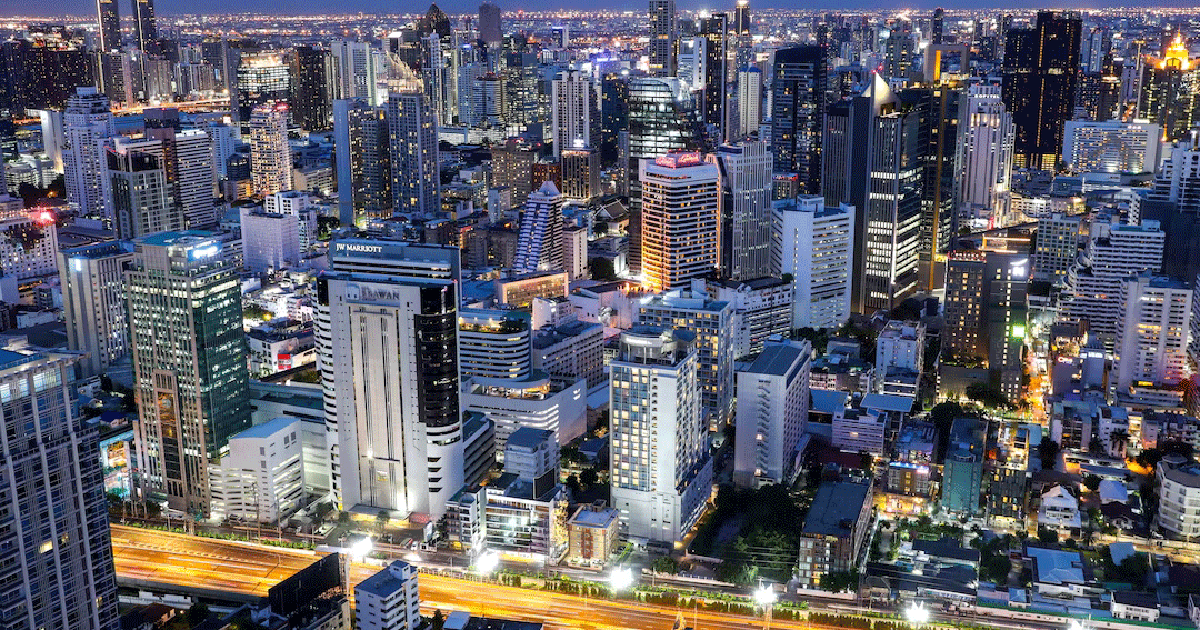
Recent data highlights the gravity of the situation. As of late October 2026, the Metro Manila region in the Philippines reported a staggering 32,600 unsold residential units. Similarly, Malaysia is projected to hold over 33,000 completed but vacant units by the first half of 2026, while Thailand’s Real Estate Information Center (REIC) recorded more than 202,000 unsold units in Bangkok and its surrounding provinces during the second quarter of 2026.
This surplus is not merely a failure of logistics; it is a direct consequence of a decade-long focus on luxury real estate development. Encouraged by the high profit margins associated with premium condominiums, developers have aggressively flooded the market with high-end properties. In cities like Phnom Penh, Cambodia, capital inflows have consistently favored the luxury segment, resulting in rows of empty, high-rise residential towers that remain largely unoccupied, while the local workforce struggles to find entry-level housing.
The Financial Chasm: Income vs. Property Value
The divide between property prices and average household income has widened to unsustainable levels. According to a 2025 report by the Urban Land Institute (ULI), property prices in Jakarta, Indonesia, have reached a staggering 17.5 times the average annual household income. This ratio serves as a critical indicator of housing unaffordability; by international standards, any ratio above five is typically considered "severely unaffordable."
In the Philippines, the situation is similarly dire. Joey Roi Bondoc, Research Director at Colliers Philippines, notes that a typical "mid-to-low" tier condominium requires a household to earn at least 1,100 USD per month—a figure roughly 2.4 times the average salary in the region. This financial barrier is compounded by deceptive marketing practices. Many developers promote "low down payment" schemes, comparing the initial installment cost to the price of a daily cup of coffee. However, these payments are merely the start of a grueling financial journey. Once the unit is handed over, the buyer must service a massive bank loan. The monthly debt obligation often jumps three to four-fold, pushing the property well beyond the borrower’s capacity to pay. Furthermore, those in the informal labor sector, who make up a significant portion of the economy, find it nearly impossible to prove stable income, leading to a high rate of loan application rejections.
The Burden of Location and Infrastructure
The crisis is not limited to the sticker price of the property. In Malaysia, where nearly 37.3% of unsold units are priced below 73,400 USD, the problem is one of geography. Siva Shanker, a senior executive at the real estate consultancy Rahim & Co Chestertons, points out that location remains the "knot" in the market. Many of these affordable units are situated on the urban periphery, far from industrial hubs, schools, and essential services. For the average worker, the cost of commuting—both in terms of time and money—often offsets the savings gained from buying a lower-cost home. The lack of efficient, integrated public transport networks linking these residential pockets to city centers effectively renders these properties undesirable for the demographic they were intended to serve.
Chronology of Intervention and Government Response
Recognizing that the private sector is unlikely to correct these market failures on its own, Southeast Asian governments have begun to implement a series of targeted interventions.
- 2025 (ULI Report): The Urban Land Institute publishes findings highlighting the extreme price-to-income ratios in major Southeast Asian capitals, signaling a regional housing emergency.
- Early 2026: Thailand records record-high inventory levels in Bangkok, prompting discussions on interest rate subsidies.
- October 9, 2026: The Malaysian government unveils its 2027 Budget, proposing a 4.9 billion USD credit guarantee scheme aimed at first-time homebuyers. This policy is specifically designed to assist those in the gig economy or self-employed individuals who struggle with traditional income documentation.
- Late 2026: Malaysia introduces a stamp duty exemption for first-time home purchases up to 122,300 USD, effective through 2030, in a bid to clear the backlog of unsold affordable units.
- Ongoing (Thailand): Thai authorities have moved to allow 100% financing on specific property types, while also reducing transfer fees and mortgage registration costs to stimulate movement in the market.
The Singaporean Model: A Study in Public Housing
While other nations struggle, Singapore continues to serve as the regional benchmark for stability. The Housing and Development Board (HDB) provides housing for nearly 80% of the nation’s citizens. The model relies on a unique, compulsory savings scheme (the Central Provident Fund), which allows citizens to use their pension contributions to purchase homes. By controlling the supply of land and focusing on large-scale public housing, Singapore has largely decoupled the fundamental need for shelter from the volatility of speculative real estate investment.
Implications for the Future: A Shift Toward Renting?
As the dream of homeownership becomes increasingly elusive, some urban planners are advocating for a paradigm shift. Mark Cooper of the ULI suggests that governments should pivot toward expanding the rental market for the working class. Quezon City in the Philippines has already begun experimenting with increased options for socialized rental housing, providing a viable alternative for families who cannot meet the rigorous credit requirements for a mortgage.
The implications of failing to address this "mismatch" are significant. Persistent housing unaffordability threatens to increase income inequality, dampen social mobility, and create "hollowed-out" urban centers where essential workers are forced to reside in substandard conditions on the outskirts.
For the governments of Southeast Asia, the path forward requires more than just financial subsidies. It demands a fundamental realignment of zoning laws, a commitment to transit-oriented development, and a re-evaluation of whether housing should be treated primarily as a financial asset or as a fundamental social utility. Without a coordinated effort to align supply with the actual economic reality of the population, the region risks deepening a social divide that could take decades to reconcile. The current surplus of empty luxury condos serves as a silent, yet powerful testament to the urgent need for a more inclusive approach to urban development in the region.