Can cooling and reheating rice effectively slow down blood sugar spikes and what should you know

For many health-conscious individuals, particularly those managing diabetes or insulin resistance, the daily consumption of white rice—a staple of the Asian diet—often comes with concerns regarding glycemic index (GI) and blood sugar regulation. A common dietary hack has emerged in recent years: cooking rice, cooling it in the refrigerator or freezer, and then reheating it before consumption. Proponents claim this method transforms the starch structure, effectively lowering the postprandial glucose response. However, while this technique is grounded in nutritional science, it is not a panacea for dietary mismanagement. To understand its true efficacy, one must examine the biochemistry of resistant starch, the variables of grain composition, and the critical food safety protocols required to avoid bacterial contamination.
The Biochemistry of Resistant Starch
The fundamental mechanism behind this practice lies in the formation of "resistant starch." When rice is cooked, the heat and water cause the starch granules to absorb moisture and swell, a process known as gelatinization. In this state, the starch is highly digestible and rapidly converted into glucose in the small intestine, leading to a swift increase in blood sugar.
As the rice cools, the starch molecules undergo a process called retrogradation. The starch chains recrystallize into a more compact, orderly structure. This structural transition renders a portion of the starch resistant to the digestive enzymes (amylases) in the small intestine. Because these enzymes cannot fully break down this modified structure, the resistant starch passes into the large intestine, where it acts similarly to dietary fiber, undergoing fermentation by gut microbiota.
Because a portion of the carbohydrates is effectively "resisted" or slowed down, the glucose release into the bloodstream is attenuated. Clinical observations suggest that this process can significantly reduce the glycemic load of a meal. Importantly, reheating the rice does not fully reverse this process; while some starch may revert to a digestible state, a significant portion remains in the resistant form, provided the reheating is not excessive.
Factors Influencing Glycemic Impact
It is a common misconception that all rice varieties respond identically to the cooling process. In reality, the efficacy of this method is contingent upon several biological and environmental factors.
-
Amylose Content: The chemical composition of the rice grain is the primary determinant. Rice varieties with higher amylose content—typically long-grain, non-glutinous types like basmati or jasmine—are more prone to forming resistant starch upon cooling. Conversely, short-grain, sticky, or glutinous rice varieties contain higher levels of amylopectin, which is highly branched and less prone to crystallization. Consequently, cooling sticky rice yields negligible amounts of resistant starch.
-
Temperature and Duration: The kinetics of retrogradation require time. Research suggests that keeping cooked rice in a refrigerated environment (typically 4°C) for 12 to 24 hours is the optimal window to maximize resistant starch formation. Extended cold storage helps maintain this structure, providing a stable, low-glycemic dietary component.
-
Portion Control: Even with the formation of resistant starch, the total carbohydrate load remains a factor. If an individual consumes double the portion size under the assumption that the rice is now "safe," the total glucose influx will still trigger a significant glycemic response, placing undue stress on the pancreas.
-
Meal Composition and Sequence: The order of food consumption remains one of the most effective strategies for glycemic control. Consuming fiber-rich vegetables and proteins before carbohydrates creates a protective layer in the digestive tract that further slows glucose absorption. Eating cold-reheated rice alongside a meal rich in healthy fats and proteins is significantly more effective than consuming it in isolation.
Chronology and Safety: The Bacillus Cereus Risk
While the nutritional benefits are well-documented, food safety experts warn of the risks associated with improper cooling. A significant concern is the bacterium Bacillus cereus, which is commonly found in soil and can survive the initial cooking process in spore form.
If rice is left at room temperature for an extended period—a common occurrence in many households—these spores can germinate and produce heat-stable toxins. These toxins are not destroyed by reheating, meaning that even if the rice is steamed again, the potential for food poisoning (typically manifesting as vomiting or nausea) remains.
To mitigate this risk, nutritionists recommend a strict protocol:
- Immediate Cooling: Portion the rice into small, shallow containers immediately after cooking to allow for rapid heat dissipation.
- Rapid Refrigeration: Place the containers in the refrigerator or freezer within one to two hours of cooking.
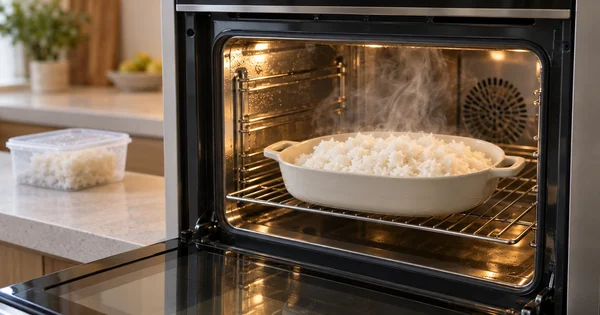
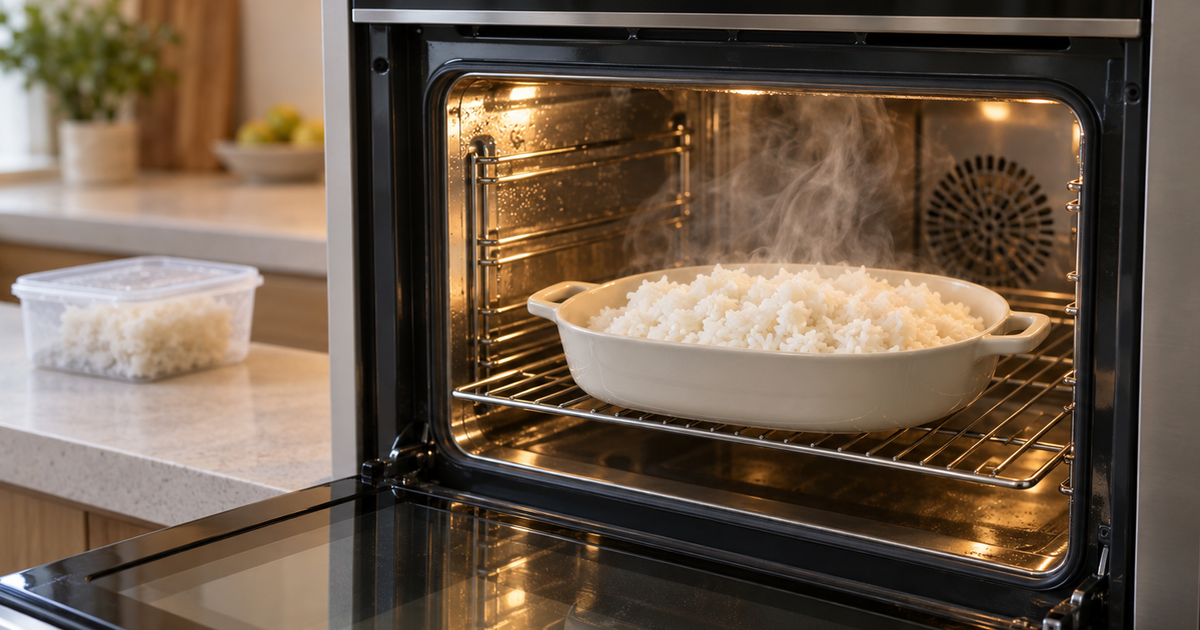
- Controlled Reheating: Use gentle reheating methods to ensure the rice is heated through without destroying the resistant starch structure created during the cooling phase.
Broader Implications for Metabolic Health
According to Dr. Chau Tu Anh, a specialist at the Department of Nutrition at Xuyen A General Hospital in Ho Chi Minh City, the practice of cooling rice should be viewed as a supplementary strategy rather than a replacement for a balanced lifestyle.

"This is not a magic bullet," Dr. Anh notes. "While it is a useful tool for those monitoring blood sugar, it does not negate the necessity of a comprehensive dietary approach. A sustainable strategy for glycemic control must prioritize whole foods, mindful portioning, and consistent physical activity."
The implications for public health are significant. In many Southeast Asian cultures where rice is consumed at every meal, even a modest reduction in the glycemic response can have a cumulative impact on the prevention of Type 2 diabetes and metabolic syndrome. However, relying solely on this technique while ignoring the broader context of one’s diet—such as the high intake of processed sugars or sedentary behavior—will yield limited results.
Clinical Perspective and Best Practices
When integrating this practice into a medical nutrition therapy plan, clinicians often emphasize the "sequence of intake." The goal is to modulate the insulin response throughout the day. By prioritizing vegetables and proteins first, the body is primed for a more stable metabolic process.
Furthermore, the shift toward higher-amylose, unrefined grains (such as brown rice or red rice) in conjunction with the cooling method can offer a synergistic effect. These grains are naturally higher in fiber, further slowing down the rate of digestion compared to polished white rice.
Ultimately, the science of resistant starch offers a compelling example of how simple culinary adjustments can interact with human physiology to promote better health. By understanding the chemical changes that occur during cooling and respecting the microbiological risks of food storage, individuals can make more informed choices that support their long-term metabolic goals. However, as with all dietary interventions, consistency, moderation, and professional medical guidance remain the cornerstones of successful health management.