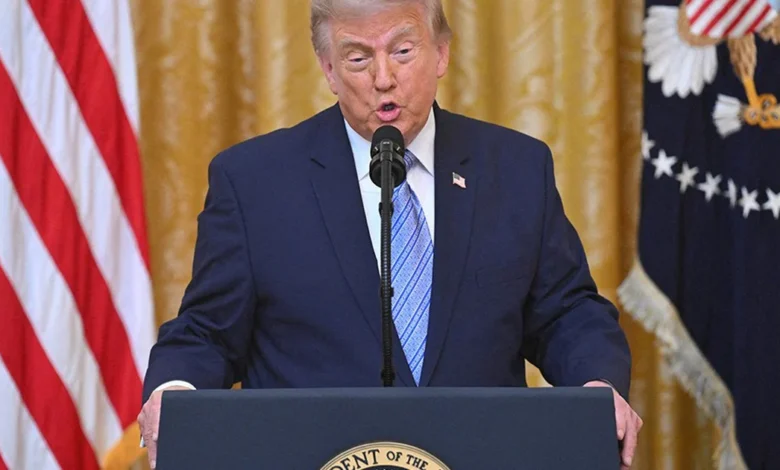
President Donald Trump has leveled serious accusations against China, alleging that the nation engaged in covert efforts to influence the outcome of the 2020 U.S. presidential election. The President’s statements, made during a recent address to the nation on July 17th (U.S. time), focused on national security concerns related to foreign interference in electoral processes. While initially raising questions about election security, the President’s remarks concluded without providing concrete evidence to substantiate claims of vote manipulation or interference in the election results.
New Allegations Target China’s Role in the 2020 Election
President Trump’s latest pronouncements cast a shadow over the integrity of the 2020 election, a topic that has been a recurring theme in his political discourse. He asserted that the White House had uncovered intelligence indicating Chinese involvement. Specifically, the President claimed that China had secretly carried out an "assault" with the intent of undermining his re-election bid. He described these alleged actions as the "biggest influence operation in the history of our country," a statement that underscores the gravity of his accusations.
The President’s claims suggest that Beijing may have been involved in the systematic acquisition of sensitive U.S. voter data prior to the 2020 election. While the President indicated that the administration had been alerted to these intelligence findings, he stopped short of presenting any definitive proof that this alleged data acquisition directly aided the electoral success of his opponent, former Vice President Joe Biden.
White House Intelligence and Data Acquisition Claims
According to the President, U.S. intelligence agencies had gathered information suggesting that China had engaged in covert, non-public information gathering activities targeting approximately 220 million U.S. voter registration records before the 2020 election. These alleged efforts, if substantiated, would represent a significant breach of national sovereignty and electoral security. However, as with previous assertions, the President did not offer specific evidence linking these activities to a direct impact on the election’s outcome.
In tandem with his address, the White House released a website featuring extensive documentation. This compilation reportedly includes information designed to illustrate potential vulnerabilities in election security, such as data related to election audits and analyses of cybersecurity threats. President Trump posited that this trove of information demonstrated that the U.S. electoral system was susceptible to manipulation and foreign influence. He further stated that federal agencies had communicated warnings to states regarding the potential compromise of voter data.
President Trump reiterated his call for the passage of the SAVE Act, a legislative proposal aimed at bolstering election security. This act would mandate the issuance of voter registration documents with physical identification, require proof of citizenship for voters, and grant federal authorities increased access to voter data in various jurisdictions.
Media Coverage and Presidential Criticism
The President also criticized media outlets, including ABC, NBC, and CNN, for what he perceived as insufficient or biased coverage of his remarks. He suggested that these networks had failed to provide direct reporting on his speech, which he characterized as addressing issues of critical national importance, such as war, national security, and natural disasters. The President’s critique also touched upon the media’s editorial discretion, asserting their right to decide what content is newsworthy. He drew a parallel to past instances where speeches by Mr. Biden and former President Barack Obama were reportedly not broadcast live due to their perceived lack of urgency or public interest.
Democratic Party and China Denounce Allegations
The Democratic Party, through its leadership, has largely dismissed President Trump’s claims as baseless and politically motivated. Senate Intelligence Committee Vice Chairman Mark Warner, a leading Democrat, stated that the President’s assertions regarding China’s interference were "completely false" and designed to create unnecessary alarm within the federal government. The Democratic Congressional Campaign Committee (DCCC) also issued a statement accusing President Trump of attempting to "deceive and disenfranchise" voters.
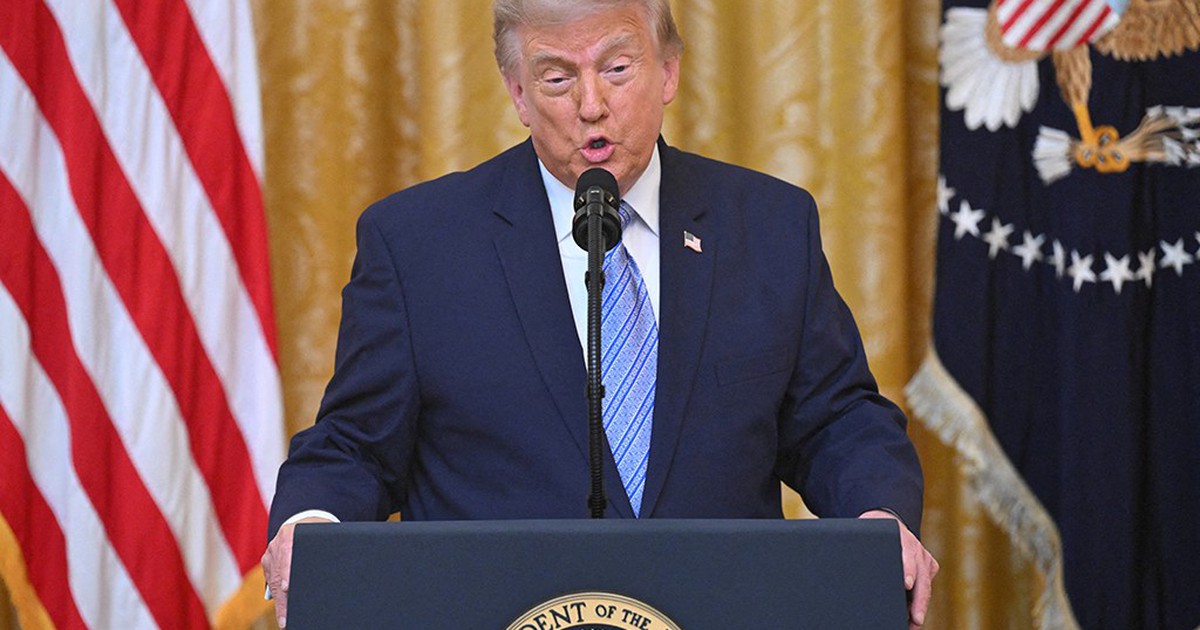
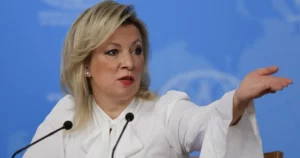
In response to the President’s allegations, China’s Ministry of Foreign Affairs, through spokesperson Geng Shuang, vehemently denied the accusations. Mr. Geng stated that China "does not care about the U.S. election and has never interfered in its internal affairs." He characterized the President’s claims as "lies and slander" and "malicious attempts to smear China." This direct rebuttal from Beijing firmly rejects any involvement in the U.S. electoral process.
Analyst Perspectives on the Implications
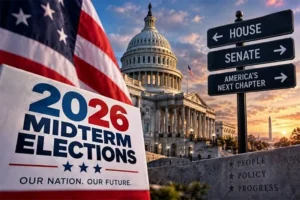
Political analysts suggest that President Trump’s pronouncements may be an attempt to sow seeds of doubt about the legitimacy of the upcoming election, particularly as the Republican Party faces challenges in maintaining its control of Congress. The President’s strategy, according to some observers, could be aimed at mobilizing his base and potentially mitigating any negative perceptions of his administration’s performance. The timing of these allegations, preceding a critical election cycle, has led to speculation about their strategic intent.
Broader Context: Foreign Interference and Election Security
The issue of foreign interference in U.S. elections has been a significant concern since the 2016 election, when intelligence agencies confirmed Russian efforts to influence the outcome. Since then, U.S. government agencies have been working to bolster cybersecurity defenses and develop strategies to counter foreign disinformation campaigns. The 2020 election saw heightened vigilance, with various agencies monitoring for potential threats from state and non-state actors.
The President’s focus on China highlights a growing geopolitical tension between the two global powers. Beyond election interference, the U.S. and China have engaged in trade disputes, technological competition, and disagreements over human rights and international policy. These broader tensions may be influencing the rhetoric surrounding election security.
U.S. Visa Policies Under Scrutiny
In related developments, the Trump administration has implemented new regulations aimed at tightening visa policies for foreign nationals, including students and journalists. These measures, which could take effect as early as September, are expected to reduce the authorized stay periods for individuals on F visas (for students), J visas (for cultural exchange participants), and I visas (for foreign media representatives).
Specifically, the proposed changes would limit the duration of stay for F and J visa holders to a maximum of four years, a reduction from previous policies that allowed for indefinite stays. For I visa holders, the limit would be set at 240 days, with a specific allowance of 90 days for Chinese nationals. Beijing has publicly condemned these proposed changes, labeling them as discriminatory and a violation of international norms. This tightening of visa regulations could have significant implications for international academic collaboration, cultural exchange, and the presence of foreign journalists in the United States.
Impact on International Relations and Exchange
The new visa policies, coupled with the President’s election interference allegations, could further strain U.S.-China relations. Critics argue that such measures could hinder valuable academic and cultural exchanges, potentially isolating the U.S. and reducing opportunities for mutual understanding. The government’s justification for these changes often centers on national security concerns and the need to protect American interests, but the broad impact on international engagement remains a subject of debate.
The ongoing discourse surrounding election security, foreign influence, and evolving visa policies underscores the complex and dynamic nature of international relations in the current geopolitical landscape. As the 2020 election cycle progresses, these issues are likely to remain at the forefront of public and political attention.