IPad M1 and Apple Accessories Challenge MacBook 16-inch in Portability, Sparking Device Comparison Debate

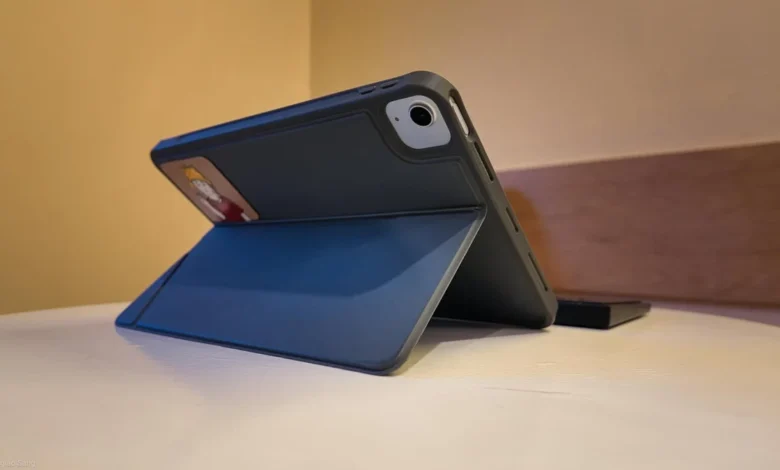
A recent discussion originating from Vietnam has ignited a debate regarding the perceived weight and portability of Apple’s iPad M1 when paired with specific accessories, suggesting it can rival or even surpass the carrying burden of a 16-inch MacBook Pro. This sentiment, amplified by observations of accessories like the Wiwu and Razer Joro, has led to a re-evaluation of device portability, with a particular focus on the practicality of using iPads for mobile work. The core of the argument hinges on the combined weight of an iPad M1 and its accompanying accessories, prompting a closer examination of how users are choosing to assemble their mobile computing setups.
The initial sentiment expressed, which has since gained traction online, posits that the iPad M1, when equipped with certain accessories, presents a surprisingly substantial package. This observation contrasts with the common perception of tablets as inherently lightweight and portable computing solutions. The comparison to a 16-inch MacBook Pro, a device known for its power but also its considerable heft, suggests that the evolving ecosystem around the iPad is contributing to an unexpected increase in its overall carrying weight. This has led to questions about the optimal device choice for users prioritizing mobility.
The Weight of Convenience: Deconstructing the iPad M1 Ecosystem
At the heart of this discussion lies the iPad M1, a device that, on its own, is celebrated for its sleek design and impressive performance capabilities. Launched in April 2021, the iPad Pro models featuring the M1 chip represented a significant leap in processing power for Apple’s tablet line, bridging the gap between tablets and traditional laptops. The M1 chip, originally designed for Macs, brought desktop-class performance to the iPad, enabling more demanding workflows such as video editing, graphic design, and complex multitasking. However, the discussion highlights that the true portability of the iPad M1 is not solely determined by the tablet itself, but by the accompanying accessories that enhance its functionality.
When users opt to transform their iPad Pro into a more laptop-like experience, they often turn to accessories such as keyboard cases, stylus pens, and external storage. The Magic Keyboard for iPad Pro, for instance, provides a full-sized keyboard and a trackpad, significantly enhancing productivity. While offering a superior typing and navigation experience, this accessory also adds a considerable amount of weight to the iPad. Similarly, the Apple Pencil, while lightweight, adds to the overall ensemble. Furthermore, third-party accessories, such as the aforementioned Wiwu and Razer Joro products, are designed to offer specialized functionality or enhanced protection, but can also contribute to the combined weight.
The comparison to a 16-inch MacBook Pro is particularly striking. This professional-grade laptop, renowned for its large display, powerful internals, and robust build, typically weighs around 4.3 pounds (approximately 1.95 kg). The assertion that an iPad M1, bundled with accessories, can approach or exceed this weight suggests a potential shift in how users perceive and assemble their portable workstations. This raises questions about the fundamental trade-offs between power, functionality, and portability in the modern computing landscape.
Tracing the Origin of the Comparison: A Vietnamese Online Discussion
The genesis of this debate can be traced back to online forums and social media platforms in Vietnam, where users engaged in conversations about their personal technology setups. These discussions often revolve around practical user experiences, sharing insights into the day-to-day use of various devices. The initial comments, characterized by a direct and conversational tone, express surprise at the cumulative weight of an iPad M1 paired with specific accessories. Phrases like "the iPad M1 is quite heavy" and comparisons to the substantial feel of the 16-inch MacBook Pro indicate a genuine observation from users who are actively managing their mobile tech carry.
The mention of accessories like the Wiwu and Razer Joro suggests that these third-party offerings are playing a role in this perception. These brands are known for producing a range of tech accessories, often focusing on enhancing the functionality and protection of popular devices like iPads and MacBooks. Their inclusion in the discussion implies that users are not just considering the base tablet and official Apple accessories, but the broader market of add-ons that can significantly alter the overall form factor and weight of the iPad.
The timeline of this discussion, while not precisely dated in the provided text, appears to be recent, fueled by the continued popularity and widespread adoption of the iPad M1. As more users invest in these powerful tablets and explore the expanding accessory market, these practical considerations about weight and portability naturally emerge. The informal nature of the initial exchanges suggests a grassroots observation that has resonated with a wider audience, prompting further discussion and analysis.
Quantifying the Burden: A Data-Driven Perspective
To objectively assess the claims made, it’s crucial to examine the weight specifications of the devices and popular accessories involved.
- iPad Pro 12.9-inch (M1, 5th generation): This model, often the subject of such comparisons, weighs approximately 1.38 pounds (625 grams) for the Wi-Fi version and 1.41 pounds (641 grams) for the Wi-Fi + Cellular version.
- iPad Pro 11-inch (M1, 3rd generation): The smaller sibling weighs around 1.03 pounds (466 grams) for the Wi-Fi version and 1.05 pounds (470 grams) for the Wi-Fi + Cellular version.
- Magic Keyboard for 12.9-inch iPad Pro: This accessory adds approximately 2.19 pounds (994 grams).
- Magic Keyboard for 11-inch iPad Pro: This keyboard weighs around 1.11 pounds (507 grams).
- Apple Pencil (2nd generation): This stylus weighs a mere 0.05 pounds (20.7 grams).
- MacBook Pro 16-inch (2019 model, a common benchmark): This laptop weighs approximately 4.3 pounds (1.95 kg).
- MacBook Air (M1 chip): A lighter alternative, this weighs around 2.8 pounds (1.29 kg).
Considering these figures, a 12.9-inch iPad Pro with the Magic Keyboard would total approximately 3.57 pounds (1.62 kg) for the Wi-Fi model. This is indeed substantial and approaches the weight of the 16-inch MacBook Pro. While not exceeding it, it certainly challenges the notion of the iPad being a significantly lighter alternative when configured for productivity. The 11-inch iPad Pro with its Magic Keyboard would weigh around 2.14 pounds (973 grams), which is considerably lighter than the 16-inch MacBook Pro but still a notable package.
The mention of third-party accessories like the Wiwu and Razer Joro is harder to quantify without specific product details. However, these brands often offer protective cases, stands, and even integrated storage solutions, any of which can add further weight. For instance, a rugged, all-in-one case with a built-in keyboard and stand could easily add another pound or more to the iPad’s total weight.
The User’s Dilemma: iPad vs. MacBook for Mobile Work
The core of the user’s dilemma, as expressed in the online discussions, revolves around the practicalities of mobile work. The question posed is essentially: "If an iPad with accessories becomes as heavy as a MacBook, what is the optimal choice for productivity on the go?"
For tasks that require intensive processing, a full desktop operating system, or extensive keyboard and trackpad use, the MacBook Pro has historically been the preferred choice. Its inherent design is geared towards these functionalities. However, the iPad M1 has blurred these lines considerably. Its powerful M1 chip allows it to handle many demanding tasks, and with accessories like the Magic Keyboard and Stage Manager (introduced in iPadOS 16), it offers a more capable multitasking environment than ever before.
The trade-off becomes evident when considering the form factor and user experience. While a fully equipped iPad can match the weight of a MacBook, its touch-first interface and the limitations of iPadOS for certain professional workflows can still be a deciding factor for some. Conversely, for users whose primary needs involve content consumption, note-taking, sketching, and less intensive productivity tasks, the iPad M1, even with a keyboard, might still offer a more versatile and adaptable experience due to its touch capabilities and lighter standalone weight.
The sentiment of "buy a MacBook Air for work, and it’s lighter to carry" directly addresses this. The MacBook Air, particularly the M1 and M2 models, offers a balance of performance and portability, weighing significantly less than the larger MacBook Pro models. It provides a traditional laptop experience without the bulk. The question then becomes whether the iPad’s unique strengths, such as its stylus input and touch interface, are worth the potential added weight and the compromises in traditional laptop functionality.
Implications for the Future of Mobile Computing
This discussion has broader implications for the future of mobile computing. It highlights a growing trend where the lines between tablets and laptops are becoming increasingly blurred. Manufacturers are responding by creating accessories that enhance the productivity of tablets, and operating systems are evolving to support more complex workflows.
The rise of powerful tablet processors like Apple’s M-series chips, combined with sophisticated accessory ecosystems, presents consumers with more nuanced choices. It’s no longer a simple binary decision between a tablet and a laptop; it’s about configuring a device that best suits individual needs and priorities. For some, the ability to detach the keyboard and use the iPad as a pure tablet for drawing or media consumption, while still having the option for a full productivity setup, might outweigh the marginal weight increase. For others, the familiar and robust experience of a traditional laptop like the MacBook Air or a lighter MacBook Pro might remain the more practical choice for consistent mobile work.
The focus on weight and portability underscores a perennial concern for mobile users. As devices become more powerful, there’s a constant push to keep them manageable for everyday transport. The iPad M1, with its impressive capabilities, is a prime example of how this balance can be challenged by its own success and the accessories that enable its full potential. Ultimately, the "best" device for mobile work remains a subjective decision, influenced by individual workflows, budget, and the ever-evolving landscape of technology. The ongoing debate in online communities serves as a valuable indicator of user sentiment and practical considerations that shape the market.
Related posts: