Người đẹp dược sĩ vô địch 55km, hot girl Vy Phan than “quá khổ” ở giải Măng Đen Trail


The landscape of Vietnamese trail running witnessed a weekend of exceptional endurance and athletic prowess as the Măng Đen LaLa Trail 2026 concluded on March 7th in the highlands of Kon Plông, Kon Tum. Simultaneously, the historic atmosphere of Hải Dương hosted the "Côn Sơn, Kiếp Bạc – Journey of Heritage" half-marathon, drawing nearly 1,000 participants to celebrate both physical fitness and national history.
Măng Đen LaLa Trail 2026: A Test of Resilience
The Măng Đen LaLa Trail 2026 has officially solidified its reputation as one of the most grueling yet prestigious events in the regional running circuit. Recognized by the Ultra-Trail du Mont-Blanc (UTMB) and providing athletes the opportunity to earn valuable UTMB Index points, the race attracted a diverse field of elite competitors and enthusiastic amateurs. The event featured five distinct categories—10km, 25km, 55km, 75km, and 100km—designed to navigate the challenging terrain of the Central Highlands.
The course itself, carved through the dense, rugged forests of Kon Plông, is renowned for its steep elevation gains, unpredictable weather, and technical trail sections. These factors serve as a litmus test for endurance athletes, forcing them to balance speed with the necessity of navigating wild, untamed wilderness.
The Triumph of Giang Nguyễn
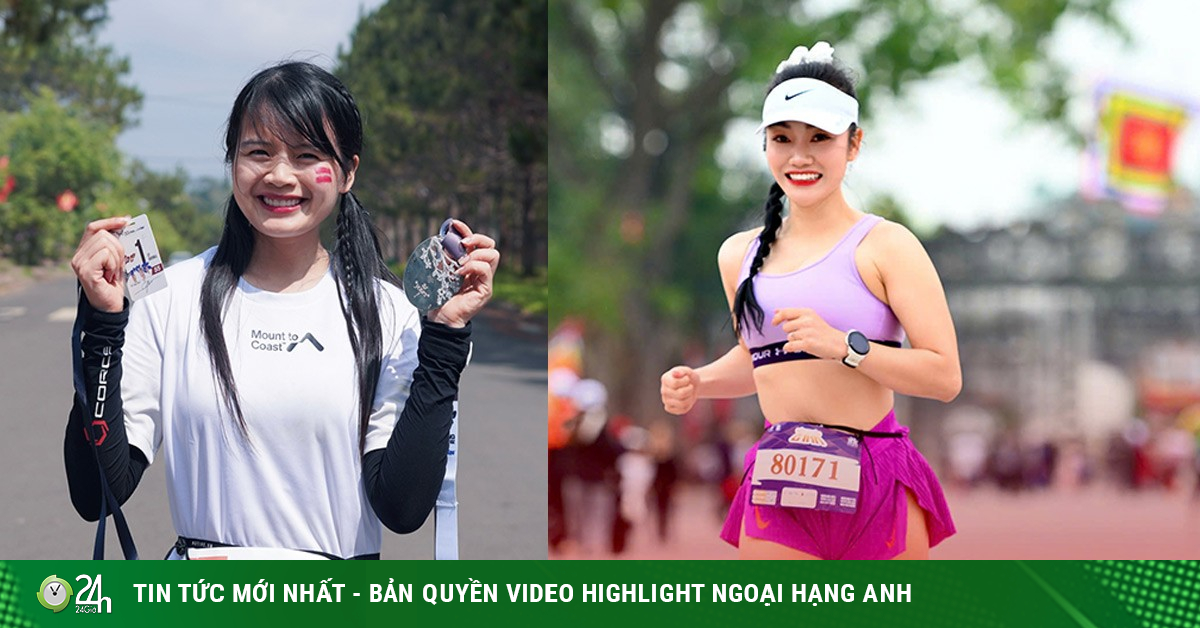
One of the most compelling narratives to emerge from the 55km category was the victory of Nguyễn Thị Trà Giang, affectionately known as Giang Nguyễn. A pharmacist by profession and a resident of Hà Tĩnh, Giang has become a recognizable figure in the domestic marathon scene since she began her competitive journey in 2020. Standing at 1.50 meters, she defies the common perception that distance running requires a specific physical stature, relying instead on disciplined training and mental fortitude.
Giang’s preparation for the Măng Đen event was unconventional; she arrived at the venue mere hours before the start line. Despite the lack of an extended acclimatization period, she showcased superior tactical management, finishing the 55km course in 7 hours, 38 minutes, and 34 seconds. Her victory was decisive, placing her approximately 18 minutes ahead of the runner-up, Trần Thúy Minh Thủy, who completed the race in 7 hours, 46 minutes, and 3 seconds.
The Challenge of the Ultra-Distances
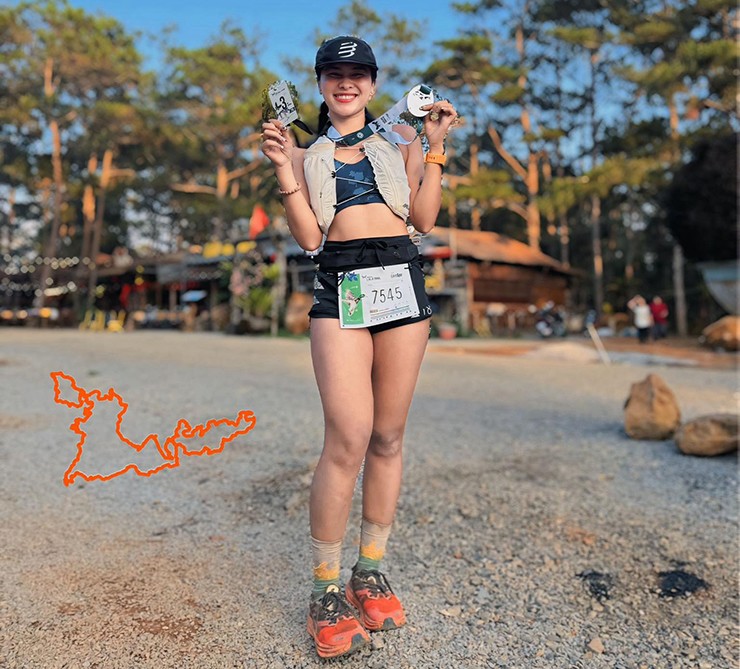
While the 55km race showcased tactical brilliance, the 75km and 100km categories highlighted the raw limits of human endurance. Vy Phan, a well-known personality within the running community, secured a third-place finish in the 75km category with a time of 13 hours and 58 minutes. Despite her podium placement, Vy Phan’s post-race comments underscored the extreme difficulty of the course. She admitted that the physical and mental toll was so significant that she would not be willing to replicate the effort, noting, "It was simply too difficult."
The 100km category, the most demanding segment of the event, saw a unique display of sportsmanship. Athletes Đào Quang Cường and Đỗ Trung Kiên crossed the finish line together, sharing the first-place position with a recorded time of 15 hours, 51 minutes, and 29 seconds. In the women’s 100km race, Nguyễn Thị Nguyệt claimed the title after 16 hours, 42 minutes, and 23 seconds of continuous movement. Organizers noted that while the event drew international interest, the top spots were firmly dominated by Vietnamese athletes, signaling a significant rise in the standard of local trail running.
Historical Commemoration in Hải Dương
While the trails of Măng Đen tested the limits of endurance, the "Côn Sơn, Kiếp Bạc – Journey of Heritage" half-marathon in Hải Dương offered a different kind of experience. Held on the same day, the event blended athletic competition with cultural preservation, as runners traversed paths surrounding the historic Côn Sơn and Kiếp Bạc temple complex.

The race attracted nearly 1,000 runners, ranging from seasoned semi-professional athletes to casual joggers. Among those drawing attention was Trịnh Lễ, a fitness enthusiast and gym regular. Her participation in the 21km race served as a testament to the growing trend of lifestyle athletes who balance aesthetic training with endurance performance.
"The weather was ideal for running today," Trịnh Lễ remarked following the race. "I maintained a consistent training regimen throughout the Tet holiday, which ensured my stamina remained at a competitive level. Since the race started early at 6:20 AM, the conditions were perfect. I am very satisfied with my opening performance of the year and am already shifting my focus toward the West Lake Marathon 2026 and the Hanoi Trail event scheduled for April."
Analysis of the Growing Running Culture in Vietnam
The concurrent success of both the Măng Đen LaLa Trail and the Côn Sơn, Kiếp Bạc half-marathon reflects a broader trend in Vietnamese sports culture. Over the past decade, the country has seen a massive surge in the popularity of road running and, more recently, trail running.

- Economic and Social Impact: These events generate significant local tourism. The influx of participants, their families, and support crews provides a boost to the hospitality and service sectors in both mountainous regions like Kon Plông and historical hubs like Hải Dương.
- Professionalization: The integration of international standards, such as the UTMB Index, has forced local organizers to improve safety protocols, medical support, and trail marking. This, in turn, has raised the caliber of domestic athletes who are now training with more scientific rigor.
- Diversity of Participation: As evidenced by the success of athletes like Giang Nguyễn, the sport is becoming increasingly accessible. The rise of "hot girl" runners—social media influencers who advocate for fitness—has helped normalize running for a younger generation, moving the sport away from being an "elite-only" endeavor.
Looking Ahead: The 2026 Racing Calendar
The performances recorded this weekend serve as a preview for the rest of the 2026 season. With major events like the West Lake Marathon and various provincial trail races on the horizon, the domestic circuit is becoming increasingly competitive.
For the athletes, the challenges remain consistent: high-altitude fatigue, nutritional management during long-duration efforts, and the mental strain of technical terrain. However, the recurring themes of community support, heritage appreciation, and personal growth suggest that the running movement in Vietnam is not merely a passing phase, but a deeply ingrained cultural shift toward wellness and performance.
As the dust settles in Măng Đen and the participants in Hải Dương return to their daily routines, the focus shifts to the next set of challenges. Whether it is the technical ascent in the mountains or the historic streets of the city, the Vietnamese running scene continues to demonstrate that it is, perhaps, more vibrant and resilient than ever before. The successes of Giang Nguyễn, Vy Phan, and Trịnh Lễ are not just individual achievements; they represent the collective spirit of an evolving sporting nation.
Related posts: