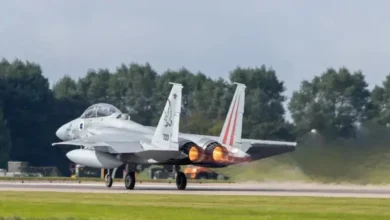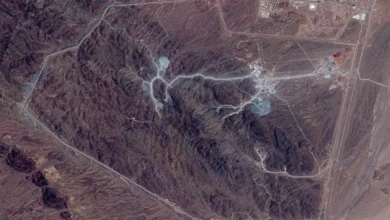
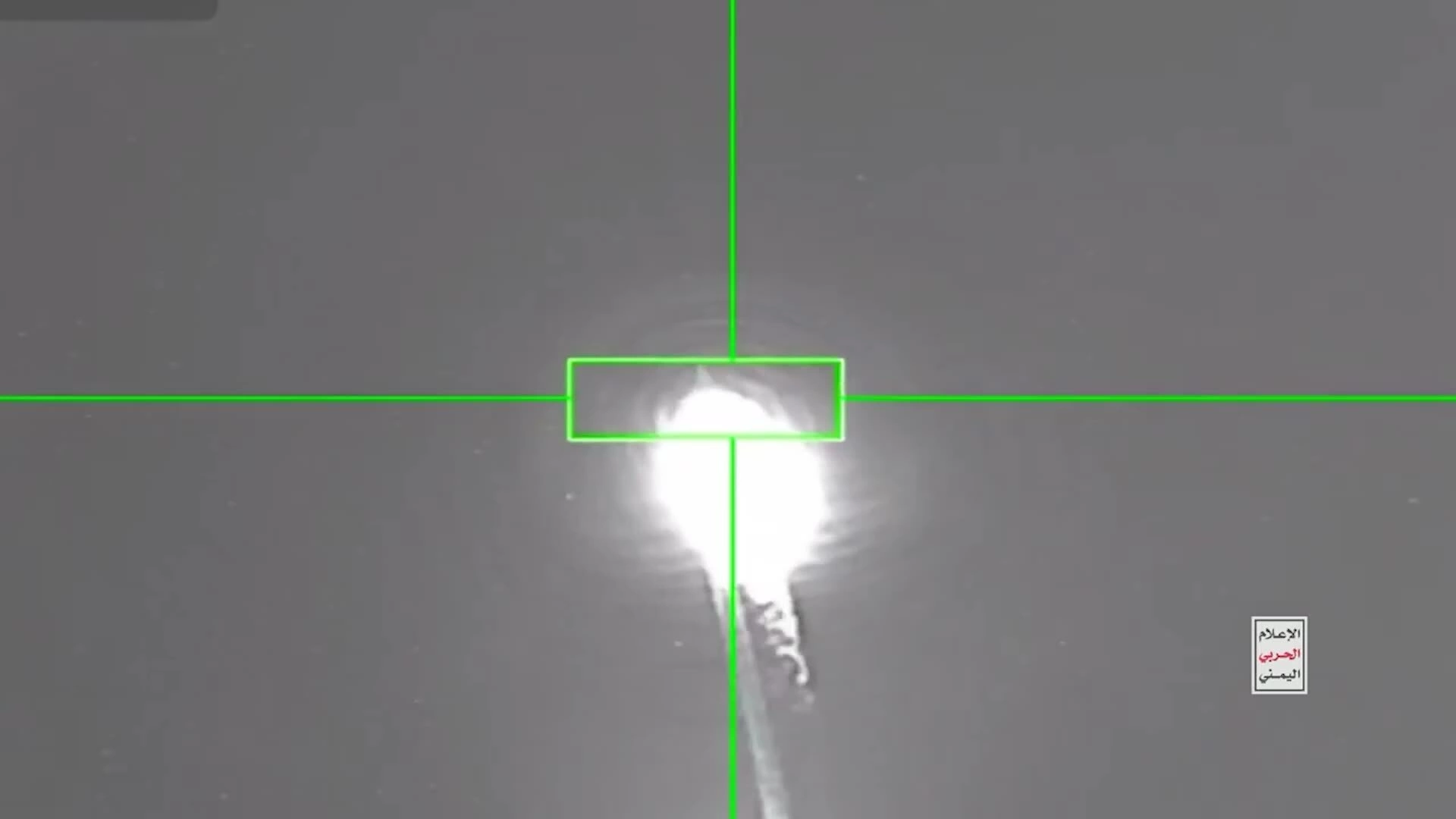
On September 16, Houthi forces operating in Yemen released combat footage claiming the successful engagement and downing of a Royal Saudi Air Force (RSAF) F-15SA Eagle. The incident, which reportedly occurred over the Marib province, has reignited discussions regarding the evolving anti-access/area-denial (A2/AD) capabilities of non-state actors in the Middle East. While the specific munitions utilized remain the subject of intense technical analysis, the event marks a significant escalation in the ongoing conflict, demonstrating that advanced Western-made fighter jets are increasingly vulnerable to modified, asymmetric air defense systems.
Chronology of the Engagement
According to the footage provided by Houthi-affiliated media outlets, the engagement began well before the launch of the surface-to-air missile. The video depicts the RSAF F-15SA being tracked by an electro-optical/infrared (EO/IR) sensor system. This method of target acquisition is distinct from traditional radar-based tracking, which emits radio frequency signals that would have likely triggered the aircraft’s internal Radar Warning Receiver (RWR).
Analysts observing the footage note that the tracking interface differs from previous systems, such as the Ultra-8500 sensor suite, which had been identified in Houthi inventories since 2008. The visual fidelity and interface characteristics align more closely with the "Sadid" system—an Iranian-developed, multi-sensor platform integrating high-resolution optics, thermal imaging, and laser rangefinding.
The engagement unfolded over approximately 24 seconds from the point of launch to the moment of detonation. Calculations based on the missile’s flight time and terminal velocity—estimated between 650 and 850 meters per second—suggest that the projectile traveled a distance of 15 to 20 kilometers before intercepting the target.
Technical Analysis: The Weaponry in Question
The identity of the missile remains the most critical aspect of the investigation. Military analysts from Army Recognition and various defense observers have ruled out short-range, man-portable air-defense systems (MANPADS) such as the Russian-made Igla or Strela, as well as short-range air-to-air derivatives like the R-60 or the Houthi-modified Majid and Thaqib-1, due to their limited effective range.
The prevailing hypothesis among defense experts is that the Houthi forces utilized a more sophisticated, medium-range system. Candidates include:
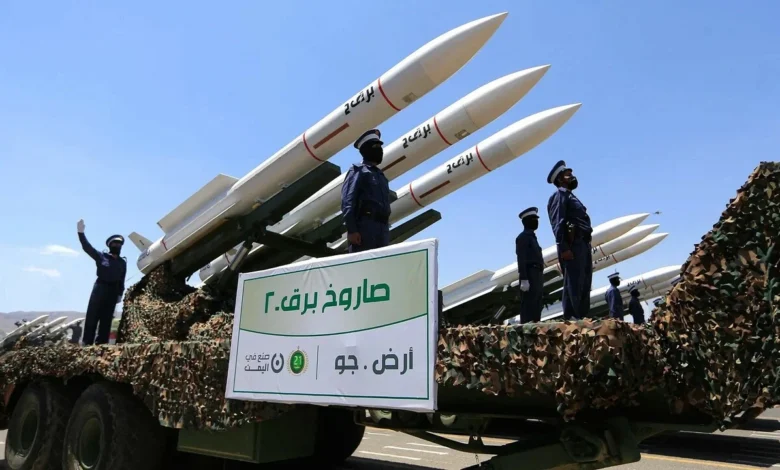
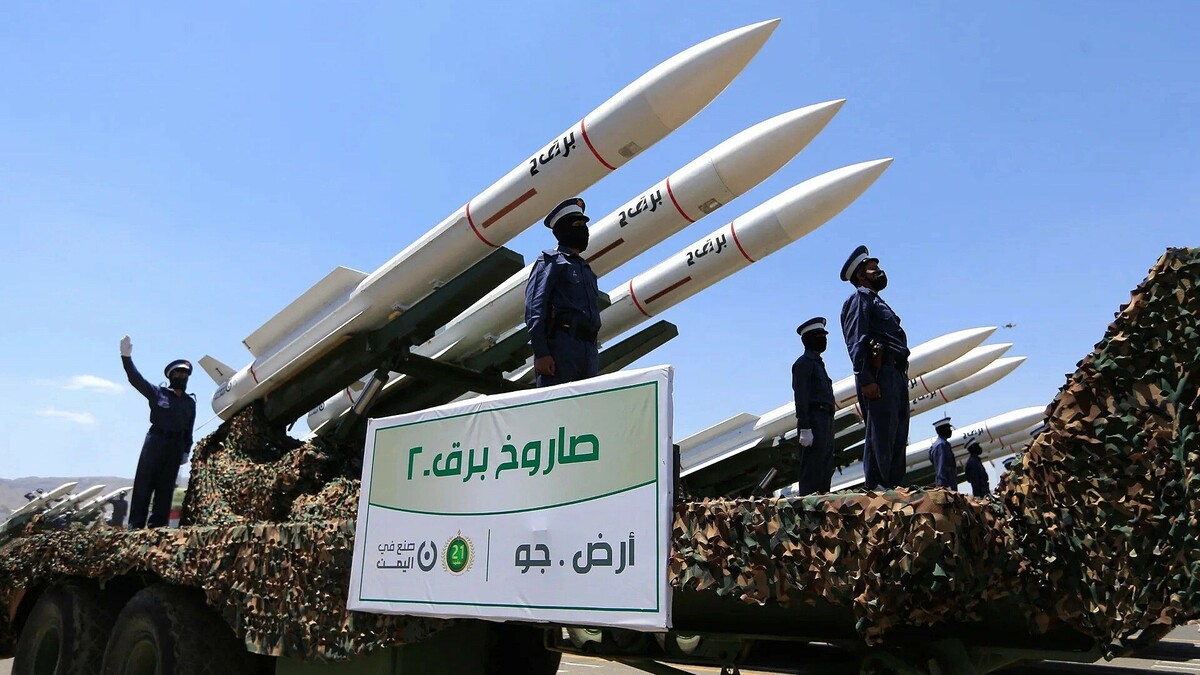
- Barq-1 and Barq-2: These systems are largely derived from Iranian "Taer" technology. Initially radar-guided, these missiles have seen variants incorporating electro-optical seekers, providing an effective engagement envelope of 50 to 70 kilometers and an altitude ceiling of 15 to 20 kilometers.
- Thaqib-2: This system represents a significant engineering effort by Houthi technical units to repurpose R-27T medium-range, infrared-homing air-to-air missiles into ground-based interceptors. While the range is estimated at 12 to 20 kilometers, the audio signatures in the released footage suggest a motor profile significantly more robust than a standard R-27T, implying further modifications.
- The "358" Missile: Also known as a "loitering interceptor," this Iranian-designed weapon is capable of patrolling a designated airspace to hunt for targets using an infrared seeker. With a reported range of 100 to 150 kilometers, it represents a unique threat to coalition air superiority.
The Role of Electronic Warfare and Countermeasures
The engagement also sheds light on the defensive tactics employed by the Saudi pilot and the limitations of modern aircraft self-protection suites. As the F-15SA maneuvered to evade the incoming missile, the aircraft released countermeasures, likely chaff (radar-reflecting material) and flares (heat-generating decoys).
The use of chaff is a standard procedure against radar-guided threats. Chaff consists of millions of microscopic aluminum or metallized glass fibers cut to lengths corresponding to the radar frequencies of the incoming threat. When deployed, these fibers create a "cloud" with a larger radar cross-section than the aircraft itself, often causing a radar-guided missile to lose lock on the primary target.
However, the effectiveness of these countermeasures is highly dependent on frequency matching. Dr. Thomas Withington, an expert in electronic warfare, notes that countermeasures are not a universal panacea. "If the intercepting radar operates at 8.5GHz, the chaff must be cut to 8.81–17.63 mm lengths," Withington explained. "If the threat shifts to millimeter-wave radar, the effectiveness of traditional chaff drops significantly."
Furthermore, the pilot’s decision to engage the afterburners while attempting to evade the missile created a tactical paradox. While increasing speed is generally beneficial, it also produces a significantly larger infrared signature, which may have inadvertently made the aircraft a more attractive target for an infrared-homing seeker.
Broader Implications for Air Superiority
The successful downing of an F-15SA, one of the most advanced iterations of the McDonnell Douglas F-15 Eagle currently in service, serves as a sobering reminder of the changing nature of aerial warfare. The Saudi F-15SA is equipped with advanced Active Electronically Scanned Array (AESA) radar and a comprehensive Defensive Systems Suite (DEWS). The fact that it was caught in an engagement suggests that the Houthi forces are successfully employing "passive" tracking methods that bypass traditional electronic warning systems.
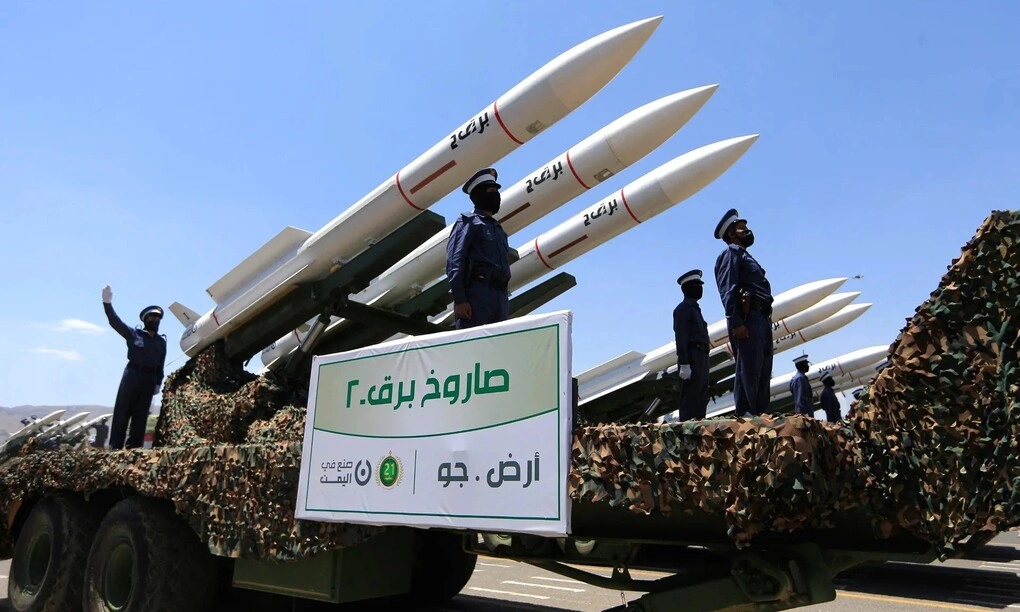
This event underscores a global shift: non-state actors are no longer reliant on outdated, surplus hardware. The integration of Iranian-supplied components, coupled with indigenous modification programs, has allowed Houthi forces to create an "A2/AD" bubble that challenges the traditional air superiority enjoyed by coalition forces.
From a strategic perspective, the incident highlights several key vulnerabilities:
- Sensor Asymmetry: The ability to track high-performance aircraft using passive EO/IR sensors makes the "low-observable" or "high-tech" radar advantage of modern jets less decisive in certain engagement scenarios.
- The "Loitering" Threat: The potential use of systems like the 358 missile, which can loiter in an area and wait for a target, changes the tactical calculus for air patrols. Aircraft are no longer just fighting against a static missile battery; they are fighting against a persistent, autonomous hunter.
- Countermeasure Evolution: The failure of the F-15SA’s countermeasures to protect against this specific threat suggests that existing electronic warfare suites may require urgent updates to counter the specific modulation and tracking techniques used by these hybrid, repurposed missile systems.
Conclusion and Future Outlook
The conflict in Yemen has long served as a testing ground for various weapon systems, from Iranian-supplied drones to sophisticated missile technology. The September 16 incident is likely to trigger a thorough review of coalition air tactics and defensive equipment. Saudi Arabia, which has relied heavily on its F-15 fleet to maintain air dominance, must now contend with a theater of operations where the cost-exchange ratio is shifting in favor of the attacker.
While the Houthi forces continue to frame these events as tactical victories in a wider propaganda campaign, the underlying reality is a rapid advancement in the lethality of regional non-state actors. As these groups refine their ability to integrate, maintain, and deploy complex air defense systems, the margin for error for coalition pilots continues to shrink. Moving forward, the focus for regional air forces will likely shift toward more sophisticated electronic counter-countermeasures (ECCM) and the development of tactics that account for the persistent, passive tracking capabilities now present on the battlefield.