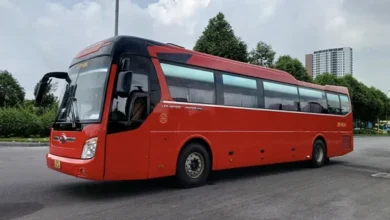
Cục Cảnh sát giao thông triển khai đợt cao điểm kiểm soát trật tự an toàn giao thông trên địa bàn tỉnh Đồng Nai

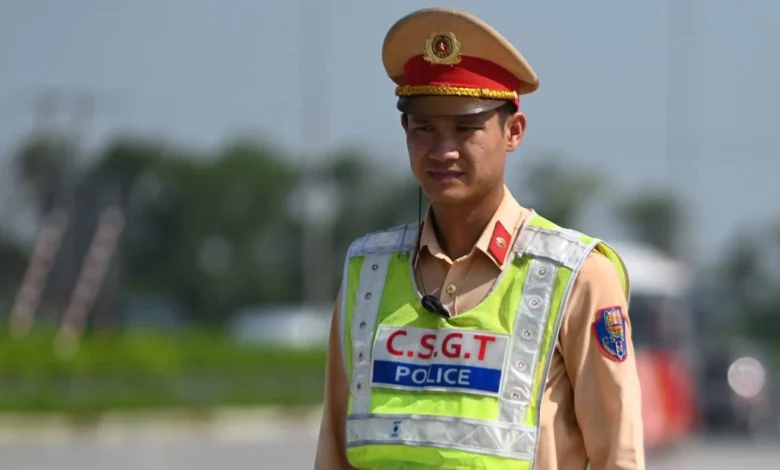
The Department of Traffic Police (Cục Cảnh sát giao thông – C08) has officially announced a comprehensive, month-long enforcement campaign targeting major transit routes within Dong Nai province. This initiative, which began on September 15 and is scheduled to conclude on October 14, comes as a direct response to a concerning surge in traffic accidents and fatalities in the region. By deploying two specialized task forces in close coordination with the Dong Nai Provincial Police, the department aims to curb reckless driving, enforce regulatory compliance, and significantly reduce the frequency of high-impact traffic incidents on National Highways 1A and 20.
The Strategic Shift in Enforcement
The decision to escalate enforcement in Dong Nai is rooted in an objective analysis of recent safety statistics. For the first eight months of the year, the province recorded 641 traffic accidents, resulting in 432 deaths and 306 injuries. These figures represent a marked increase compared to the same period in the previous year—specifically 56 additional accidents, 2 more fatalities, and 78 more injuries.
Under the new directive, the C08 task forces will focus their attention on high-risk categories of vehicles: inter-provincial passenger buses, heavy-duty cargo trucks, tractor-trailers, and motorcycles. The strategy involves a sophisticated blend of overt patrolling and covert surveillance. By integrating advanced technology, such as high-definition traffic monitoring cameras and specialized technical equipment, authorities aim to capture violations that are often difficult to detect during standard stop-and-search operations.
Focus Areas and Targeted Violations
National Highways 1A and 20 have been designated as the primary corridors for this operation due to their high traffic volume and historical accident data. The enforcement effort will be rigorous, focusing on a broad spectrum of traffic violations that contribute to accidents:
- Substance Abuse: A zero-tolerance approach to driving under the influence of alcohol or narcotics.
- Operational Compliance: Strict inspection of transport licenses, vehicle weight limits, and passenger capacity.
- Driving Behavior: Targeted monitoring for unauthorized lane changes, failure to adhere to signal lights, driving against the flow of traffic, and the use of mobile devices while operating a vehicle.
- Vehicle Safety: Verification of mandatory vehicle monitoring systems (dashcams and tracking devices) for commercial fleets.
The enforcement teams are not limited to roadside stops. They will also analyze data from vehicle monitoring systems and act upon photographic evidence submitted by the public or gathered through remote monitoring to identify and penalize offenders who may have bypassed immediate police presence.
Contextualizing the Crisis
The spike in traffic accidents in Dong Nai has drawn national attention. Following a particularly tragic series of accidents in early September, Prime Minister Pham Minh Chinh issued an urgent directive on September 8. The instruction mandated that the Ministry of Public Security coordinate with local authorities to intensify patrols and implement more stringent measures to prevent violations, particularly those involving excessive passenger loads and reckless behavior among motorcycle riders.
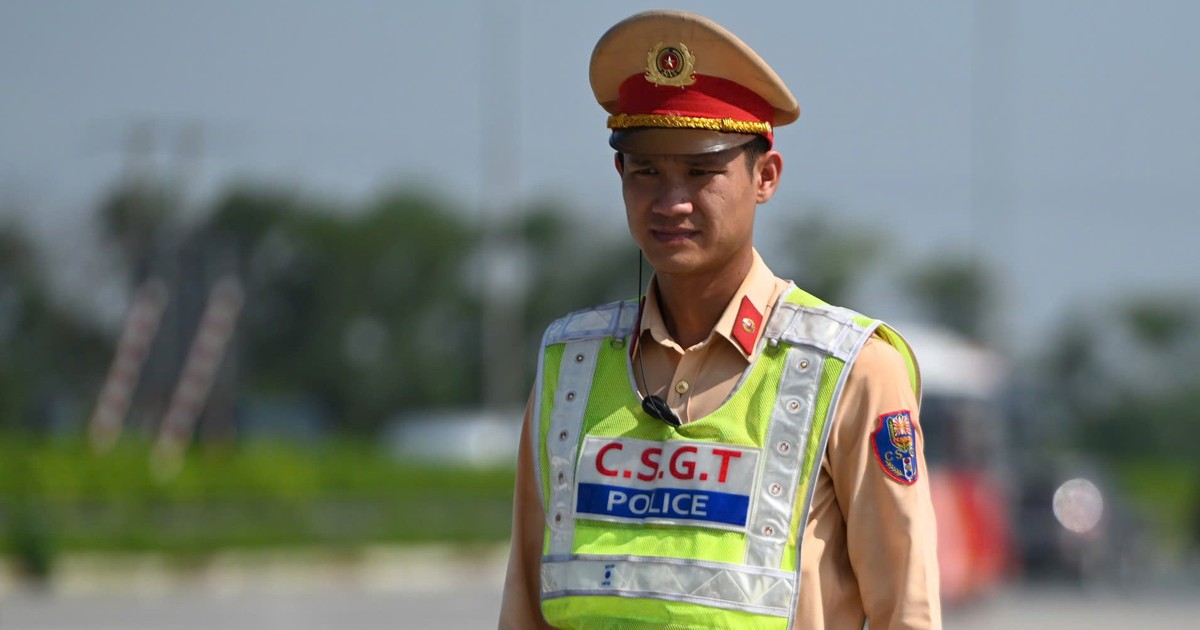
The current C08 intervention is a direct execution of these central government priorities. By concentrating resources on the most problematic segments of the regional road network, the authorities hope to stabilize the situation before the end of the year, a period traditionally associated with increased travel and higher accident risks.
The Role of Infrastructure and Systemic Analysis
While the immediate focus is on behavioral enforcement, the Department of Traffic Police has acknowledged that the solution to Dong Nai’s traffic safety crisis must be multi-faceted. As part of the current campaign, C08 leadership has committed to conducting a comprehensive audit of road infrastructure. This includes identifying "black spots"—segments of the road where accidents occur with high frequency due to design flaws, poor visibility, or inadequate signage.
Once these areas are identified, the department will draft formal recommendations for the relevant transport and urban planning authorities, urging them to implement physical improvements to the road network. This proactive approach underscores the transition from purely punitive measures to a holistic safety strategy.
Implications and Public Safety Outlook
The mobilization of these two specialized task forces serves as a critical warning to transport operators and individual drivers alike. The use of both public and plainclothes officers, coupled with advanced surveillance, is designed to create a "constant presence" effect, where the potential for detection is significantly higher than in standard patrol scenarios.
Industry analysts suggest that this campaign could have lasting implications for the logistics and passenger transport sectors in Southern Vietnam. Companies operating fleets through Dong Nai are being urged to conduct internal safety briefings and ensure that all vehicles are in full compliance with traffic laws to avoid heavy fines and potential suspension of operations.
For the general public, the campaign is a necessary step toward restoring order on highways that have become increasingly hazardous. As the operation enters its peak phase, the Department of Traffic Police has indicated that they will evaluate the results immediately upon the conclusion of the campaign on October 14. This assessment will determine the viability of scaling the model to other provinces experiencing similar traffic safety challenges.
A Data-Driven Future
The success of this operation will be measured not just by the number of tickets issued, but by a tangible decrease in accident statistics. Authorities have emphasized that the ultimate goal is to foster a culture of compliance. By maintaining a data-driven approach—where enforcement is guided by real-time analytics and evidence—the Ministry of Public Security hopes to demonstrate that a disciplined, technology-integrated police presence is the most effective deterrent against the rising tide of traffic violence.
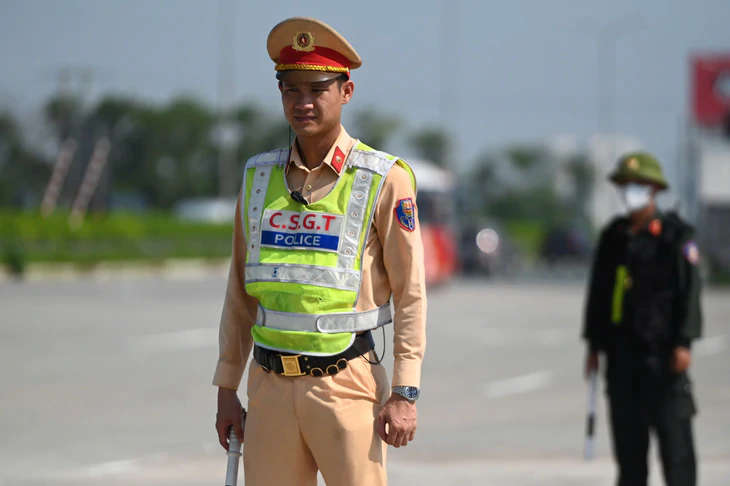
As Dong Nai navigates this period of heightened scrutiny, the collaboration between central and provincial forces will be the benchmark for future road safety interventions in Vietnam. The next few weeks will be crucial in determining whether this targeted pressure can effectively break the cycle of accidents that has plagued the region for much of the year.
The Human Cost and the Path Forward
Behind the statistics lie hundreds of families affected by the loss of loved ones or the burden of life-altering injuries. The 432 lives lost in the first eight months of the year in Dong Nai are not merely numbers; they represent a significant failure in the current safety paradigm. By prioritizing the most dangerous driving behaviors—such as drug-impaired driving and systemic overloading of commercial vehicles—the authorities are attempting to address the root causes of these tragedies.
The public, for its part, is encouraged to cooperate with the authorities. Traffic safety is a shared responsibility, and the cooperation of motorists is essential to the success of this initiative. With the increased focus on National Highways 1A and 20, travelers are advised to exercise heightened caution, respect speed limits, and prioritize safety over efficiency.
In the long term, the lessons learned from this operation will likely influence national traffic policies. The integration of undercover patrols, digital monitoring, and systemic infrastructure review represents a modern, robust framework for traffic management. If this campaign achieves its objectives, it may well serve as a blueprint for other provinces to follow, ensuring that the roads of Vietnam become safer for all users.
The Department of Traffic Police remains firm in its commitment to this mission. As the enforcement teams move into their positions along the highways, their message to the public is clear: the rules are not suggestions, and the safety of the community is paramount. The month of surveillance ahead is more than a routine check; it is an essential intervention to protect lives on one of the country’s most vital transportation arteries.