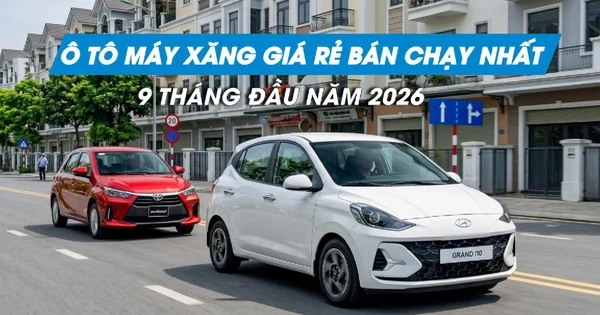
The automotive landscape in Vietnam has undergone a notable shift throughout the first three quarters of 2026, characterized by a cooling market and a substantial decline in sales volumes for budget-friendly, gasoline-powered passenger vehicles. According to comprehensive data provided by the Vietnam Automobile Manufacturers’ Association (VAMA) and Hyundai Thanh Cong Vietnam, the total sales for this segment reached 2,162 units from January to September 2026. This figure represents a stark 47.7% decline compared to the same period in 2025, underscoring a challenging economic climate and evolving consumer preferences that have hampered growth in the small-car sector.
A Stagnant Segment in a Shifting Economic Landscape
The decline in the entry-level segment is not an isolated phenomenon but rather a reflection of broader macroeconomic headwinds affecting the Vietnamese automotive market. Throughout 2026, rising living costs and a cautious approach from consumers regarding high-ticket purchases have significantly dampened enthusiasm for new car ownership. While September 2026 showed signs of a marginal recovery in retail sales for gasoline-powered small cars, the cumulative data for the nine-month period remains sobering.
Industry analysts suggest that several factors have contributed to this downturn. The primary driver is the increased competition from the burgeoning electric vehicle (EV) market. As charging infrastructure expands and the price gap between entry-level gasoline cars and compact electric vehicles narrows, a significant portion of the target demographic—typically first-time buyers and ride-sharing service operators—is migrating toward more sustainable or cost-effective alternatives.
Performance Breakdown: Hyundai Grand i10 Maintains Lead
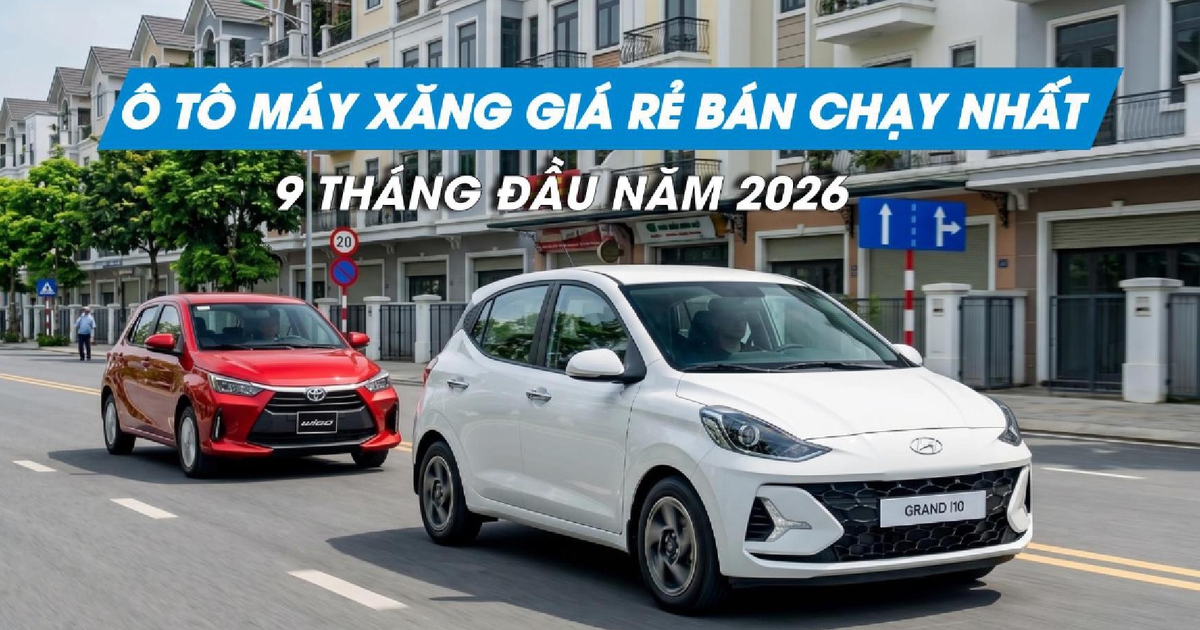
Despite the overall market contraction, the Hyundai Grand i10 continues to assert its dominance within the A-segment, effectively maintaining its position as the preferred choice for budget-conscious consumers. Over the first nine months of 2026, the Grand i10 recorded 1,637 units sold, accounting for approximately 75.7% of the total reported sales in the segment.
This commanding lead is underscored by a significant margin over its primary competitor, the Toyota Wigo. With a total sales volume of 525 units, the Toyota Wigo has struggled to gain traction, trailing the Grand i10 by 1,112 units. This disparity highlights the strong brand loyalty and the well-established service network that Hyundai has successfully cultivated in the Vietnamese market.
A closer look at the monthly performance data reveals interesting trends. In September 2026, the Hyundai Grand i10 saw a retail uptick, moving 165 units, an increase of 74 units compared to August. It remains the only model in this specific category to report a month-over-month increase in sales, suggesting that targeted promotional campaigns or localized inventory management may be yielding results. Conversely, the Toyota Wigo experienced a decline, selling only 52 units in September, which represents a decrease of 24 units from the previous month. This divergence suggests that while the segment as a whole is under pressure, individual brand performance is heavily dependent on specific marketing and availability strategies.
The Absent Data: The KIA Morning Conundrum
A notable omission in the broader market analysis is the detailed performance of the KIA Morning. Although the model remains a visible presence in the A-segment, THACO AUTO has not consistently disclosed full sales figures for this specific model in its public reports. This lack of transparency makes it difficult to ascertain the exact market share and competitive standing of the KIA Morning relative to the Grand i10 and the Wigo.
The absence of this data complicates the picture for industry observers and stakeholders. Without a complete dataset, market analysts must rely on estimates and regional observations, which may not fully capture the competitive dynamics of the entry-level segment. It is widely speculated that the brand’s focus may have shifted toward other high-growth segments, such as SUVs and CUVs, where margins are generally higher, thereby leaving the A-segment to face these challenges with less active promotional support.
Chronology of Market Challenges in 2026
The trajectory of the 2026 market can be segmented into three distinct phases:
- Q1 2026 (The Initial Slump): The year began with a significant inventory overhang from the end of 2025. Consumers were hesitant, and the typical post-Tet (Lunar New Year) sales surge failed to materialize, setting a cautious tone for the remainder of the year.
- Q2 2026 (The Competitive Squeeze): As various manufacturers introduced mid-year incentives, the battle for the budget-conscious consumer intensified. The introduction of new entry-level electric models and aggressive pricing on used vehicle platforms further eroded the market share of traditional gasoline-powered cars.
- Q3 2026 (Stabilization Efforts): By the third quarter, the market reached a point of stabilization. Manufacturers began adjusting production quotas to match the lower demand, leading to a slight improvement in inventory turnover rates, particularly for market leaders like the Grand i10.
Broader Implications and Future Outlook
The 47.7% decline in sales for gasoline-powered budget cars carries significant implications for the Vietnamese automotive industry. Firstly, it signals a structural shift. The entry-level segment, which was once the bedrock of the market for first-time buyers, is being redefined. Consumers are no longer solely focused on the lowest purchase price; they are increasingly evaluating total cost of ownership, which includes fuel efficiency, maintenance, and the long-term resale value of the vehicle.
Furthermore, the rise of electric mobility is no longer a peripheral trend but a central force in the market. As the cost of battery technology continues to decrease, it is expected that small, affordable EVs will eventually replace many of these internal combustion engine (ICE) models in the coming years. For manufacturers like Hyundai and Toyota, the challenge will be to determine how much longer they should invest in the development and marketing of ICE vehicles in the A-segment versus accelerating their transition toward electrification.
From an economic perspective, the slowdown in this segment may have a cascading effect on the wider automotive supply chain. With lower production volumes, component suppliers may face reduced orders, potentially impacting employment and investment in local manufacturing facilities. However, it also presents an opportunity for innovation. Brands that can successfully integrate advanced features—such as enhanced connectivity or safety systems—into their entry-level offerings may find a way to revitalize interest in the segment despite the macroeconomic challenges.
Expert Perspectives on Market Resilience
While the data presents a challenging picture, industry experts remain cautiously optimistic. The core of the A-segment consists of consumers who require practical, reliable transportation for daily commuting and small business operations. This need will not disappear. The current downturn is likely a temporary adjustment phase as the market re-calibrates to new price points and product alternatives.
"The A-segment in Vietnam has always been sensitive to price," notes an industry analyst familiar with the Southeast Asian market. "However, the definition of ‘value’ has evolved. A car that is cheap to buy but expensive to run or outdated in terms of safety and comfort is losing its appeal. The winners in the coming year will be those who can provide a balanced value proposition that addresses the modern consumer’s desire for efficiency and reliability."
Conclusion
The first nine months of 2026 have been a period of significant recalibration for the entry-level gasoline passenger vehicle market in Vietnam. With a 47.7% drop in cumulative sales, the industry is clearly navigating a difficult transition. The continued dominance of the Hyundai Grand i10 demonstrates that there is still a clear preference for proven, reliable models, even in a shrinking market. As the year draws to a close, the focus for manufacturers will undoubtedly remain on inventory management and strategic pricing to navigate the remainder of a volatile 2026, while simultaneously preparing for a market that is increasingly looking toward the next generation of affordable, energy-efficient mobility solutions.
Related posts: