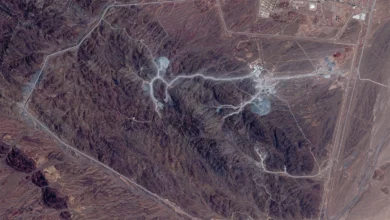
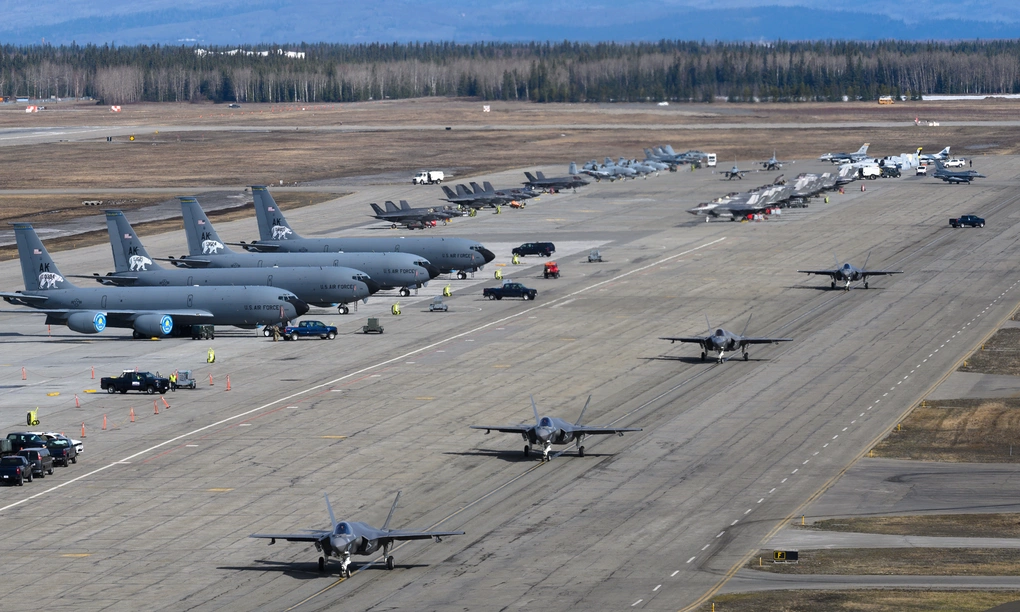
The United States Department of Defense, under the leadership of Defense Secretary Pete Hegseth, has unveiled a comprehensive strategic initiative designed to ensure the operational continuity of American military installations during catastrophic, multi-front conflicts. Officially titled the Federal Operations for Resilience, Threat-hardened, Unified, and Sustainable Survival, or FORTRESS, the program represents a fundamental shift in how the Pentagon views domestic infrastructure security. The initiative aims to guarantee that critical U.S. military bases can sustain essential operations for at least 90 days, even in the event of widespread grid failure, compromised supply chains, or direct attacks on the U.S. homeland.
This ambitious program arrives at a time of heightened global volatility. Military planners have identified a growing risk that future near-peer conflicts will not be confined to overseas theaters but will likely spill over into the U.S. interior, threatening the vital energy, water, and communication networks that underpin national defense.
The Genesis of FORTRESS: Lessons from the Frontlines
The conceptual framework for FORTRESS was largely informed by the ongoing conflict in Ukraine. Reports published by the Center for Strategic and International Studies (CSIS) in October 2025 highlighted the extreme vulnerability of modern military operations to the systemic failure of civilian energy infrastructure. In the Ukrainian theater, Russian long-range precision strikes on energy hubs frequently forced military commanders to operate without reliable access to the civilian grid, complicating logistics, command and control, and even basic base maintenance.

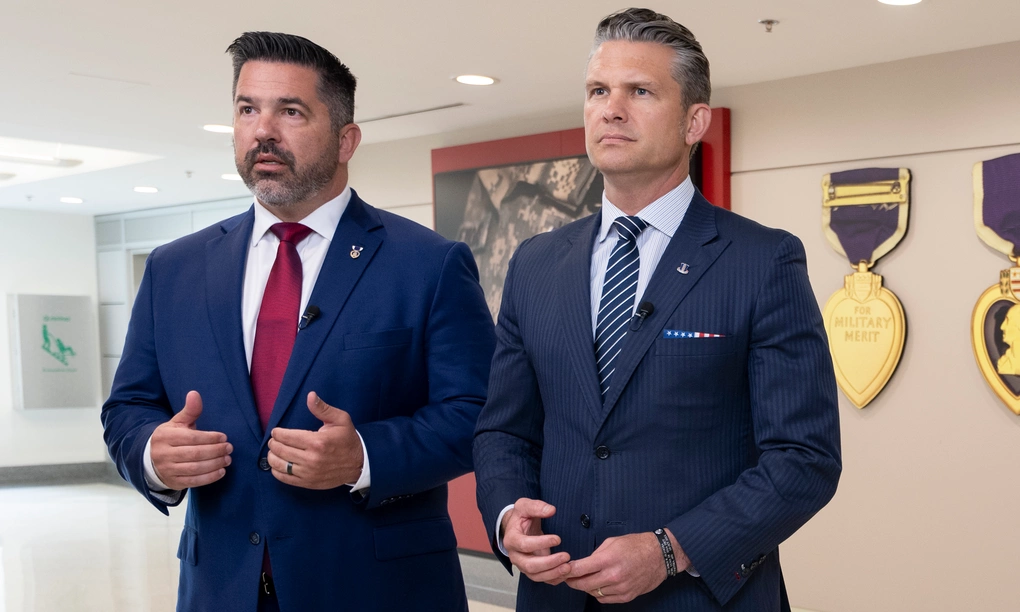
"We cannot continue to rely on standard civilian infrastructure to power our national defense," said Sean Parnell, a spokesperson for the Department of Defense who has been instrumental in spearheading the initiative. "The dependency on public networks creates a single point of failure that our adversaries have clearly identified. It is an unacceptable risk to our strategic readiness."
For the U.S. military, the reliance on civilian power grids is a significant bottleneck. From communication relays and logistics hubs to the manufacturing plants responsible for defense production, almost every facet of the military industrial base is tethered to public energy. Without an independent, hardened, and sustainable energy supply, the American military risks being paralyzed by the same tactics that have been used to destabilize power grids in Eastern Europe.
Core Pillars of the FORTRESS Initiative
The FORTRESS initiative is built on three primary pillars: decentralization of energy, fortification of supply chains, and the rapid transition of domestic manufacturing.
The Department of Defense plans to integrate modular nuclear reactors, large-scale battery storage facilities, and micro-grid technology into existing military installations. By disconnecting critical facilities from the national civilian grid, bases can effectively "island" themselves during a crisis. This autonomy ensures that command centers, weapon manufacturing lines, and satellite uplink facilities remain operational regardless of the state of the surrounding civilian infrastructure.
Furthermore, the initiative mandates the creation of regional strategic stockpiles. These repositories are designed to hold critical components—ranging from electronics and semiconductors to spare parts and medical supplies—that would otherwise be unavailable if international trade routes are severed by conflict.
The Return to Industrial Mobilization
Perhaps the most significant aspect of the FORTRESS program is its focus on domestic production capabilities. Drawing inspiration from the American industrial mobilization during World War II, the Pentagon is working to identify commercial manufacturers capable of pivoting their production lines to defense requirements during a national emergency.
"We are essentially creating a blueprint for national survival," an anonymous Pentagon official noted. "The goal is to ensure that if a plant in Michigan is currently producing civilian automotive parts, it has the pre-approved technical specifications and supply lines to shift to producing tank transmissions or aircraft components within 72 hours of a mobilization order."
This initiative, dubbed the Civil-Military Reserve Manufacturing Network, aims to reduce the lead time for weapon production by maintaining "warm" production lines and pre-negotiated contracts with private sector partners.

Strategic Implications and Criticisms
The scope of the FORTRESS initiative has drawn both praise and skepticism from the defense community. Supporters argue that the move is long overdue, citing the outdated "two-ocean protection" doctrine that has historically allowed the United States to feel immune to direct conventional threats. Modern warfare, characterized by cyber-attacks, long-range drone strikes, and the potential for satellite disruption, has rendered the traditional concept of a "safe" homeland obsolete.
However, critics, including analysts at the CSIS, have labeled the project "exceedingly ambitious." The sheer scale of retrofitting hundreds of military bases with independent power systems and the logistical challenge of managing nationwide industrial reserves pose significant budgetary and administrative hurdles.
"The financial cost of this program is yet to be fully calculated," said a senior defense researcher in Washington. "While the strategic intent is sound, the implementation requires a level of bureaucratic efficiency that the Pentagon has struggled with for decades. Furthermore, the reliance on advanced, modular energy systems means we are essentially attempting to reinvent the nation’s energy architecture under the pressures of a potential conflict."
A Timeline for Implementation
While the Department of Defense has not provided a fixed completion date, sources indicate that the program is being rolled out in phases. Initial projects, focusing on high-priority bases and communication nodes, are already underway. The transition to fully autonomous, hardened facilities is expected to take several years, if not a decade, to achieve full operational capability.
The initiative also addresses the increasing threat of electronic warfare. As GPS signals and satellite communications become frequent targets for jamming or physical destruction, FORTRESS includes specific directives to harden communication links and develop redundant, non-satellite-based navigation and command systems.
Conclusion: A Shift in Defense Philosophy
The implementation of the FORTRESS initiative signifies a profound evolution in U.S. defense policy. By acknowledging the fragility of modern globalized supply chains and the vulnerability of the civilian grid, the United States is taking a proactive stance toward the reality of total war.
"The era of relying on secure, stable international supply chains to keep our military running is fading," Parnell concluded. "The world is becoming more fragmented and more dangerous. By preparing for the worst-case scenario—a complete disruption of global trade and domestic power—we are actually ensuring that such a scenario becomes less likely to succeed. Deterrence is not just about the weapons we have; it is about the resilience of the nation that fields them."
As the Pentagon continues to refine the FORTRESS protocols, the focus will likely remain on integrating these hardening measures with private sector cooperation. The ultimate success of the program will depend not only on the technological advancements in energy and manufacturing but on the willingness of the American public and the private sector to prioritize long-term national security over the efficiencies of globalized, just-in-time production. In a future defined by uncertainty, the ability to "re-start" the national machine in 90 days may well be the defining factor in determining the outcome of the next great power conflict.
Related posts: