New York City Buzzes with Anticipation as Argentina and Spain Prepare for World Cup Final Showdown


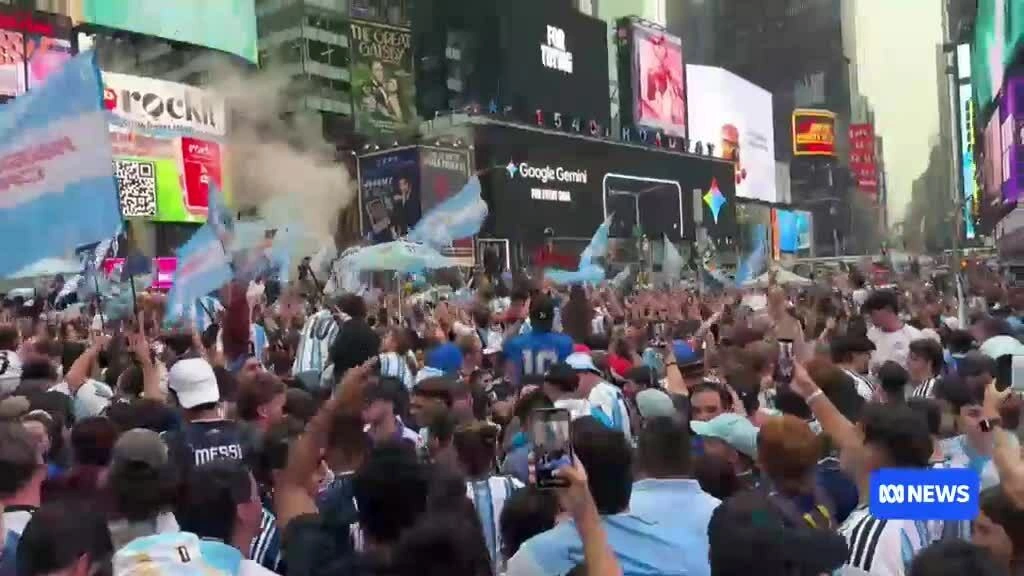
New York, NY – July 19, 2026, 11:04 PM EST (GMT-4) – The iconic cityscape of New York is abuzz with an electric atmosphere as throngs of Argentinian and Spanish football enthusiasts converge on its world-renowned landmarks, all in anticipation of the monumental World Cup 2026 final. Times Square, typically a vibrant hub for tourists, has transformed into a sea of passionate fans, many adorned in the iconic colors of their respective nations, posing for photographs alongside beloved characters like Mickey Mouse and Elmo, their cheers and chants echoing through the bustling metropolis.
The final match, scheduled for July 19th at 2:00 AM EST on July 20th (New York time), has drawn unprecedented attention, with the city serving as the epicenter of global football fervor. Among the sea of supporters, one figure has captured particular attention: a look-alike of Argentinian football legend Lionel Messi, who has become an instant celebrity, mobbed by fellow fans eager to capture a moment with the doppelgänger. This widespread dedication underscores the profound emotional investment fans have in their teams, particularly on the grandest stage of international football.
A Global Spectacle Descends on New York
The presence of such a massive international contingent underscores New York’s enduring appeal as a global focal point for major sporting events. While the city is accustomed to hosting large-scale gatherings, the World Cup final represents a unique convergence of sporting passion, cultural exchange, and national pride. The streets are alive with a kaleidoscope of flags, anthems, and the infectious energy of supporters who have traveled from across the globe to witness this historic clash.
The fervor has been building throughout the tournament, with Times Square and other prominent locations in Manhattan becoming unofficial gathering points for fans throughout the World Cup. These pre-match celebrations, often referred to as "banderazos" – gatherings characterized by national flags and fervent support – have become a hallmark of the tournament, amplifying the competitive spirit and creating a vibrant, albeit sometimes chaotic, atmosphere.
Argentinian Fanaticism Takes Center Stage
Argentinian fans have demonstrated an extraordinary level of commitment, with thousands participating in impromptu "banderazos" across the city. These vibrant displays of support involve chanting, singing, and parading with national flags, creating a powerful visual and auditory spectacle. The sheer scale of these gatherings reflects the deep-seated passion for football within Argentina, a nation where the sport is more than just a game; it is an integral part of the national identity.
One particularly striking element of the Argentinian fan presence is the emergence of a Messi look-alike. This individual has become an unexpected focal point, drawing crowds for photos and adding a touch of novelty to the already electric atmosphere. For many, this impersonator serves as a potent symbol of their team’s hopes and dreams, embodying the spirit of their idol and the collective aspiration for victory.
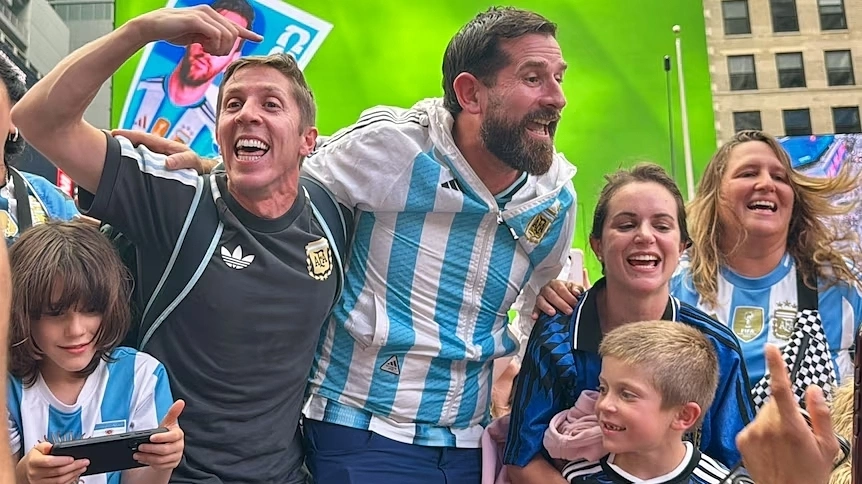
Nazarena, who hails from Buenos Aires but now resides in Atlanta, Georgia, exemplifies the lengths to which fans will go. "This is my pilgrimage," she stated, her voice hoarse from cheering. "I live in the US now, but I had to be here. Feel this energy, light this city on fire, let the world know we are here!" Her sentiment echoes that of many who have made significant journeys, underscoring the personal sacrifices undertaken to be a part of this momentous occasion.
Beyond the iconic landmarks, fan gatherings have sprung up in numerous venues across the city. From sports bars in Greenwich Village to community centers in Queens, Argentinian supporters have created their own pockets of passionate celebration. The sheer volume of fans has transformed ordinary spaces into extensions of the stadium itself, pulsating with the collective heartbeat of a nation united by a shared sporting dream.
Spanish Supporters Mobilize in Manhattan
Simultaneously, Spanish fans have also orchestrated a significant presence in New York, demonstrating their own fervent dedication. Their activities have been concentrated in various locations across Manhattan, reflecting a strategic effort to maximize visibility and create a unified front of support.
La Nacional, a historic Spanish social club in Manhattan, has emerged as a crucial focal point for Spanish supporters throughout the World Cup. Established in 1868, this institution stands as the oldest Spanish cultural institution in the United States and has consistently provided a vibrant gathering space for Spaniards and their allies. Its walls have witnessed countless matches, and it has become a symbolic home away from home for those cheering on La Roja.
Ania Lopez, the manager of La Nacional, spoke about the club’s role: "The Spanish community lives football with an unparalleled passion. Throughout this World Cup, this place has been the go-to spot for our fans in New York. We’ve received an overwhelming number of emails and inquiries, and we are thrilled to be a part of this historic moment. We feel it’s our duty to be a part of this spectacle." The club anticipates hosting hundreds of fans for the final and is prepared for even larger numbers should Spain emerge victorious.
The Spanish fans’ approach, while perhaps less ostentatious in some public spaces than their Argentinian counterparts, is characterized by a deep-seated sense of national pride and a sophisticated understanding of football culture. Their gatherings are often marked by organized chants, traditional Spanish songs, and a palpable sense of camaraderie.
Emilio, a Spanish fan, expressed his confidence: "I know Argentinian fans are loud and travel everywhere. But the Spanish spirit, we don’t need to be the loudest to be passionate. We have a quiet intensity. I believe we can match the energy of the Argentinian fans, and I’m confident we will prevail." This sentiment highlights a perceived strategic advantage, suggesting that while numbers may fluctuate, the fervor of Spanish support remains unwavering.
A Glimpse into the Global Fanaticism
The sheer dedication of fans travelling to New York for the World Cup final is a testament to the sport’s global reach and its profound impact on individuals and communities. Many supporters have expressed that their journey to New York is a once-in-a-lifetime experience, fueled by an unyielding belief in their team’s potential.
The economic impact of this influx of fans is also significant. Hotels across the five boroughs have reported near-full occupancy, and local businesses, from restaurants and bars to souvenir shops, are experiencing a substantial boost in revenue. The city’s infrastructure, while accustomed to large crowds, has been further tested by the sheer volume of international visitors, highlighting New York’s capacity to host and manage large-scale global events.
High-Profile Attendees and Diplomatic Undertones
The World Cup final is not only attracting football enthusiasts but also a constellation of global dignitaries and influential figures. Former US President Donald Trump is expected to attend, accompanied by First Lady Melania Trump and her father, Viktor Knavs. Their presence underscores the political and social significance attached to such a high-profile international event.
The Royal family of Spain and Prime Minister Pedro Sanchez are also slated to be in attendance. This presence comes at a politically sensitive time, following recent criticisms from President Trump directed at Madrid for not increasing its contributions to NATO and its perceived alignment with China. The diplomatic undertones of these political figures sharing the same space, despite recent tensions, add another layer of intrigue to the event.
Leaders from other nations are also expected, including Mexican President Claudia Sheinbaum and Canadian Prime Minister Mark Carney, further solidifying the event’s status as a gathering of global significance. Their participation highlights the interconnectedness of nations through the universal language of sport and the soft power diplomacy it can facilitate.
The Road to the Final: A Chronology of Passion
The journey to this momentous World Cup final has been a protracted narrative of exhilarating victories, heartbreaking defeats, and unwavering determination. The tournament, which commenced on June 11, 2026, has captivated billions worldwide, with its dramatic matches unfolding across various host cities.
Early Stages (June 11 – June 25, 2026): The group stage saw established powerhouses and emerging nations vie for supremacy, setting the tone for the intense competition ahead. Both Argentina and Spain navigated their initial fixtures with varying degrees of comfort, showcasing their strengths and identifying areas for improvement.

Knockout Rounds (June 26 – July 15, 2026): As the tournament progressed into the knockout stages, the stakes escalated dramatically. Each match became a high-pressure, do-or-die affair. Argentina, fueled by the brilliance of their star players, navigated a series of challenging opponents, demonstrating resilience and tactical acumen. Spain, known for their fluid passing game and defensive solidity, also progressed through the rounds, overcoming formidable adversaries with their characteristic style.
Semi-Finals (July 16 – July 18, 2026): The semi-final matches were nail-biting encounters that pushed both finalists to their limits. Argentina secured their place in the final with a dramatic victory, while Spain clinched their spot through a display of masterful execution and unwavering resolve. The narrative of their respective paths to the final has been one of consistent performance and an unyielding desire to lift the coveted trophy.
Data and Analysis: A Look at the Contenders
Argentina: Historically, Argentina has been a formidable force in international football, with two World Cup titles to their name (1978, 1986). Their attacking prowess, often spearheaded by their iconic talisman, has been a defining characteristic. In the lead-up to this final, statistical analysis indicates a high conversion rate from shots on target and a significant number of successful dribbles per game. Their midfield control has also been a key factor in their progression, allowing them to dictate the tempo of matches. However, their defensive record, while solid, has shown occasional vulnerabilities, which could be exploited by a skilled Spanish attack.
Spain: Spain, the 2010 World Cup champions, are renowned for their possession-based style of play, often referred to as "tiki-taka." Their intricate passing networks, technical proficiency, and disciplined defensive structure have made them a consistent threat on the international stage. Data from the tournament suggests Spain has maintained a high average possession percentage and has been adept at creating scoring opportunities through intricate build-up play. Their defensive organization is statistically among the best, with a low number of goals conceded throughout the competition. The primary challenge for Spain often lies in converting their dominance of possession into a decisive goal tally, especially against well-drilled defenses.
The final presents a fascinating tactical battle between two contrasting styles: Argentina’s flair and individual brilliance versus Spain’s methodical and cohesive approach. The outcome will likely hinge on which team can impose its game plan more effectively and capitalize on the crucial moments.
Broader Implications and Legacy
The hosting of the World Cup final in New York City is more than just a sporting event; it is a powerful statement about the city’s global standing and its ability to unite people from diverse backgrounds. The tournament has provided a platform for cultural exchange, fostering understanding and appreciation among fans from different nations.
The legacy of this World Cup final will be etched not only in the annals of football history but also in the collective memory of New York City. The vibrant atmosphere, the passionate displays of support, and the convergence of global cultures have undoubtedly left an indelible mark on the city and its inhabitants. As the final whistle blows, regardless of the victor, the spirit of global unity and sporting excellence will undoubtedly resonate long after the confetti has settled. The enduring image will be one of a city that embraced the world, united by the beautiful game.