Russia Conducts Successful Intercontinental Ballistic Missile Test Launch from Borei-A Class Nuclear Submarine Generalissimus Suvorov

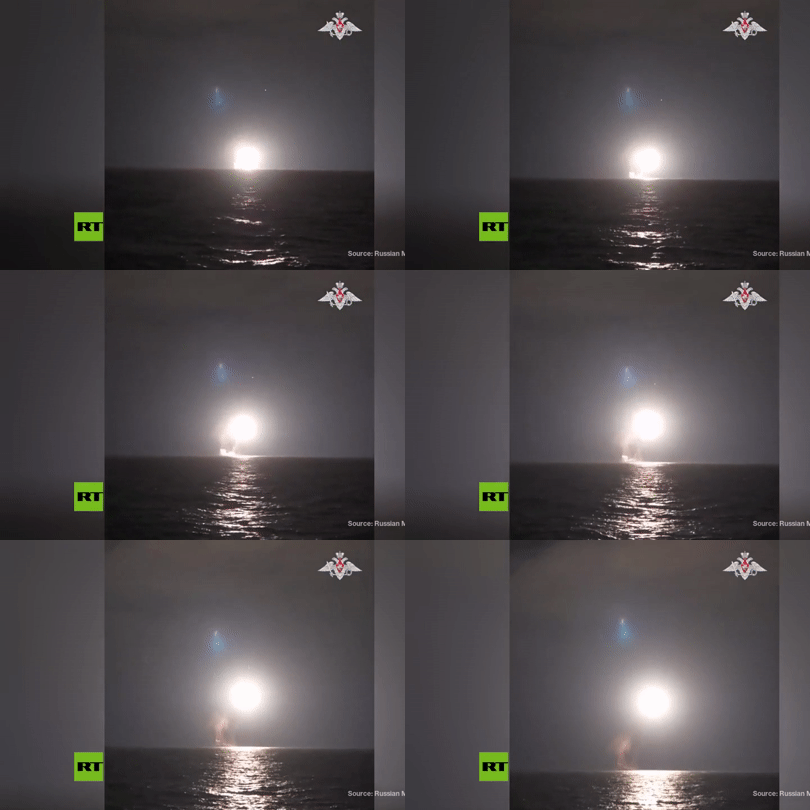
The Russian Ministry of Defense has officially announced the successful test firing of a submarine-launched intercontinental ballistic missile (SLBM) by one of its advanced nuclear-powered strategic submarines. The strategic missile, identified as the R-30 Bulava, was launched from a submerged position in the Sea of Okhotsk, located in the Russian Far East near the Kamchatka Peninsula, and successfully struck its designated target approximately 6,000 kilometers away at the Chizha test range on the Kanin Peninsula.
This high-profile military exercise underscores Moscow’s ongoing commitment to maintaining and modernizing its strategic nuclear triad amidst heightened geopolitical tensions with Western nations. The test forms part of routine, planned combat training operations designed to evaluate the operational readiness of Russia’s naval strategic nuclear forces, specifically focusing on the capabilities of its modern fourth-generation submarine fleet and associated weapons systems.
Chronology of the Strategic Missile Test
According to reports released by Russian state media and verified by the Ministry of Defense, the strategic missile carrier "Generalissimus Suvorov"—a Borei-A class nuclear-powered submarine—conducted the launch on October 28. Operating in the ice-free waters of the Sea of Okhotsk, the submarine’s crew executed a synchronized sequence of pre-launch maneuvers before unleashing the ballistic projectile from beneath the surface.
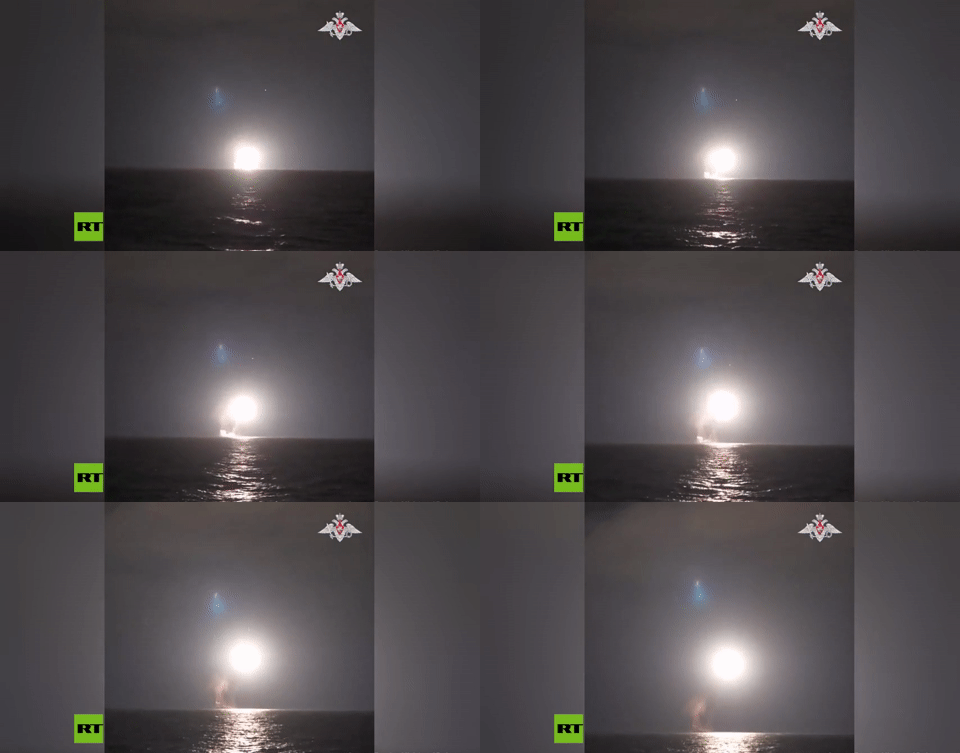
Telemetry data monitored by defense command centers confirmed that the Bulava missile’s multiple re-entry vehicles successfully traversed the sub-orbital trajectory, reaching the Chizha testing grounds in Arkhangelsk Oblast within the projected timeframe. The flight distance spanned between 5,500 and 6,000 kilometers, validating the weapon system’s precision, propulsion reliability, and guidance accuracy over intercontinental ranges.
Footage released by the Russian military showcased various phases of the operation. The video coverage featured initial shots of the nuclear submarine navigating the surface, followed by interior scenes of the crew managing command-and-control systems in the combat information center. A close-up sequence captured the precise moment the launch command was executed, immediately succeeded by dramatic night-time footage of the massive ballistic missile breaking through the water’s surface, igniting its rocket motors, and ascending into the upper atmosphere.
Technical Profile of the R-30 Bulava Missile
Known in Western military classification systems by the NATO reporting name SS-N-32, the R-30 Bulava represents the pinnacle of Russia’s sea-based strategic deterrence infrastructure. Developed by the Moscow Institute of Thermal Technology, the solid-fueled intercontinental ballistic missile officially entered active military service in May 2024 following an extensive and rigorous development cycle.
Weighing approximately 37 metric tons at launch, the Bulava is engineered to carry multiple independently targetable re-entry vehicles (MIRVs), allowing a single missile to engage separate strategic targets simultaneously. Defense analysts note that the weapon incorporates advanced technological solutions designed to defeat modern missile defense architectures. These features include a relatively short boost phase to minimize detection windows during the most vulnerable part of the flight trajectory, as well as maneuverable re-entry vehicles capable of executing evasive trajectories during terminal descent through the atmosphere.
The missile boasts a maximum operational range estimated at up to 9,300 kilometers, giving submarines operating in secure bastions like the Sea of Okhotsk or the Barents Sea the ability to project strategic deterrence globally while remaining under the protective umbrella of naval and air defense assets.
The Role of the Borei-A Class Submarine Fleet
The submarine utilized in the recent test, the Generalissimus Suvorov (Project 955A), is an advanced variant of the Borei-class nuclear-powered ballistic missile submarines (SSBNs). Constructed at the historic Sevmash shipbuilding enterprise in Severodvinsk, the vessel currently serves with the Russian Navy’s Pacific Fleet, operating primarily out of strategic naval facilities on the Kamchatka Peninsula.
The Borei-A class represents a significant generational leap forward compared to its Soviet-era predecessors, such as the Delta-class and Typhoon-class submarines. These modern platforms feature enhanced acoustic stealth characteristics, optimized hydrodynamic hulls, advanced electronic warfare suites, and modernized digital control systems. Each Borei-A submarine is designed to accommodate a full payload of up to 16 Bulava SLBMs, alongside standard torpedo armament for self-defense against hostile surface ships and submarine hunters.
The Russian Ministry of Defense views the Borei and Borei-A programs as the absolute cornerstone of its nuclear deterrence modernization initiative. Moscow currently maintains a fleet of eight operational submarines across these two classes and continues serial construction at Sevmash to further expand the naval component of its strategic triad in the coming decade.
Official Objectives and Military Implications
Russian military leadership emphasized that the October 28 test launch was conducted strictly within the framework of scheduled strategic deterrence exercises. The primary objective was to verify the technical reliability of the missile system, assess the proficiency of the naval crew in executing strategic missile launches, and confirm that all hardware and software components function cohesively under simulated combat conditions.
While routine in nature, such demonstrations carry broader geopolitical and strategic implications. By showcasing the seamless coordination between underwater platforms and intercontinental delivery systems, Moscow aims to project continuous military readiness to international observers. The demonstration highlights the survivability and responsiveness of Russia’s sea-based nuclear deterrent, which military planners consider the most resilient leg of the country’s strategic triad due to the inherent stealth and mobility of modern nuclear submarines.
The successful test also comes against the backdrop of an increasingly complex security environment, marked by ongoing tensions between Russia and Western nations over the conflict in Ukraine and broader European security architecture. Although Russian defense officials framed the exercise as a standard readiness check, Western defense analysts closely monitor such telemetry data to evaluate technological advancements in Russian strategic propulsion, guidance accuracy, and counter-measure capabilities.
As Russia continues its long-term rearmament and modernization initiatives, exercises involving advanced platforms like the Generalissimus Suvorov and the Bulava missile system will remain central to maintaining the nation’s nuclear posture and strategic parity on the global stage.