In a dramatic pivot to secure its economic autonomy, Canada has formally initiated a sweeping strategy to decouple its trade reliance from the United States, responding to a volatile escalation in bilateral trade tensions. As of September 8, the Canadian government has imposed retaliatory tariffs ranging from 15% to 50% on approximately $20 billion worth of American goods. This move marks a significant departure from decades of North American integration, signaling that Ottawa is prepared to endure short-term economic friction to achieve long-term market diversification.
The Catalyst: A Cycle of Retaliation
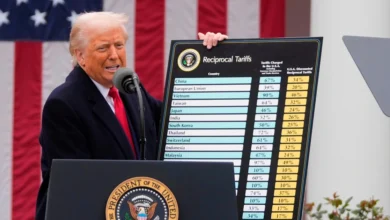
The current trade impasse reached a critical juncture on August 22, when the U.S. administration, led by President Donald Trump, implemented a 50% tariff on $20 billion worth of Canadian imports. Washington’s protectionist measures specifically targeted key sectors of the Canadian economy, including dairy products, motorcycles, and various beverage exports. Furthermore, the U.S. government announced a prohibition on Canadian products in specific long-term government procurement contracts, a move that Ottawa interpreted as a direct assault on its industrial stability.
This "tit-for-tat" escalation has strained the longstanding alliance between the two neighbors. The conflict is not merely about tariffs; it represents a fundamental clash over the future of the North American trade framework. With the USMCA (United States-Mexico-Canada Agreement) currently serving as the bedrock of regional trade, experts fear that the current political rhetoric may undermine the structural integrity of the entire agreement, which was designed to replace the North American Free Trade Agreement (NAFTA).
Strategic Diversification: Looking Toward Europe and Asia
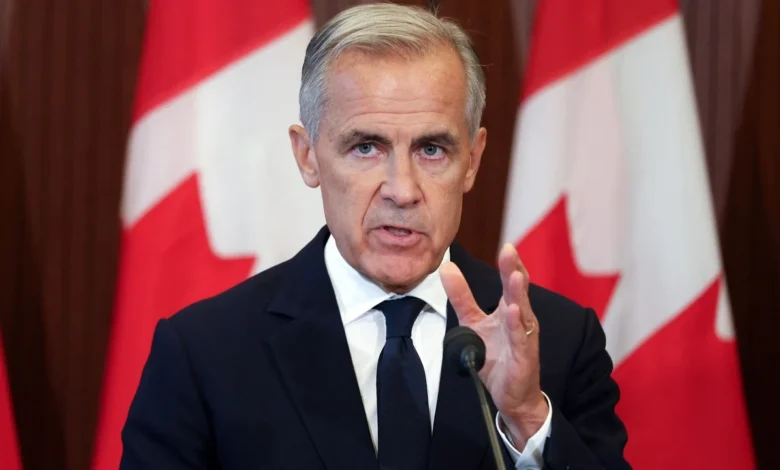
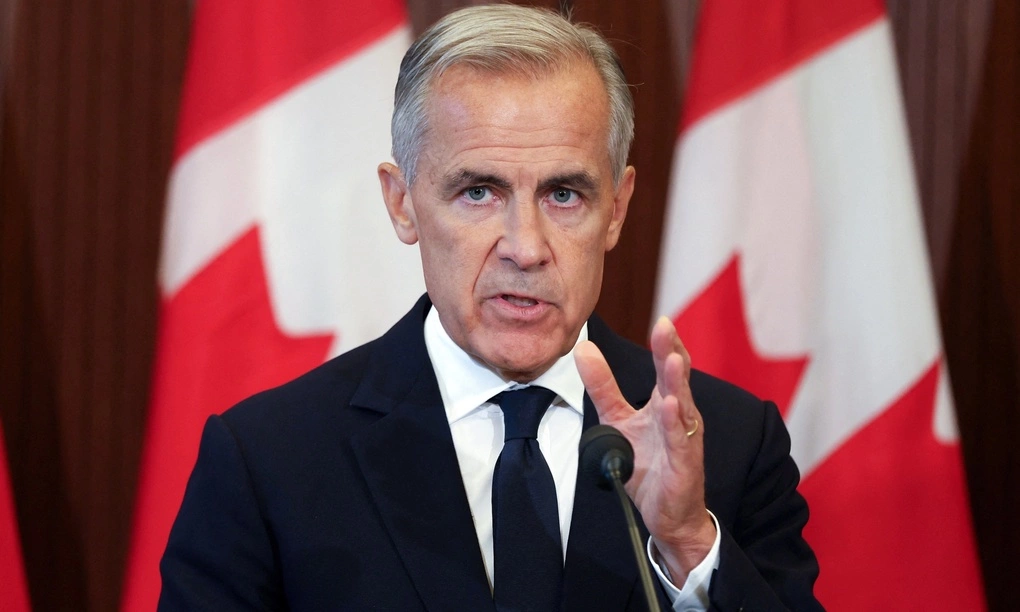
Prime Minister Mark Carney has framed this crisis as a "necessary catalyst" for Canada to finally break its over-reliance on the American market, which currently absorbs over 70% of Canadian exports. In a recent statement, Carney emphasized that while the transition carries a significant price tag, the cost of inaction—remaining vulnerable to the whims of U.S. domestic policy—is far higher.
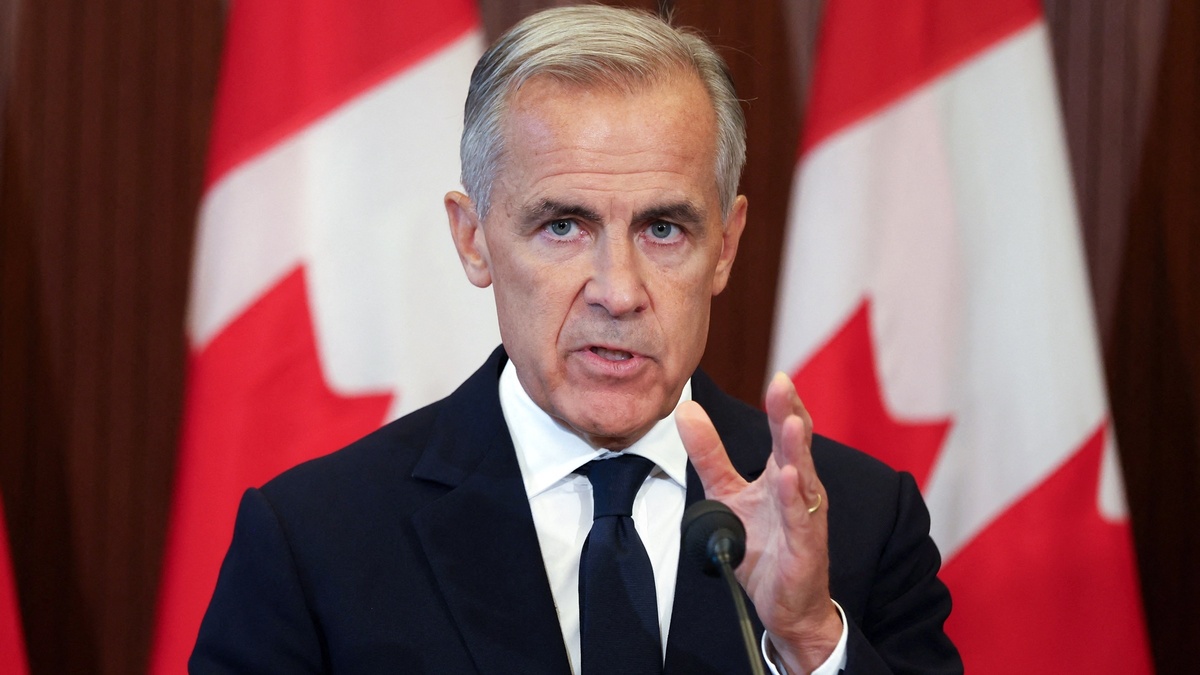
"With an economy that possesses resilient fundamentals and the strongest fiscal position in the G7, we have the necessary conditions to pivot and thrive," Carney noted during an address on September 8.
Ottawa is now accelerating a multi-pronged plan to expand export markets, attract foreign direct investment, and develop domestic infrastructure that allows Canadian businesses to bypass the U.S. market. The government has set an ambitious target to double exports to non-U.S. markets over the next decade.
The Pivot to Europe and the Indo-Pacific
Central to this strategy is a renewed focus on the European Union (EU) and the rapidly expanding economies of the Indo-Pacific region. Canada is currently exploring mechanisms to strengthen its existing trade agreements with the EU, aiming to transition from limited cooperation to a more comprehensive framework. Prime Minister Carney is scheduled to travel to Strasbourg, France, in mid-September to meet with European Commission President Ursula von der Leyen and address the European Parliament, a move intended to provide significant political and economic momentum for deeper trans-Atlantic ties.
Simultaneously, Ottawa is courting Japan, South Korea, and emerging markets in Southeast Asia. This expansion is coupled with a massive investment in port facilities and rail infrastructure, which is essential for routing Canadian goods toward international waters rather than exclusively south across the U.S. border.
Attracting Global Capital
To support this pivot, the Canadian government is actively seeking capital from non-U.S. sources. At recent investment summits, officials have held discussions with sovereign wealth funds from the Gulf region, European pension funds, and major international banking institutions. The primary objective is to secure funding for critical infrastructure projects, including port modernization, trans-continental rail improvements, and energy pipeline expansions.
The government views Canada’s vast natural resources—particularly in energy and critical minerals—as a primary lever for attracting new global partners. By securing the capital needed to extract and export these commodities, Canada hopes to establish itself as a reliable energy and resource provider for Europe and Asia, effectively diluting the influence of its southern neighbor.
Public Sentiment and Domestic Support
Despite the risks, the Canadian public appears largely supportive of this aggressive stance. According to a poll published by the Angus Reid Institute on September 8, 62% of respondents expressed satisfaction with Prime Minister Carney’s management of the trade dispute, an increase from 51% in August. Notably, 75% of those surveyed agreed that the Prime Minister was correct to withdraw from negotiations with Washington, viewing the move as a defense of national sovereignty.
Economic Realities and Industry Skepticism
While the political strategy is gaining traction, economic analysts warn of the profound challenges inherent in such a rapid shift. The reality of geographic distance, market size, and deeply integrated supply chains means that the U.S. remains an irreplaceable partner in the short term. Many Canadian industries, such as automotive manufacturing and aerospace, are tied to common supply chains where components and raw materials cross the border multiple times before a finished product is sold.
The Canadian Chamber of Commerce has urged the government to act with precision and caution. "Businesses understand that a response to protectionism is necessary, but they do not want to see a never-ending cycle of escalating tensions," said Candace Laing, Chief Executive of the Canadian Chamber of Commerce, in an interview with the BBC. Industry leaders argue that while diversifying is a sound long-term goal, the immediate priority should be the stabilization of existing supply chains to prevent mass layoffs and factory closures.
Implications for the Future of North American Trade
The conflict has created an environment of profound uncertainty for global markets. As Canada seeks to cultivate new trade relationships, the "ring-fencing" of the North American economy is becoming a reality. Experts from trade think tanks have suggested that the current escalation could lead to a permanent restructuring of how the three North American nations do business.
Michael Harvey, a member of the Prime Minister’s advisory committee on bilateral economic relations, acknowledged the complexity of the situation. "Our primary concern is the potential for a downward spiral of escalation," Harvey told Reuters. "However, we fully understand the Prime Minister’s position. We need to find the specific sectors where Canada can exert leverage, without causing collateral damage to our own industrial base."
Looking Ahead: A Long-Term Transition
The road to economic independence will be long and difficult. For Canada, the transition requires not only political will but a sustained commitment to infrastructure development and trade diplomacy. The coming months will likely be defined by a delicate balancing act: maintaining a firm stance against U.S. protectionism while ensuring that Canadian businesses have the stability needed to pivot toward new global horizons.
As Prime Minister Carney prepares for his upcoming European tour, the eyes of the international trade community remain fixed on Ottawa. Whether Canada can successfully navigate this geopolitical storm and emerge as a more diversified, independent economy remains the defining question of the decade for the nation. The success of this pivot will depend on the ability of the government to manage domestic industrial needs while simultaneously forging new, robust partnerships across the Atlantic and the Pacific.