The real estate market in Ho Chi Minh City (HCMC) has reached a critical juncture as the chasm between supply and affordability continues to widen. According to data from the Ho Chi Minh City Real Estate Association (HoREA) and market analysts, the residential sector is experiencing an unprecedented structural imbalance, characterized by an overwhelming dominance of luxury and high-end projects, while the entry-level segment—the bedrock of housing for the working class—has effectively vanished from the market.
For the first nine months of the year, luxury and high-end condominium projects accounted for approximately 73.6% of all new supply launched in the city. Mid-range developments comprised a mere 7.1%, while the affordable housing segment recorded zero new project launches. This trend has persisted throughout the third quarter, leaving many prospective homebuyers priced out of the urban center and forcing a migration toward satellite provinces.
The Anatomy of a Supply Imbalance
The current state of the market is not merely a reflection of developer preference but a consequence of a complex interplay between rising input costs, regulatory hurdles, and shifting financial landscapes. Data provided by CBRE Vietnam indicates that the average price of new condominiums in HCMC reached 75 million VND per square meter in July, excluding Value Added Tax (VAT) and maintenance fees. By industry standards, a "truly affordable" apartment in a city with HCMC’s cost of living should be priced below 35 million VND per square meter.
The divergence between the market price and consumer purchasing power is stark. DKRA Consulting reports that in the third quarter, while the lower end of the market hovered around 32.8 million VND per square meter, the upper spectrum surged to 520.3 million VND per square meter. This massive price gap has resulted in a sharp decline in market liquidity. During the third quarter, while 13,215 units were introduced to the market, only 3,471 were successfully absorbed—a 26% absorption rate, representing a 66% drop compared to the second quarter.
Historical Context and Regulatory Hurdles
The roots of this crisis lie in years of accumulated administrative bottlenecks. As of September, HCMC authorities identified 1,338 projects mired in legal complications, with a total investment value exceeding 658 trillion VND. These delays have forced developers to pivot their business models.
Rising land acquisition costs, combined with the expensive and time-consuming process of site clearance and project permitting, have created a floor price for new developments that prevents the construction of low-cost housing. To ensure profit margins are maintained amidst these soaring costs, developers have shifted their product focus toward the high-end segment, where the premiums can absorb the increased overhead.
Geographic Shifts and Emerging Alternatives
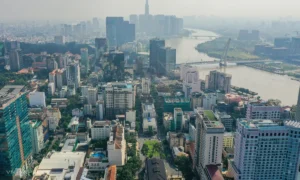
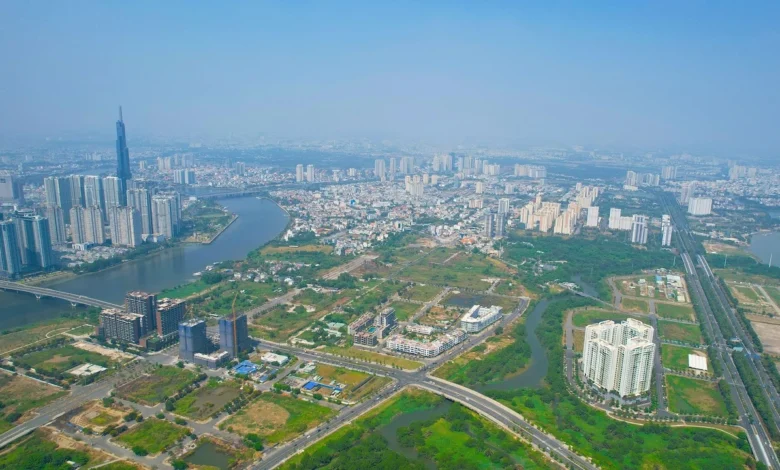
As the urban core becomes increasingly unaffordable, the geography of residential demand is undergoing a fundamental transformation. With the central districts and the Thu Thiem New Urban Area commanding prices between 7,000 and 15,000 USD (roughly 182–390 million VND) per square meter, buyers are increasingly looking toward satellite regions.
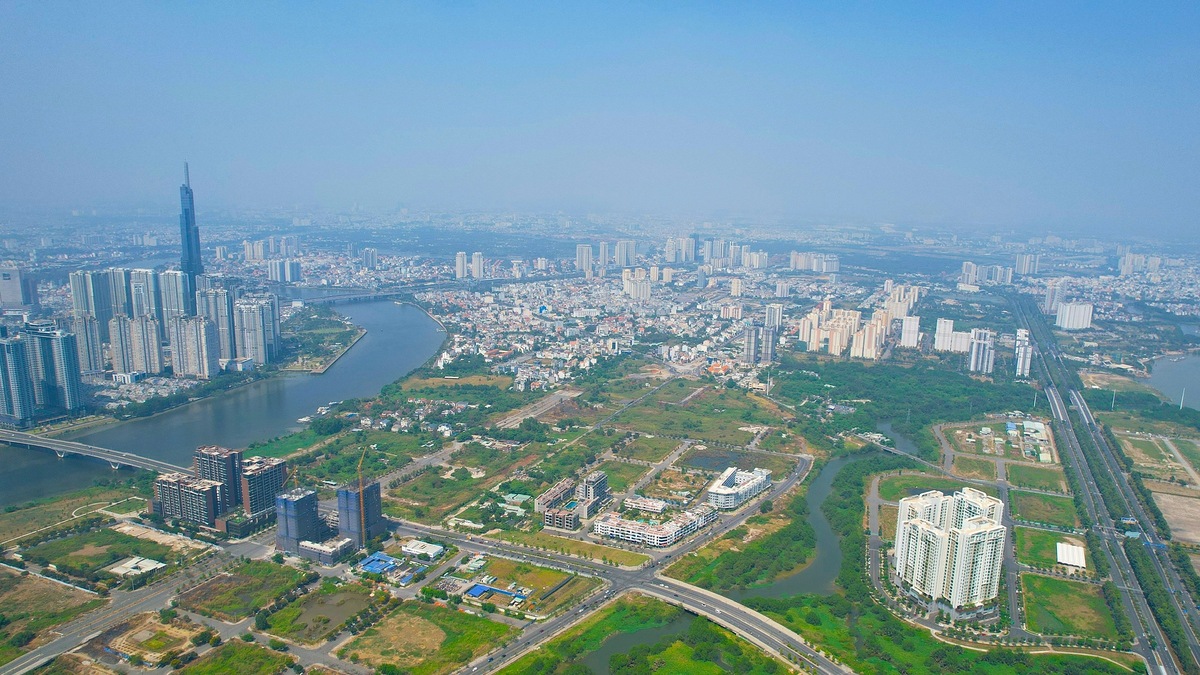
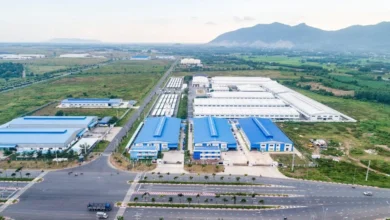
The East and South districts of HCMC still see activity in the 3,800 to 5,500 USD per square meter range. However, even the traditionally more affordable West has seen the introduction of luxury projects priced between 4,500 and 4,800 USD per square meter. Consequently, search interest for residential property in Binh Duong has surged, rising from 9% in the first quarter of 2024 to 30% by the third quarter. Binh Duong and Ba Ria-Vung Tau are now absorbing a significant portion of the demand from laborers and middle-income families, with prices ranging from 1,800 to 4,500 USD per square meter.
Official Responses and Strategic Adjustments
In response to the growing housing crisis, the municipal government is intensifying efforts to streamline legal procedures and accelerate the development of social housing. As of late 2026, the city has cleared hurdles for 723 stalled projects, representing 54% of the total number of projects needing intervention.
The city has set ambitious targets, with 13 social housing projects comprising 9,402 units expected to be completed by 2026. Looking toward the 2026–2030 period, the city aims to deliver 181,257 social housing units, with construction on an additional 6 projects scheduled to commence in the fourth quarter.
Economic Analysis: The Need for Structural Reform
Dr. Huynh Phuoc Nghia, a leading economist, emphasizes that the market’s reliance on high-end supply is creating a dangerous economic distortion. According to Dr. Nghia, the market requires three fundamental shifts to return to equilibrium:
- Land Allocation for Social Housing: Authorities must enforce the reservation of land banks for social housing and rental properties within new urban developments. The prevailing mindset of selling land must shift toward long-term leasing models that make housing financially accessible to the average citizen.
- Credit Risk Categorization: Banking institutions must refine their credit risk models. Capital should be redirected away from speculative luxury projects and prioritized for mid-range and affordable segments that address genuine housing needs. Lower interest rates should be utilized as a tool to stimulate development in these segments.
- Efficiency in Development: Developers must prioritize cost-optimization strategies to lower the final price of housing. Concurrently, the state must accelerate the resolution of legal bottlenecks for pending projects to ensure that available resources are utilized efficiently, rather than being tied up in stagnant developments.
Implications for Future Market Stability
The current stagnation in market liquidity is a warning sign of a potential cooling period. HoREA Chairman Le Hoang Chau has noted that the decline in purchasing power has led to an accumulation of unsold inventory, which in turn traps developer capital and slows down the entire real estate ecosystem.
Many developers are now forced to implement indirect price-reduction policies, such as extended payment schedules and interest rate subsidies, to attract buyers. However, these are merely short-term palliatives. Unless the fundamental supply-side issues are addressed—specifically the lack of affordable units and the excessive regulatory burden—the market will likely continue to experience high volatility.
The broader implication of this trend is the risk of social stratification in urban development. If the city continues to produce only luxury units, the labor force—the backbone of the city’s economy—will be forced further away from their workplaces, leading to increased pressure on infrastructure, longer commute times, and reduced productivity.
As the government moves into the final quarter of the year, the focus remains on balancing the need for sustainable economic growth with the urgent social necessity of housing. The success of the current efforts to clear legal bottlenecks and incentivize social housing will determine whether HCMC can maintain its status as a competitive, inclusive urban hub or whether it will become a city accessible only to the affluent. The transition toward a more balanced, multi-tiered market is no longer a policy preference; it is an economic necessity.