
The pervasive medical misconception that absolute bed rest is the optimal treatment for chronic joint pain and musculoskeletal degradation is fueling a silent epidemic of physical decline. While millions of patients—from office workers to the elderly—habitually choose to immobilize themselves during painful flare-ups, medical experts are now sounding the alarm: inactivity is not a cure; it is a catalyst for physiological decay.
The Anatomy of a Misconception
For many, the initial response to back pain or joint inflammation is to retreat. Take the case of Trang, a 46-year-old office worker in Hanoi. After a grueling period of standing for long hours during a professional engagement, she developed persistent back pain. Her immediate instinct, shared by many, was to "lay low." By limiting her movement, avoiding physical strain, and relying on over-the-counter analgesics, she hoped to expedite recovery.
However, the reality proved counterintuitive. Her symptoms would vanish briefly only to return with greater intensity after extended periods of inactivity. The cycle of pain led to a decrease in physical activity, which in turn caused her muscles to atrophy, making even simple tasks like lifting a grocery bag an ordeal. Trang’s experience is a textbook example of the "inactivity trap," where the fear of exacerbating pain leads to a sedentary lifestyle that worsens the underlying musculoskeletal condition.
Clinical Data and the Reality of Aging
The statistics surrounding musculoskeletal health in Vietnam are concerning. Data from the Vietnam Rheumatology Association indicates that approximately 60% of individuals over the age of 65 and 85% of those over the age of 80 suffer from osteoarthritis. This condition, characterized by the thinning of cartilage between joints, causes bones to rub against one another, resulting in severe pain and stiffness.
When pain strikes, the natural human reflex is often to protect the affected area through immobilization. However, Dr. Ngo Quang Hai, former Deputy Director of the Training and Referral Center at the National Hospital of Traditional Medicine, emphasizes that this approach is fundamentally flawed. "When you suffer from joint pain, complete immobilization will not heal the body," Dr. Hai asserts. "It actively wears the body down."
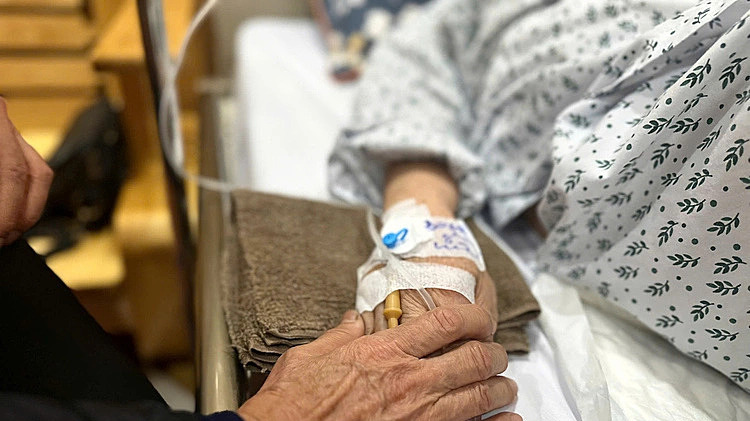
The implications of this extend far beyond localized joint pain. Modern medical research identifies two major risks often overlooked by patients: malnutrition and sarcopenia—the age-related loss of muscle mass and strength. Muscle tissue is not merely a tool for movement; it is a metabolic engine. It regulates blood glucose, supports immune function, and plays a critical role in energy metabolism. When patients remain bedridden, they lose this metabolic support, leading to systemic health deterioration.
The Chronology of Decline
The trajectory of a patient who falls into the "bed rest trap" typically follows a predictable timeline:
- Acute Phase: Initial injury or flare-up of chronic pain occurs.
- Behavioral Shift: The patient chooses to stop exercising or walking to "protect" the joint.
- Atrophy Phase: Within a few weeks of restricted movement, muscles begin to weaken (atrophy). Balance and stability decrease significantly.
- Functional Impairment: Simple activities—rising from a chair, climbing stairs, or walking short distances—become difficult. The fear of falling (kinesiophobia) begins to dominate the patient’s daily life.
- Systemic Complications: The patient becomes increasingly dependent on others, leading to mental health decline, metabolic issues, and an increased risk of chronic disease.
Consider the case of Mr. Tuyen, 67, who suffered from chronic knee pain. Initially, he ceased his morning walks and spent most of his time lying down. Within months, his mobility had plummeted. He became unable to rise from a chair without assistance and required a handrail to navigate stairs. His fear of falling—a common secondary consequence of muscle loss—eventually confined him to his home, forcing him to rely on his grandchildren for basic tasks he had previously managed with ease.
Expert Analysis: The Role of Targeted Movement
Dr. Calvin Q. Trinh, Director of the Center for Functional Rehabilitation and HMR, provides a scientific explanation for why immobilization is detrimental. When a joint is not moved, the surrounding muscles atrophy, the joint itself stiffens, and the body’s center of gravity becomes compromised. This creates a dangerous feedback loop where the patient loses the very strength required to support the damaged joint.
"Even for patients who cannot exercise on their own, physical therapy exercises performed under the guidance of medical professionals are essential," Dr. Trinh notes. He stresses that the objective should not be to "rest" the pain, but to identify the specific nature of the condition and choose a movement protocol that is tailored to the patient’s capacity.
Furthermore, imbalances in muscle groups often contribute to chronic pain. If a patient habitually leans to one side or avoids using a specific limb due to pain, the overactive muscles compensate, while the underutilized muscles weaken. This asymmetry exacerbates the stress on the joint, creating new areas of pain. Professional rehabilitation therapists prioritize exercises that restore balance across muscle groups, rather than simply treating the symptom of pain.

Broader Implications and Public Health
The trend of self-medication and avoiding activity is not limited to the elderly. Dr. Hai observes a growing number of office workers in their 30s and 40s presenting with chronic neck and shoulder pain. These individuals, burdened by long hours of sitting and minimal movement, frequently resort to massage services or pain relievers. While these methods provide temporary relief, they fail to address the root cause: physical weakness and poor posture.
The medical consensus is clear: the path to recovery lies in structured, appropriate movement. For those with knee osteoarthritis or spinal issues, high-impact activities should be avoided, but they must be replaced by low-impact, sustainable alternatives such as walking, water-based exercises, or supervised physical therapy.
Recommendations for Long-term Joint Health
To maintain musculoskeletal integrity as one ages, experts recommend the following:
- Establish Consistent Habits Early: Do not wait until the onset of old age to begin physical activity. Building muscle and bone density in one’s 40s and 50s provides a "reserve" for later years.
- Avoid Extreme Weather: For the elderly, avoid exercising during periods of extreme cold, which can exacerbate joint inflammation.
- Prioritize Functional Training: Focus on exercises that improve balance and core strength. High-risk activities like jumping or contact sports are generally discouraged for those with pre-existing joint damage, as they accelerate wear and tear.
- Seek Professional Guidance: Avoid the "do-it-yourself" approach to pain management. A physiotherapist can design a program that addresses specific muscle imbalances and protects compromised joints while promoting overall mobility.
The shift in perspective is critical. Movement is not the enemy of a painful joint; it is the fuel for its longevity. By abandoning the outdated notion of "resting away" the pain, patients can reclaim their independence and mitigate the systemic risks associated with a sedentary lifestyle. The goal of medical intervention must be to empower the patient to move, not to encourage them to remain still.